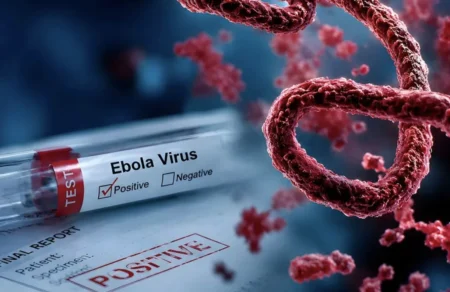


NAIROBI, Kenya — The United States has announced an additional Ksh2.59 billion (US$20 million) in funding to strengthen Ebola preparedness in Kenya and three other East African countries, pushing its total direct contribution to the regional response to more than Ksh28.4 billion (US$220 million).
In a statement on Wednesday, June 10, the U.S. State Department said the new funding will support Kenya, Burundi, Rwanda, and South Sudan as governments scale up surveillance and containment measures amid heightened regional concern over potential cross-border transmission.
The announcement comes as health authorities across East Africa intensify emergency readiness systems following Ebola outbreaks in the region, including improved coordination at border points and heightened screening protocols.
According to the State Department, the latest allocation will be channelled into strengthening national emergency operations centres, improving disease surveillance systems, expanding laboratory testing capacity, and enhancing infection prevention and control in health facilities.
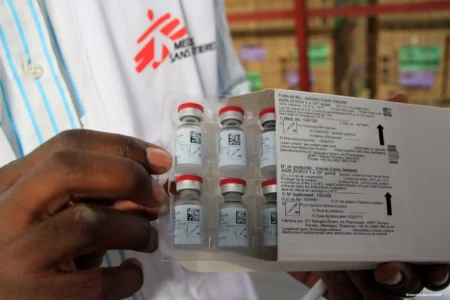
The funding will also support border screening mechanisms, procurement of essential medical supplies, and preparedness for rapid isolation and treatment of suspected Ebola cases.
“The United States continues to be the largest financial contributor to the Ebola response,” the department said, adding that the support is being coordinated alongside the U.S. Centers for Disease Control and Prevention (CDC), regional governments, and international health partners.
With the latest tranche, U.S. direct funding for Ebola preparedness and response in the region now exceeds Ksh28.4 billion (US$220 million).
According to Washington, implementing partners have used the funding to support contact tracing, screening at points of entry, health facility response efforts, and public awareness campaigns aimed at countering misinformation about the disease.
The State Department said these interventions are critical in preventing cross-border spread, particularly in densely connected trade and travel corridors across East Africa.
The latest announcement follows a recent allocation of Ksh6.7 billion (US$50 million) by the U.S. administration to support the establishment of up to 50 Ebola response clinics across the region.
The expanded funding signals a shift toward decentralised outbreak readiness, with an emphasis on rapid detection and localised treatment capacity.
On the same day, Washington also commended Kenya for its cooperation in regional Ebola preparedness efforts, even as debate continues over the construction of a proposed Ebola quarantine facility in Laikipia County.
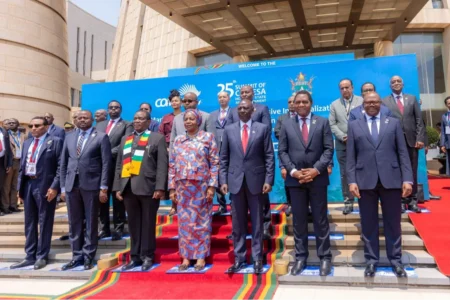
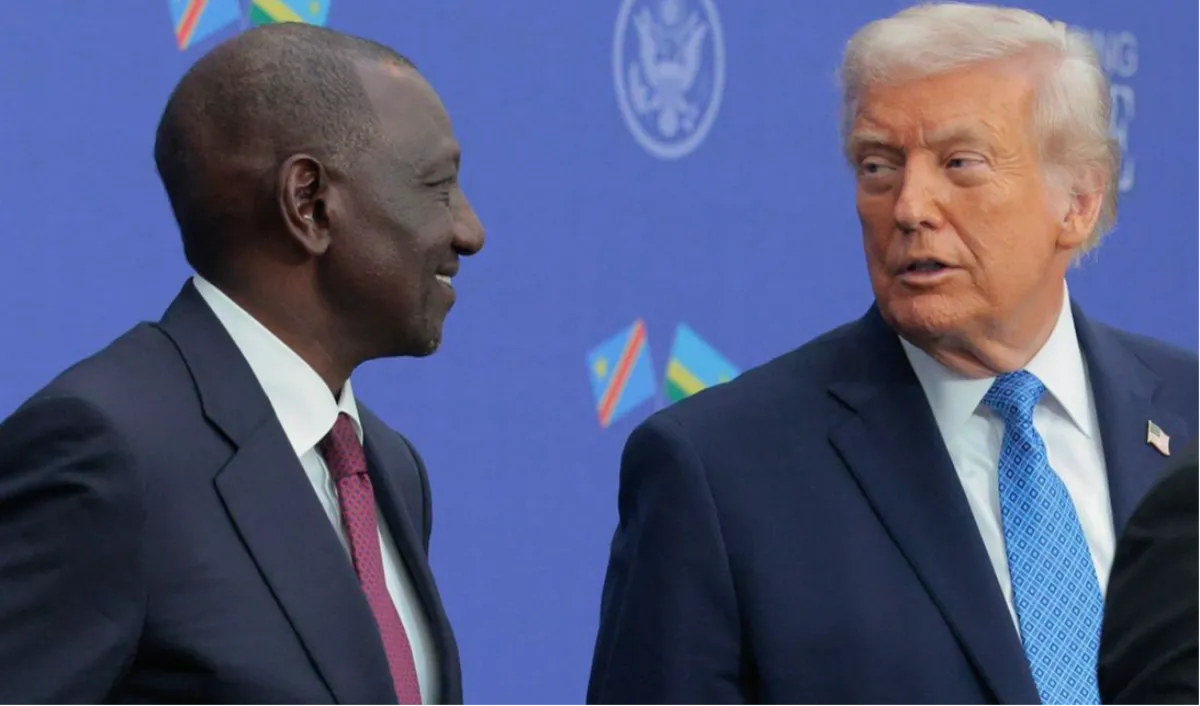
The recognition followed talks in Oslo, Norway, on June 9 between President William Ruto and U.S. Senior Advisor for Arab and African Affairs Massad Boulos.
In the discussions, the U.S. praised Kenya’s role in regional health security coordination and reaffirmed joint commitments to controlling the spread of the disease.
Also Read: Kenya signs Ksh207 billion health partnership deal with US
“We discussed U.S.-Kenyan cooperation to respond to Ebola, and I thanked President Ruto for his steadfast partnership. Both of our nations have vital roles to play in fighting this outbreak and protecting our populations,” Boulos said.
However, the cooperation has also faced domestic resistance. In Laikipia County, protests over the planned Ebola quarantine facility in Nanyuki turned violent earlier in the week, leaving one person dead and more than 50 arrested.
Authorities have maintained that the facility is part of broader preparedness measures, while critics argue it raises concerns about safety, transparency, and the handling of high-risk infectious diseases.
As funding increases and preparedness efforts expand, governments in the region face mounting pressure to balance public health security with public confidence in emergency response measures.