




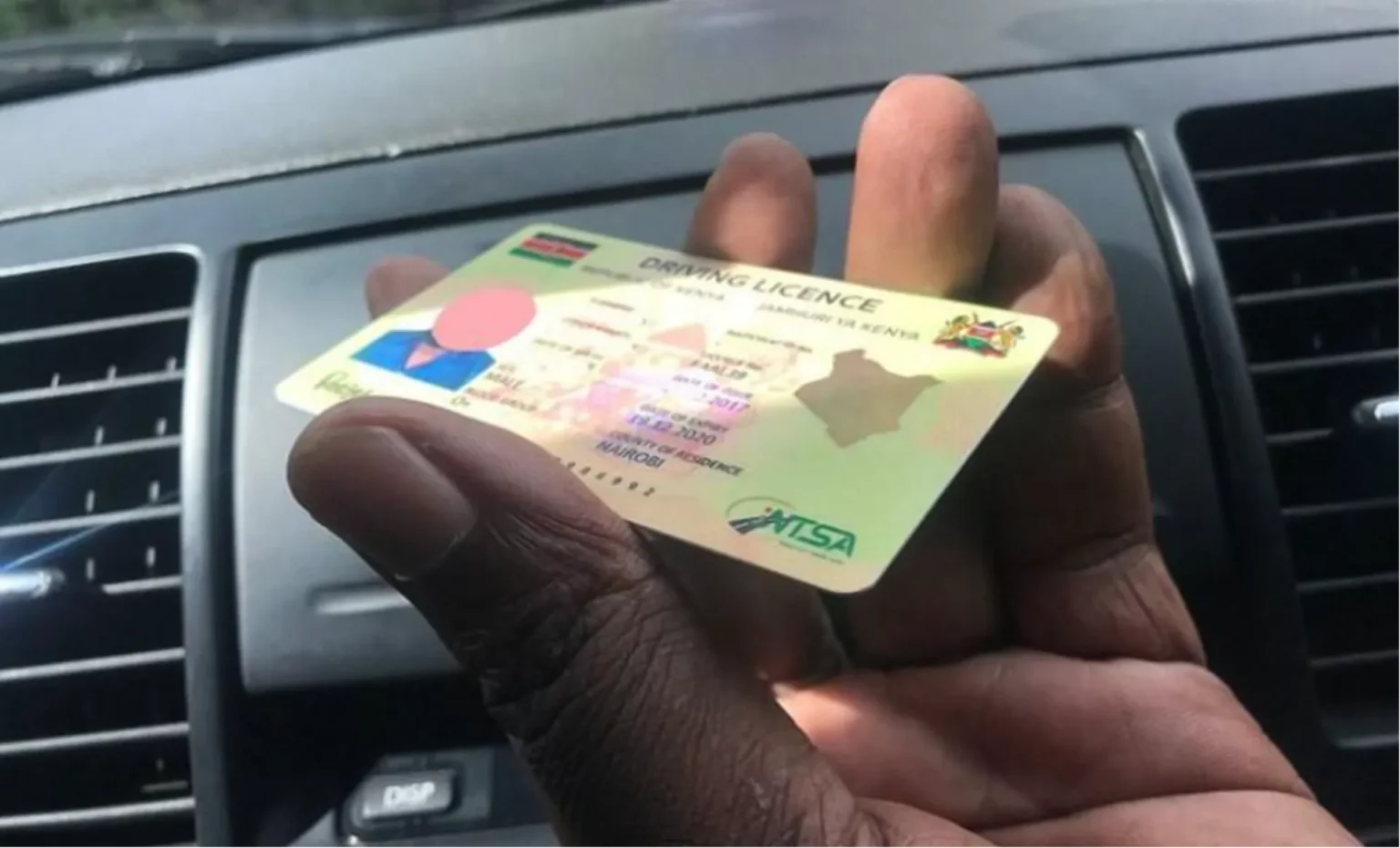
KERUGOYA, Kenya — The High Court in Kerugoya has temporarily suspended the implementation of the National Transport and Safety Authority’s (NTSA) second-generation smart driving licence programme and the associated automated traffic fines system, pending the hearing and determination of a constitutional petition.
Justice Dennis Kizito issued conservatory orders halting the 21-year Public-Private Partnership (PPP) agreement between NTSA and Pesa Print Limited consortium, following a petition filed by the Road Safety Association of Kenya.
In the ruling, the court stated that the implementation of the PPP arrangement—covering smart driving licences, automated traffic fines, and related services—shall remain suspended until the case is fully heard and determined.
The matter was certified as urgent in a directive dated May 29, 2026, with the court ordering respondents to file their responses within 10 days. The case is scheduled for mention on June 21, 2026.
The suspended project was set to introduce a new generation of smart driving licences, alongside a nationwide automated traffic enforcement system intended to digitise road safety compliance and streamline fine collection.
Under the proposed arrangement, motorists were expected to pay Ksh3,050 for the new smart driving licences. The Pesa Print consortium was contracted to handle card design and production, while a local commercial bank would oversee enrolment and registration processes.
A central feature of the project was the planned deployment of 1,000 smart traffic surveillance cameras—comprising 700 fixed units and 300 mobile systems—across major highways and urban road networks. The system was designed to support automated detection of traffic violations and real-time issuance of fines.
The system also included provisions for instant penalties linked directly to motorists’ driving licence profiles, with offenders receiving electronic notifications and SMS alerts once violations were recorded.
However, the Road Safety Association of Kenya moved to court seeking to block the rollout, arguing that the procurement process was flawed and that the contract had been directly awarded despite earlier concerns raised by the Office of the Auditor General.
In its petition, the association further alleged that the project was advanced without adequate public participation or meaningful consultation with key stakeholders in the transport sector, including drivers, PSV operators, and road safety groups.
Also Read: NTSA’s new traffic fines regime sparks debate among Kenyan motorists
The petition also raised questions over governance compliance, arguing that the NTSA Board had not properly authorised the multi-billion shilling agreement before implementation.
The court order effectively pauses one of Kenya’s most ambitious attempts to digitise traffic enforcement, a project that had been positioned as a major step toward reducing road accidents, improving compliance, and modernising transport regulation.
The case now shifts to the hearing stage, where the legality, procurement process, and constitutional compliance of the PPP arrangement will be examined in detail.