



NAIROBI, Kenya — The Ministry of Health has classified 25 counties as either “very high risk” or “high risk” as Kenya intensifies preparedness measures against the Ebola virus disease outbreak reported in neighbouring Uganda and the Democratic Republic of Congo (DRC).
Public Health and Professional Standards Principal Secretary Mary Muthoni said the government has heightened surveillance despite Kenya recording no confirmed cases so far, with screening ongoing at all 26 official points of entry.
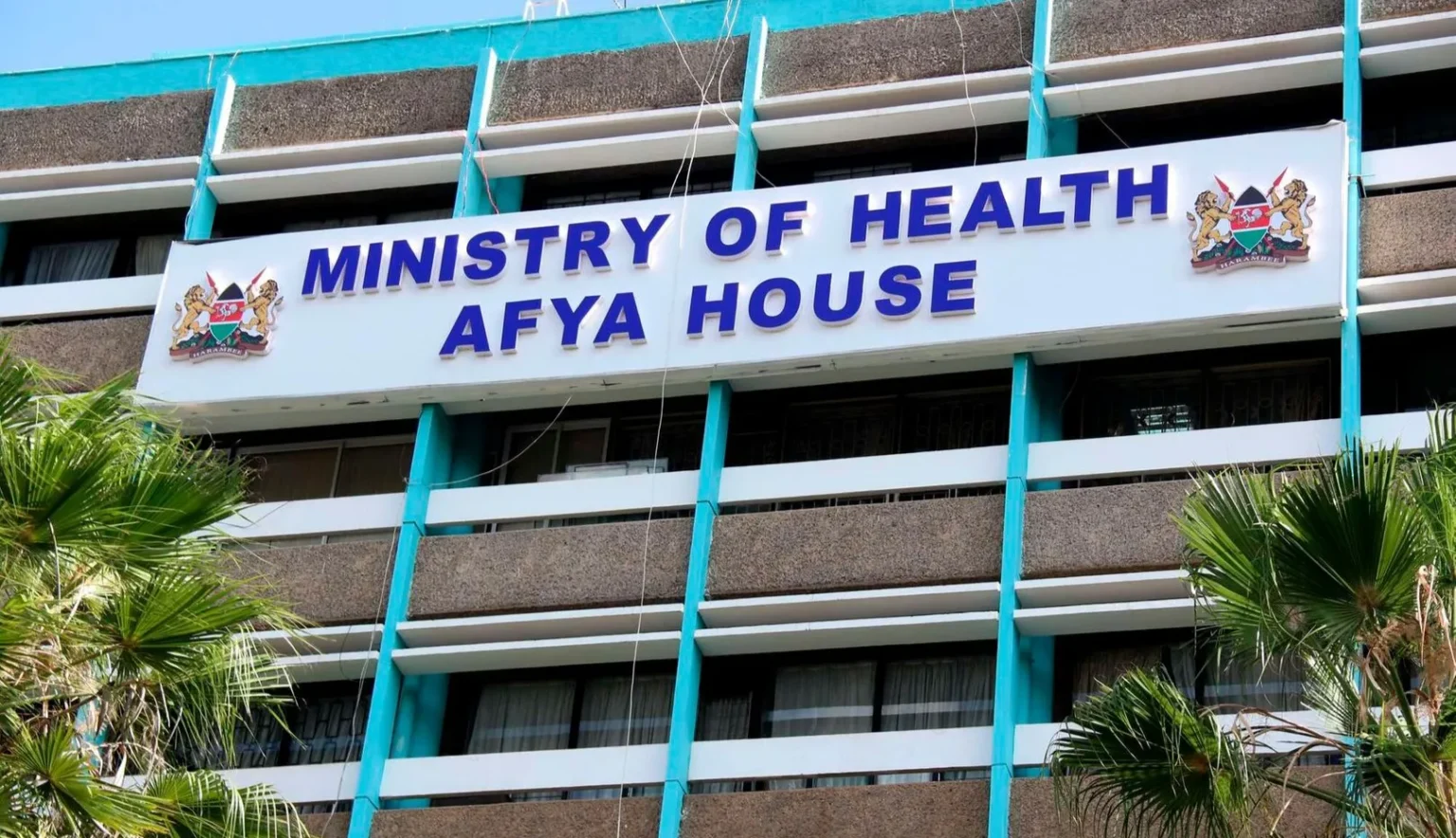
Speaking during a briefing at Afya House on Tuesday, Muthoni said the government has also placed 10 neighbouring countries under enhanced monitoring as part of broader regional containment efforts.
According to the Ministry’s risk classification, counties designated as “very high risk” include Nairobi, Mombasa, Uasin Gishu, Busia, Kisumu, Bungoma, Trans Nzoia, Siaya, West Pokot, Turkana, Homa Bay and Migori.
The Ministry said most of these counties were categorised as high-risk due to their proximity to international borders and major transit corridors linking Kenya to Uganda, South Sudan and Tanzania.
Counties classified as “high risk” include Vihiga, Kakamega, Nakuru, Kericho, Nandi, Kiambu, Machakos, Kilifi, Makueni, Taita Taveta, Isiolo, Elgeyo Marakwet and Garissa.
Officials say the classification is intended to guide resource allocation, surveillance intensity and rapid response readiness in the event of any suspected case.
The Ministry said surveillance has been significantly scaled up at airports, seaports and land border crossings, with health teams conducting continuous screening of incoming travellers.
According to the latest figures, 13,548 travellers were screened within a 24-hour period, bringing the cumulative total to approximately 67,000 screened individuals.
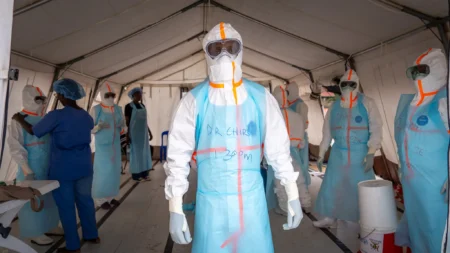
More than 1,000 health workers have reportedly been trained and deployed to support early detection and response efforts, while emergency operation centres have been activated across 26 counties.
Authorities are also considering additional containment measures, including mandatory quarantine for travellers arriving from high-risk countries for a period of up to 21 days.
PS Muthoni said the government is strengthening cross-border surveillance systems and contact tracing mechanisms to reduce the likelihood of importation of cases.
Kenyans have meanwhile been advised to avoid non-essential travel to affected countries while regional outbreaks remain active.
The government is also introducing stricter entry requirements, including exit screening documentation from travellers’ countries of origin and enhanced verification at points of entry.
Travellers may also be required to present detailed health screening reports, which could be shared with airlines and cross-border transport operators as part of traceability measures.
Health authorities say the strategy is aimed at strengthening early detection and preventing undetected transmission through porous regional travel routes.
According to the Africa Centres for Disease Control and Prevention, the DRC has reported more than 1,000 suspected Ebola cases since the outbreak was declared on May 15, with nearly 250 deaths.
Also Read: Can Africa stop Ebola before it becomes another global crisis?
Neighbouring Uganda has also confirmed infections, including at least one fatality, raising concern over sustained cross-border transmission in the region.
President William Ruto has maintained that Kenya is adequately prepared to detect and manage any Ebola case, citing existing isolation and treatment infrastructure across the country.
However, the government’s preparedness strategy has attracted public debate following its agreement with the United States to host a temporary Ebola quarantine facility at Laikipia Air Base in Nanyuki, a move that has triggered political and legal scrutiny.
Court proceedings challenging the arrangement are ongoing as public concern over regional Ebola preparedness continues to grow.