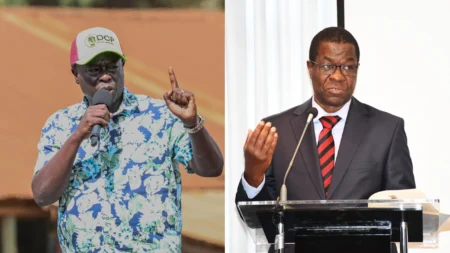


NAIROBI, Kenya — Kennedy Kaunda, Chief Executive Officer of the East Africa Tour Guides and Drivers Association (EATGDA), has rejected allegations that he was influenced or financially rewarded following his role in negotiations that led to the suspension of a nationwide transport strike over rising fuel prices.
Kaunda, whose phrase “with all due respect” during a government press briefing went viral online, addressed the controversy during a television interview on Tuesday, May 19, 2026.
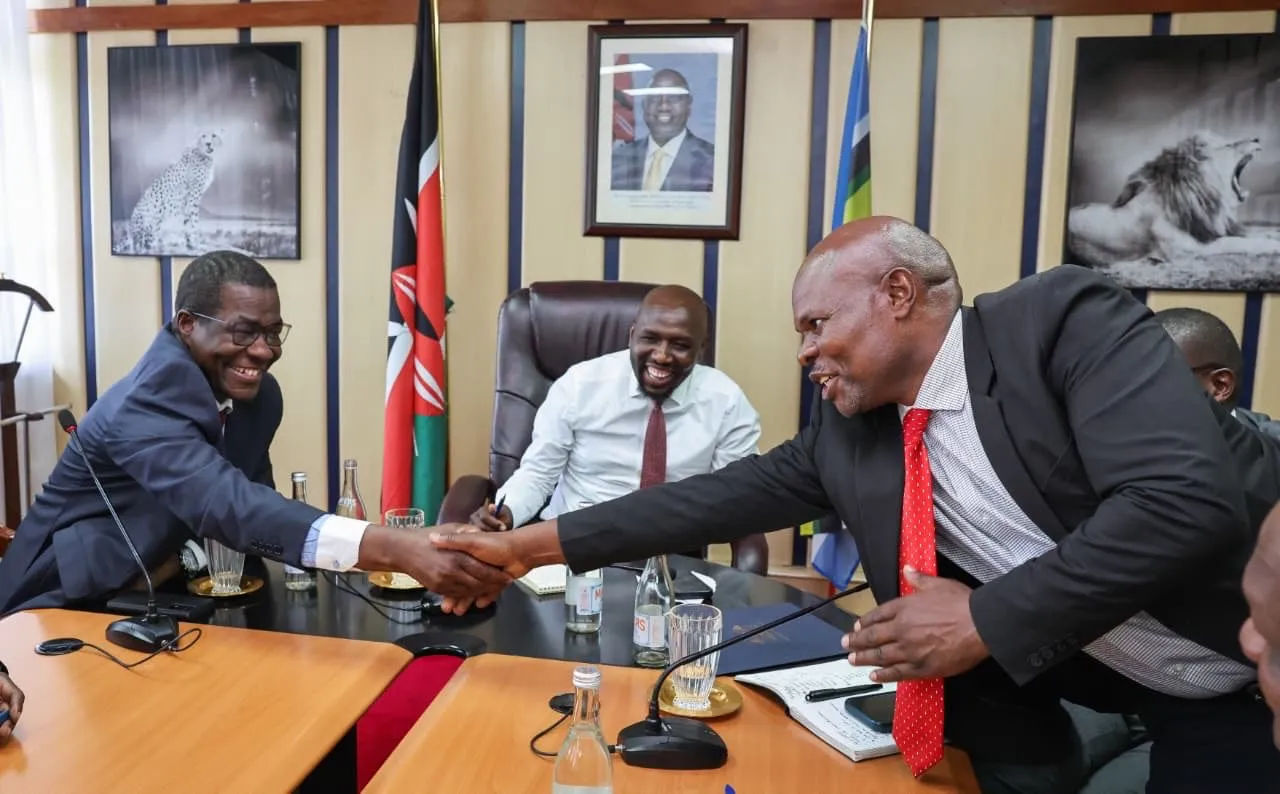
Kaunda first drew national attention during a high-level stakeholder briefing involving transport operators and government officials led by Energy and Petroleum Cabinet Secretary Opiyo Wandayi.
The meeting was convened to address the ongoing fuel price crisis that had triggered widespread disruption in public transport.
During the session, Kaunda interjected firmly:
With all due respect, we respect everyone here; we did not come to set anybody up. We are law-abiding citizens. So there’s no deal. The strike is still on.”
Kennedy Kaunda said.
The remarks shifted the tone of the briefing, with officials remaining largely silent as discussions continued.
A day later, Transport Cabinet Secretary Kipchumba Murkomen announced the suspension of the strike to allow further dialogue between government and transport stakeholders.
Kaunda later clarified that the suspension was not a final resolution, but a temporary step to facilitate negotiations.
“Since we have suspended the strike and given room for negotiation, and if we are not able to agree, we will come back for the same,” he said.
Following his appearance during the announcement of the strike suspension, sections of public debate on social media questioned whether Kaunda had been compromised or financially influenced to support the decision.
He strongly denied the claims.
“I was not paid. I was not paid, and I will still stand, with all due respect,” he said.
Kaunda insisted that his involvement in the talks was driven by the broader interests of transport operators affected by rising fuel costs.
Kaunda described the current situation in the transport sector as a worsening crisis, driven by elevated fuel prices and increasing operational costs.
Also Read: Fuel price protests paralyses Kenya’s public transport, businesses
He said the industry is struggling to balance economic survival with service delivery, warning that continued pressure could further disrupt mobility and livelihoods.
“We are living in very unfortunate times. We are managing a crisis in a crisis. Where we want a working nation, not a walking nation,” he said.
He added that transport stakeholders entered discussions seeking concrete solutions to rising fuel costs and their impact on fares and operations.
While no final agreement has been reached, he said dialogue remains ongoing and expressed cautious optimism that further talks could yield a more sustainable outcome.
The suspension of the strike has restored partial stability in Kenya’s transport sector, but underlying tensions over fuel pricing remain unresolved.
As negotiations continue, stakeholders face mounting pressure to balance affordability for commuters with economic survival for operators, leaving the broader fuel debate firmly in the national spotlight.