



NAIROBI, Kenya — A nationwide transport strike in Kenya has disrupted movement and business activity, as operators protest against recent increases in fuel prices.
Key roads in the capital, Nairobi, remained largely deserted, with many commuters forced to walk to work while schools in some areas advised students to stay at home.
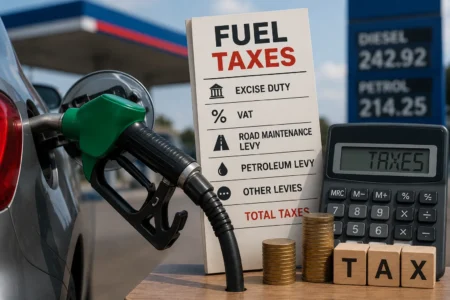
The strike follows a sharp rise in petroleum prices announced by the Energy and Petroleum Regulatory Authority (EPRA), pushing fuel costs to record levels and intensifying pressure on transport operators and businesses.
Public transport vehicles, including matatus and long-distance trucks, were largely absent from major roads, paralysing mobility across urban centres.
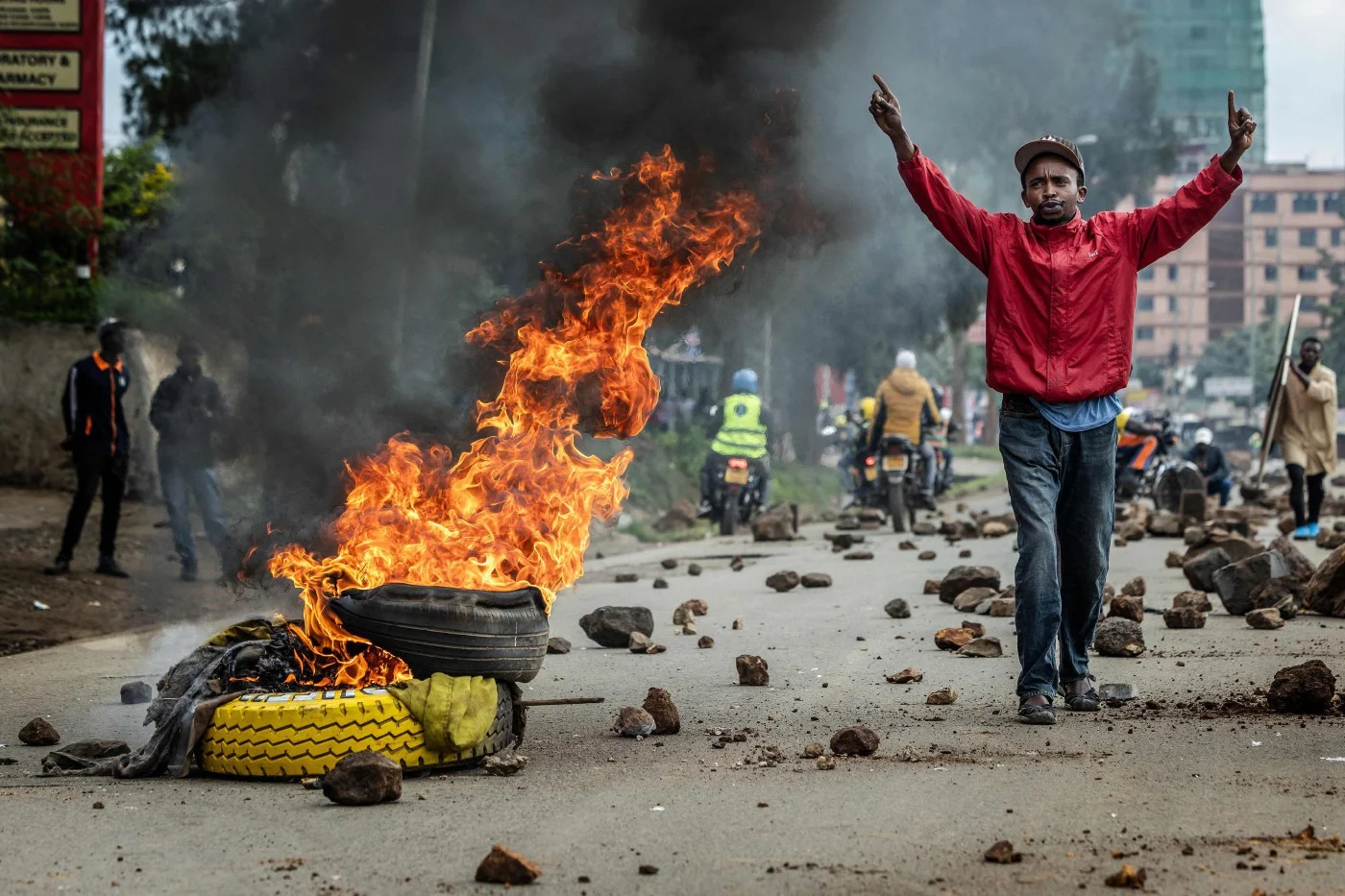
In several locations, protesters barricaded roads and lit fires, further disrupting traffic flow. Businesses in parts of Nairobi remained closed as the strike’s impact spread beyond the transport sector.
Similar disruptions were reported in other parts of the country, highlighting the nationwide scale of the action.
Police clashed with protesters in parts of Nairobi and other urban centres, deploying tear gas to disperse crowds amid reports of demonstrators stopping vehicles and confronting motorists.
Authorities had earlier warned against disruptive conduct, stating that security measures would be enforced to maintain order during the strike.
The Transport Sector Alliance, which represents operators across the sector, described the strike as a collective action extending beyond transport workers.
“This action is not only for transport operators, but for every Kenyan citizen,” the alliance said in a statement.
The group has accused the government of failing to cushion citizens from rising fuel costs and has called for a reversal of the latest price increases, alongside a reduction in pump prices by approximately 35%.
Treasury Cabinet Secretary John Mbadi acknowledged the economic strain caused by rising fuel prices but criticised the strike.
He described the increase as “unfortunate” while maintaining that government decisions must be based on economic realities.
“Why are we trying to solve a global problem using domestic means?” he said, arguing that international market dynamics remain the primary driver of fuel costs.
Kenya’s fuel pricing remains closely tied to global supply chains, with the country relying heavily on imports from the Gulf region.
Recent geopolitical tensions, including disruptions linked to conflict involving Iran and Israel, have affected global oil flows, particularly through the Strait of Hormuz, one of the world’s most critical energy transit routes.
Although a ceasefire has been reported, uncertainty around supply routes continues to influence international oil prices, with knock-on effects for import-dependent economies such as Kenya.
The rise in fuel prices is already affecting the broader economy.
Transport operators have increased fares, while businesses face higher logistics costs, contributing to rising prices of food and essential goods.
The government recently reduced VAT on fuel from 16% to 8% as a temporary relief measure, but critics argue that additional interventions may be necessary to stabilise prices.
The strike has added momentum to an ongoing national debate over Kenya’s energy policy, taxation structure, and long-term reliance on imported fuel.
It has also revived attention on the country’s delayed oil development in Turkana, which has yet to translate into domestic supply despite years of exploration.
Also Read: Kenya fuel crisis deepens as pressure mounts on Ruto over rising prices
According to our reporter on the ground, the protests reflect a convergence of economic pressure and policy expectations.
“The transport strike shows how quickly fuel pricing moves from an economic issue to a national political concern,” he notes. “It raises broader questions about taxation, supply strategy, and the pace of energy sector reforms.”
As the strike continues, the government faces growing pressure to balance fiscal policy, global market realities, and domestic expectations.
For many Kenyans, however, the immediate concern remains access to affordable transport and the rising cost of daily living.
The situation continues to evolve, with further developments likely to shape both economic conditions and the national policy debate in the coming weeks.