



NAIROBI, Kenya — Across East Africa, governments are tightening tax regimes and cutting spending as public debt levels climb, placing growing pressure on households already grappling with high living costs.
From Kenya to Uganda and Tanzania, policymakers are increasingly walking a delicate line between stabilising national finances and managing public frustration over rising taxes and economic hardship.
In Kenya, recent fiscal policy debates have been dominated by efforts to increase domestic revenue collection, with the government seeking to reduce reliance on external borrowing while maintaining ambitious infrastructure and social spending programmes.
President William Ruto’s administration has repeatedly argued that higher tax compliance is necessary to sustain economic independence and fund development priorities. But critics say the burden is disproportionately falling on ordinary citizens and small businesses.
The situation reflects a broader regional pattern.
Uganda, too, has intensified revenue mobilisation efforts in recent years, expanding its tax base and strengthening enforcement through digital systems. Tanzania has similarly pursued reforms aimed at improving tax collection efficiency while managing debt obligations.
Yet the underlying issue remains the same: rising public debt.
According to regional financial assessments, several East African economies have seen debt-to-GDP ratios increase significantly over the past decade, driven by infrastructure financing, pandemic-related spending, and currency pressures that have made external debt more expensive to service.
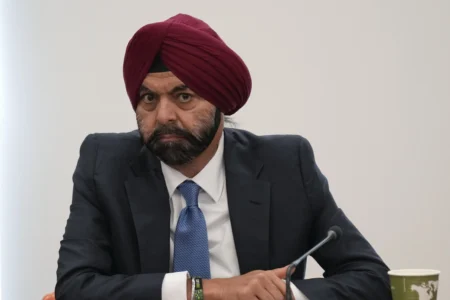
As a result, governments are shifting toward domestic resource mobilisation — a policy approach strongly encouraged by institutions such as the International Monetary Fund and the World Bank.
But this shift carries political and social risks.
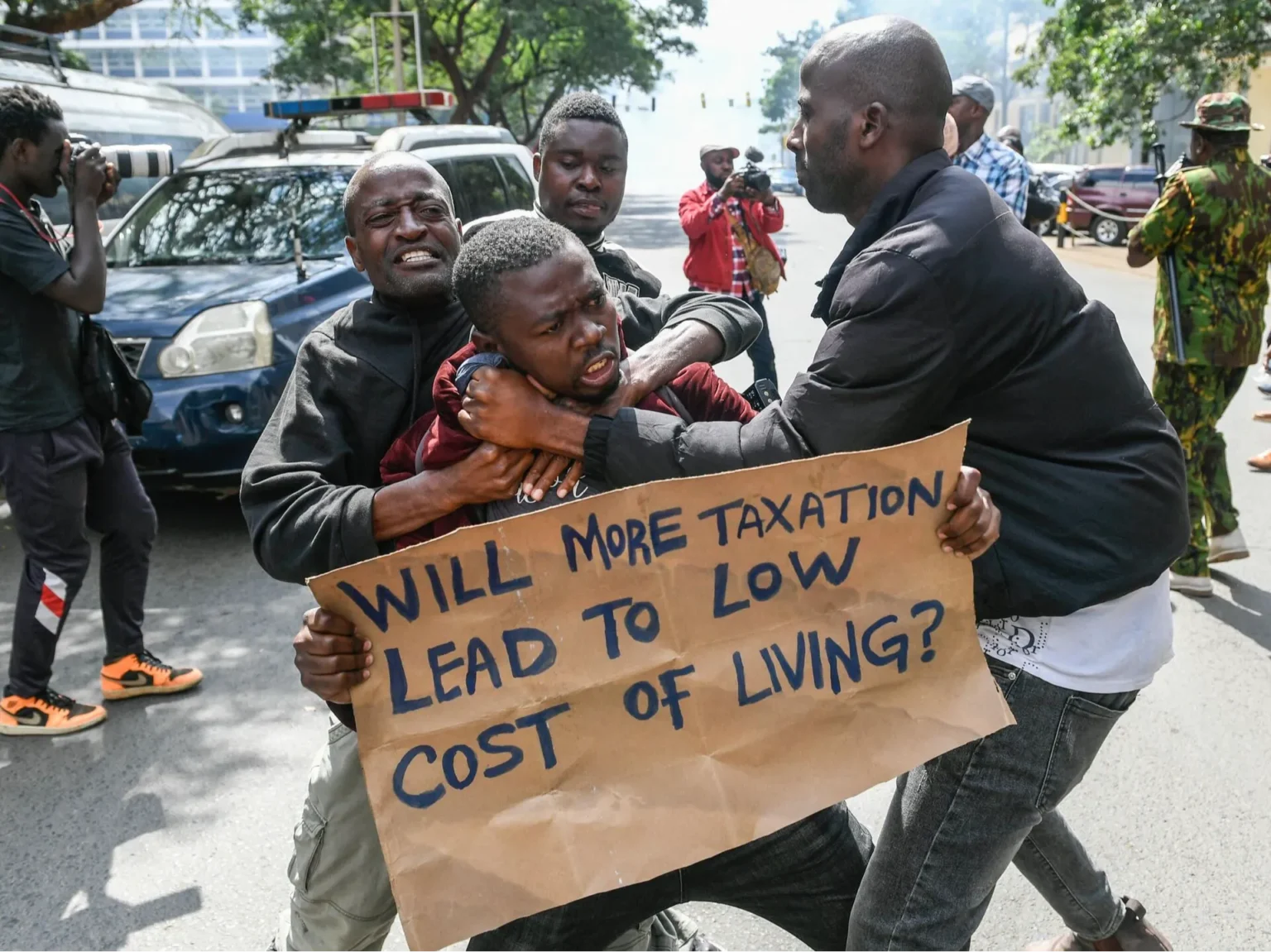
In Kenya, public protests and online campaigns have highlighted growing resistance to new taxes, particularly among young people and urban workers who feel squeezed by stagnant incomes and rising prices of essential goods.
The tension is not just economic — it is generational.
A large portion of East Africa’s population is under the age of 35, many of whom are either unemployed or working in the informal sector. For this demographic, increased taxation often feels disconnected from tangible improvements in public services.
Economists warn that without visible returns — such as better healthcare, education, and infrastructure — public trust in fiscal reforms could erode further.
At the same time, governments argue that failing to act would create even greater risks.
Debt servicing costs are consuming a growing share of national budgets, limiting the ability of states to invest in development programmes. In some cases, countries are spending more on debt repayment than on critical sectors such as health or education.
This fiscal squeeze is also affecting currency stability.
As external debt obligations rise, pressure on foreign exchange reserves increases, contributing to currency depreciation — a trend that has been observed across several African economies in recent years.
The result is a feedback loop: weaker currencies make debt servicing more expensive, which in turn necessitates higher taxes or spending cuts.
Also Read: Kenya opens public participation on controversial Finance Bill 2026 amid tax uproar
Despite these challenges, there are signs of strategic recalibration.
Some governments are exploring alternative financing models, including public-private partnerships, diaspora bonds, and regional trade expansion under the African Continental Free Trade Area (AfCFTA).
Others are investing in digital tax systems to improve efficiency and reduce leakage, aiming to increase revenue without necessarily raising tax rates further.
Still, analysts say the success of these measures will depend on governance, transparency, and the ability of governments to demonstrate that public funds are being used effectively.
For many citizens, the issue is no longer whether taxes should be paid — but whether the system is fair.
As East Africa navigates this period of economic adjustment, the balance between fiscal discipline and social stability is likely to define the region’s political and economic trajectory in the years ahead.