

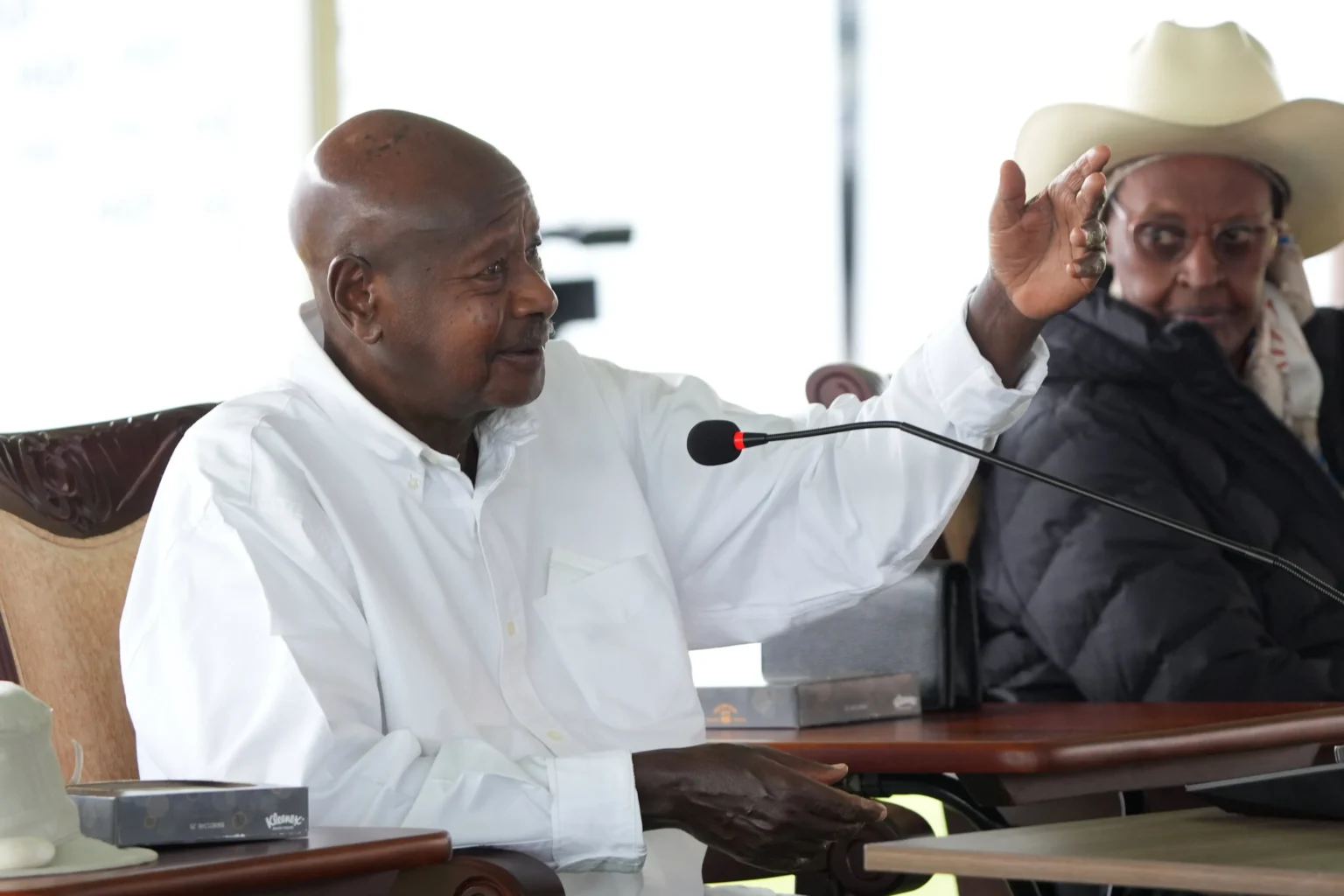
KAMPALA, Uganda — President Yoweri Museveni has sparked debate after downplaying concerns over rising fuel prices, saying motorists who cannot afford fuel should “stay at home” while urging governments to focus on reducing the cost of aviation fuel.
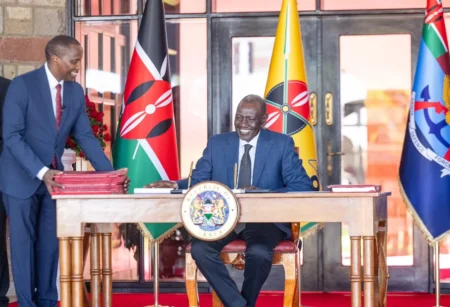
Speaking at the Africa We Build Summit 2026, Museveni said his recent discussions with William Ruto centred on stabilising jet fuel prices, which he described as critical to tourism and exports.
“I would not have bothered President Ruto so much for fuel, especially people who are driving on the road. If the fuel is expensive, stay at home, where are you going,” he said.
“I’m not worried about you. What I was worried about is jet fuel, because jet fuel is not only for travel, it is also for tourism. If the cost of jet fuel is high, tourists will not come. It is also for export because aircraft are used for export. People who are going to nightclubs and other things, I don’t care so much about them. If you don’t have the money, stay at home. Where are you going?”
Museveni’s remarks signal a clear policy prioritisation, placing strategic sectors such as aviation, tourism and trade above consumer fuel costs.
He argued that jet fuel plays a central role in sustaining regional economies, particularly in attracting international visitors and facilitating high-value exports such as perishables.
“That is why I engaged President Ruto, so that the governments of Kenya and Uganda can have a common voice on the pipeline, mainly because of jet fuel,” he said.
The comments come as East African governments explore closer coordination on fuel logistics, including pipeline management and bulk procurement, to stabilise supply chains amid global volatility.
Museveni’s stance contrasts with growing public concern across the region, where rising fuel prices have become a key driver of inflation, pushing up transport and food costs.
Globally, oil markets remain sensitive to geopolitical tensions, particularly in the Middle East, with price fluctuations feeding directly into import-dependent economies such as those in East Africa.
Uganda, like many of its neighbours, relies heavily on imported petroleum products, making domestic prices vulnerable to external shocks.
Fuel prices across East Africa currently show significant variation, reflecting differences in taxation, logistics and currency dynamics.
Kenya remains the most expensive market in the region, with petrol retailing at about KSh206.97 per litre and diesel at KSh206.84.
In Rwanda, petrol prices average KSh203.17 per litre, while diesel stands at KSh194.52.
Also Read: Uganda passes new fuel tax as excise duty hike raises cost-of-living concerns
Tanzania and Uganda offer comparatively lower prices, with Tanzania recording petrol at KSh189.81 and diesel at KSh189.11, while Uganda’s petrol stands at KSh184.55 and diesel at KSh174.10.
The lowest prices in the region are recorded in Ethiopia, where petrol costs around KSh109.36 per litre and diesel KSh115.70—nearly half of Kenya’s rates.
Analysts note that while prioritising jet fuel could support key sectors such as tourism and exports, high pump prices risk deepening economic strain for households and small businesses.
Museveni’s remarks are therefore likely to resonate differently across constituencies—appealing to macroeconomic planners while drawing criticism from consumers grappling with rising living costs.
The debate underscores a broader policy dilemma facing governments across Africa: how to balance fiscal priorities and economic competitiveness with mounting public pressure over affordability.