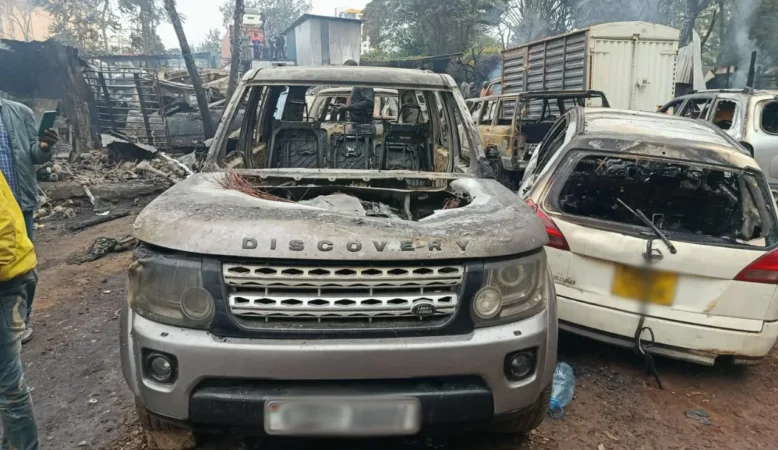


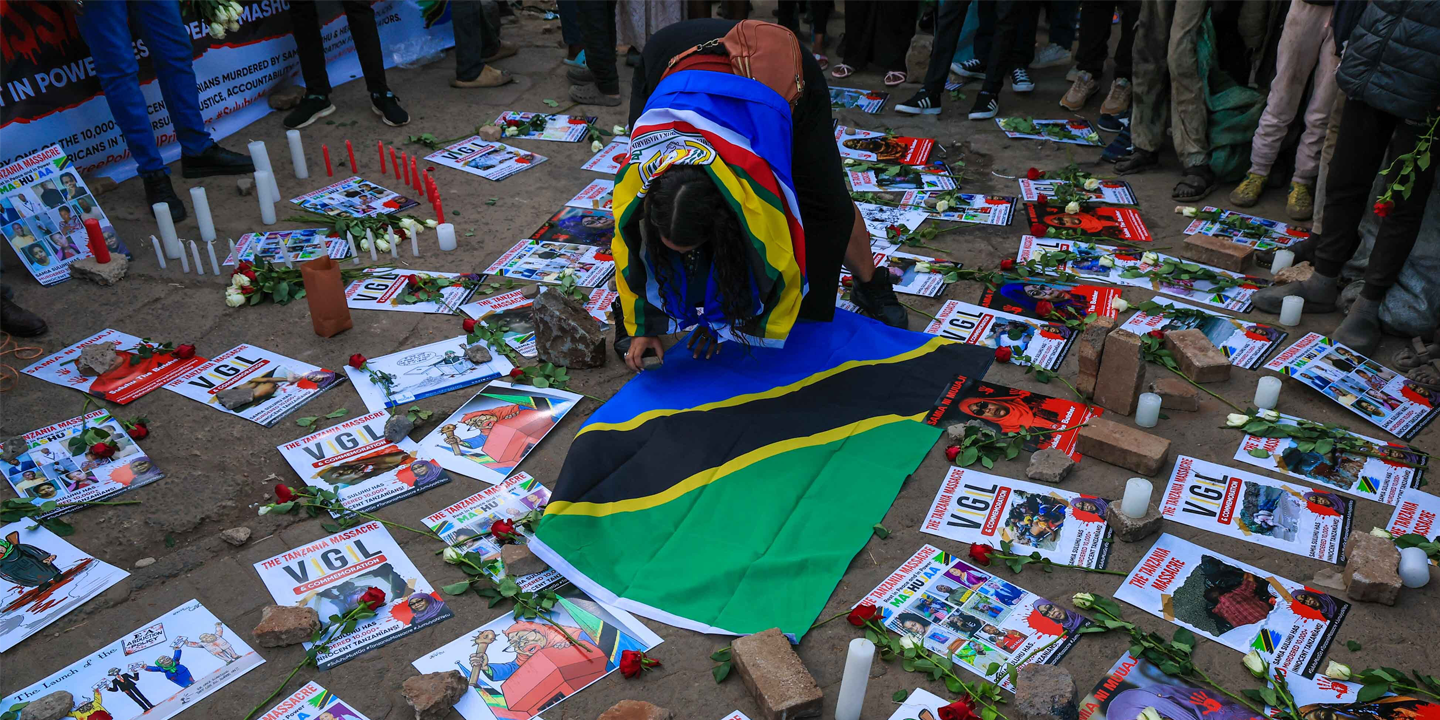
DAR ES SALAAM, Tanzania — A total of 518 people died in Tanzania from “unnatural causes” in the aftermath of widespread protests following last year’s general election, according to findings released by a government-appointed commission of inquiry.
Commission chairman Mohamed Chande Othman said the report establishes the scale of the violence but stops short of assigning responsibility, instead recommending further investigations.
The protests erupted after President Samia Suluhu Hassan was declared the winner of the 29 October poll with 98% of the vote, a result opposition groups described as a “mockery” of democracy.
Opposition parties and human rights organisations have long accused security forces of carrying out a heavy-handed crackdown on demonstrators. At the time, however, the government maintained the election was credible and blamed external actors for fuelling unrest.
International observers, including the African Union and Southern African Development Community, raised concerns over the transparency of the electoral process.
According to the report, of the 518 deaths recorded:
- 490 were men
- 21 were children
- 16 were security personnel
More than 2,000 people were injured, including at least 120 members of the security forces.
Dar es Salaam recorded the highest number of fatalities at 182, followed by Mwanza with 90 deaths.
Othman warned the true toll could be higher, noting that some victims were buried without official documentation.
Despite widespread allegations, the commission said claims of mass graves “could not be substantiated,” adding that some circulating images may have been manipulated using artificial intelligence.
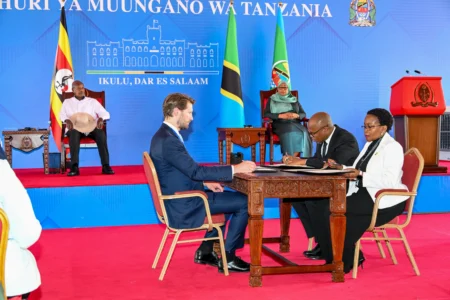
Receiving the report, President Samia said the violence “shook our nation” and pledged that lessons would be learned.
She defended the role of security agencies, arguing they prevented the country from descending into instability.
“We have learnt. The commission has told us that all the violence was planned coordinated, financed and executed by people who were trained and given equipment for committing crimes,” she said.
She added that those responsible aimed “to create a leadership vacuum” and make the country “ungovernable”.
However, the main opposition party, Chadema, dismissed the findings as a “cover up”, accusing authorities of attempting to “whitewash the regime’s crimes”.
Critics had earlier questioned the independence of the nine-member commission, noting it was appointed by the president whose government is under scrutiny.
The scale of the unrest marked a significant departure for Tanzania, long regarded as one of East Africa’s most politically stable nations since independence in the 1960s.
Also Read: UK, Canada and 14 European nations demand inquiry into Tanzania’s post-election violence
The protests, initially concentrated in Dar es Salaam, quickly spread nationwide and were largely driven by younger citizens frustrated by economic hardship, unemployment, and a political system perceived as dominated by a single party.
Key opposition figures were barred from contesting the election, including Tundu Lissu, who remains in detention on treason charges he denies.
The commission outlined several measures, including:
- Establishing a criminal inquiry to determine accountability
- Providing free medical care and psychosocial support to victims
- Declaring a national day of mourning
- Drafting a new constitution by 2028 ahead of the next election
- Creating a reconciliation framework to address political divisions
Analysts say the report’s failure to assign responsibility may prolong tensions, particularly as calls grow for institutional reforms and greater political inclusivity.