


NAIROBI, Kenya — President William Ruto has announced a decisive policy shift that will see Kenya halt the export of raw minerals, in a move aimed at boosting local value addition and strengthening the country’s industrial base.
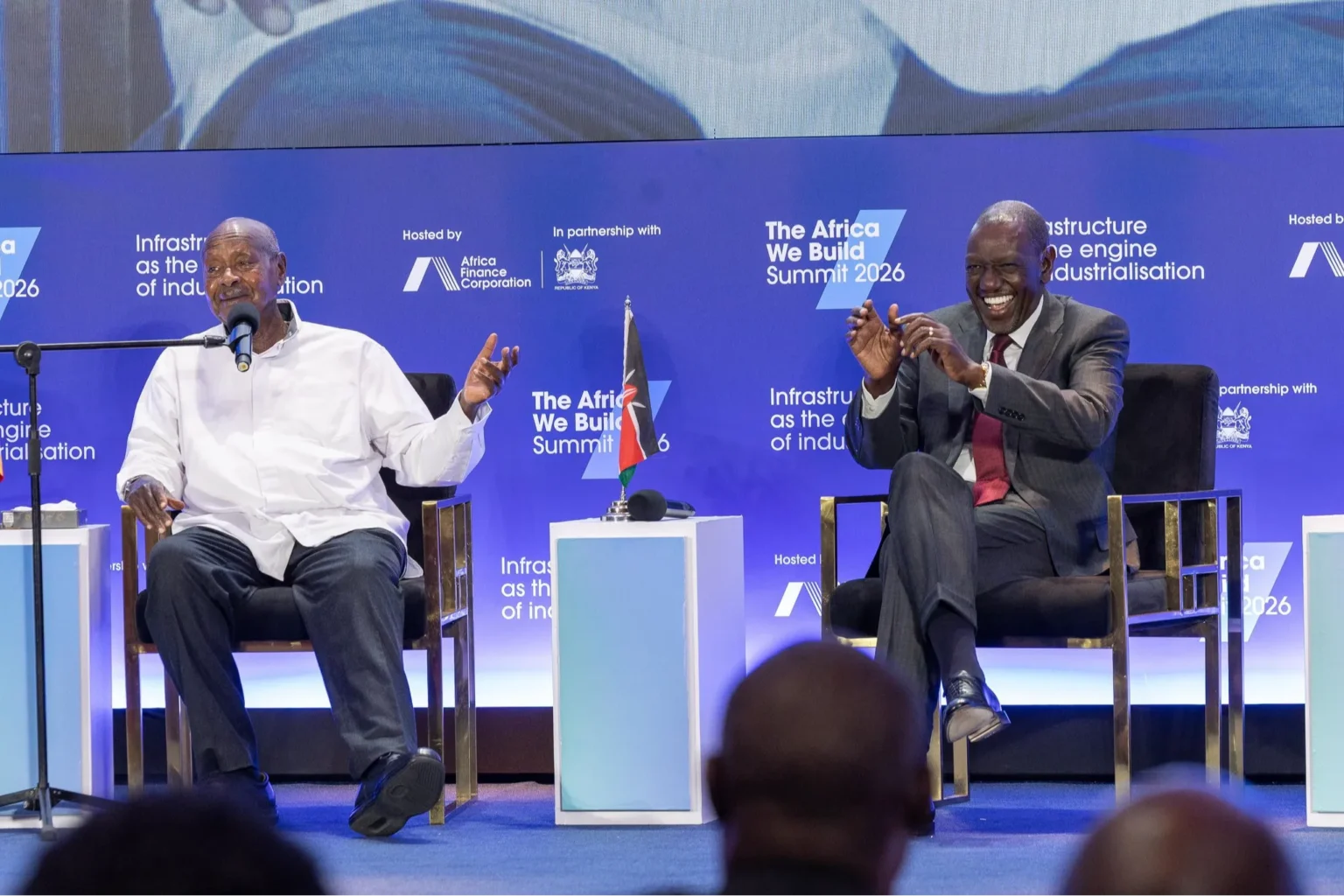
Speaking at the Africa We Build Summit 2026 in Nairobi, the President said the government would now require all mineral resources to be processed domestically before export.
“Regarding minerals, we are not exporting anything raw going forward, the instructions are very clear,” Ruto said.
The directive marks a significant departure from Kenya’s long-standing extractive model, where raw materials have historically been exported with limited domestic benefit. Analysts say the new approach aligns Kenya with a growing continental push for resource nationalism and industrialisation.
Ruto cited the example of titanium mining, arguing that previous extraction practices had delivered minimal returns to both the state and host communities.
“For the record, we had based titanium, one of the companies, they were exporting titanium out of Kenya. They exported everything close to the mines, and we got nothing out of it, very little,” he said.
“The future generations are going to ask us, there was titanium in Kenya, what happened to it? And we will have no answers for it.”
The policy will extend beyond titanium to include rare earth minerals and gold, sectors increasingly viewed as strategic amid rising global demand driven by clean energy technologies and electronics manufacturing.
“That is why, going forward, we have been very clear as a government that the rare earth that we are now looking at, all the other gold issues and the whole mineral sector, we are not going to export it raw anymore,” he added.
The President framed the move as part of a broader East African industrialisation agenda, urging the region to transition from exporting raw materials to producing finished goods.
“We have the raw material, we have the market to buy the product, we have the capital to build it and we have the industrialists to help us run it. Why would we fail?,” he said.
Ruto also backed plans linked to Aliko Dangote and the Dangote Group to develop an oil refinery in Tanga, Tanzania, describing it as a key step towards reducing reliance on imported petroleum products and strengthening regional supply chains.
Industry observers note that Africa currently exports a large share of its raw minerals while importing finished goods at significantly higher costs, a structural imbalance policymakers are increasingly seeking to reverse.
In remarks shared after the summit, Ruto emphasised the need for Africa to mobilise domestic capital to finance industrial growth and infrastructure.
“We must harness the immense capital within Africa to drive infrastructure development our nations urgently require,” he said.
“To achieve this, we must mobilise financing internally and equally support African financial institutions.”
Also Read: Kenya to spend KSh100m on influencers, bloggers to counter online criticism
He warned that continued dependence on foreign capital, often driven by profit motives, could undermine long-term economic sovereignty and development goals.
Kenya’s shift mirrors similar policy directions in countries such as Indonesia and Zimbabwe, where governments have imposed restrictions on raw mineral exports to stimulate domestic processing industries.
Economists, however, caution that successful implementation will depend on investment in refining capacity, stable regulatory frameworks, and access to energy, factors that have historically constrained industrial expansion in parts of Africa.
If effectively executed, the policy could create jobs, expand manufacturing, and significantly increase export value, positioning Kenya as a regional hub for mineral processing.