




KAMPALA, Uganda — Uganda has intensified its regulation of online content after the Uganda Communications Commission (UCC) directed telecommunications operators to block at least 500 websites accused of distributing pornographic material.
The move, authorities say, is part of a broader effort to enforce national broadcasting standards and protect the public, particularly minors, from exposure to explicit content.
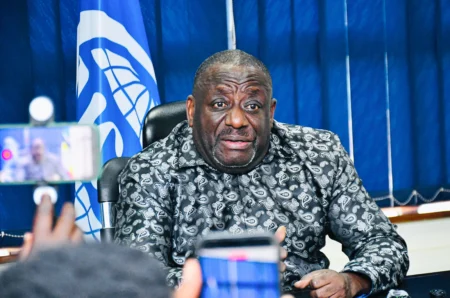
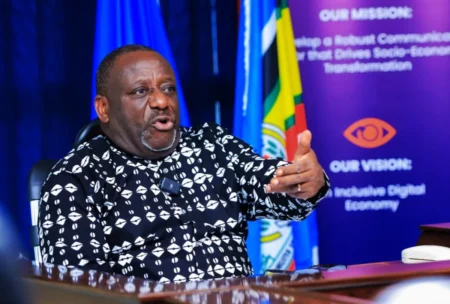
Speaking on behalf of the Commission, Ibrahim Bossa said the directive followed a formal notice issued to telecom providers on April 2, with operators now having implemented the restrictions.
Bossa explained that the order is grounded in the Uganda Communications Act, which mandates the regulator to oversee content standards and enforce compliance across the communications sector.
He added that Section 33 of the Act empowers the Commission to uphold minimum broadcasting standards, including restrictions on content deemed contrary to public morality.
“These standards prohibit the broadcast of content that is contrary to morality and require that adult-oriented programs are appropriately scheduled,” he said.
The Commission noted that the enforcement is further guided by the Uganda Communications Content Regulations, alongside provisions under the Penal Code Act that criminalise offences against morality and seek to shield children from exposure to pornography.
Officials said the blocked platforms include both local and international websites, underscoring the global nature of digital content distribution and the challenges of enforcing national laws in an interconnected online ecosystem.
Despite the scale of the crackdown, regulators acknowledge limitations in fully restricting access.
Bossa admitted that users can still bypass restrictions through Virtual Private Networks (VPNs), which allow internet traffic to evade local controls.
While telecom operators have complied with the directive, the continued use of such tools presents a significant enforcement challenge.
The development reflects a broader global dilemma, where governments struggle to regulate online content that is hosted and distributed across multiple jurisdictions.
Uganda has in recent years tightened oversight of digital platforms, particularly around content considered harmful or inconsistent with national values.
The current directive aligns with ongoing enforcement efforts targeting both online and offline distribution of explicit material, including parallel actions by regulators against digital platforms.
Also Read: Kenya plans to create digital intelligence unit to monitor Kenyans online
Authorities argue that exposure to such content carries risks of mental, moral, and social harm, particularly among young people.
The crackdown is likely to reignite debate around internet regulation, censorship, and digital freedoms.
While the UCC maintains that the measures are necessary to uphold public morality and protect vulnerable groups, critics have previously raised concerns about potential overreach and the implications for access to information and online privacy.
The Commission says it will continue monitoring compliance and has signalled that further enforcement action could be taken against operators or platforms found in breach of Uganda’s communications laws.