

KAMPALA, Uganda — Uganda is moving closer to regulating social media influencers and digital content creators, as authorities respond to the rapid growth of the country’s online economy and its expanding influence on public discourse.
Officials say the proposed measures are aimed at improving accountability, taxation, and content standards in a sector that has grown largely without formal oversight.
Over the past few years, platforms such as TikTok, YouTube, and Instagram have transformed how young Ugandans earn income, build audiences, and engage with brands. Influencer marketing, livestream gifting, and digital advertising are now emerging as viable income streams for thousands of creators.
But the speed of that growth has outpaced regulation.
Authorities are increasingly concerned about the spread of misinformation, unverified content, and the lack of clear tax compliance among digital earners. There are also concerns about online conduct, including harassment, explicit material, and the influence of viral content on public behaviour.
Regulators linked to the Uganda Communications Commission (UCC) have in recent months signalled the need for a more structured framework to govern online activity, particularly among high-reach content creators.
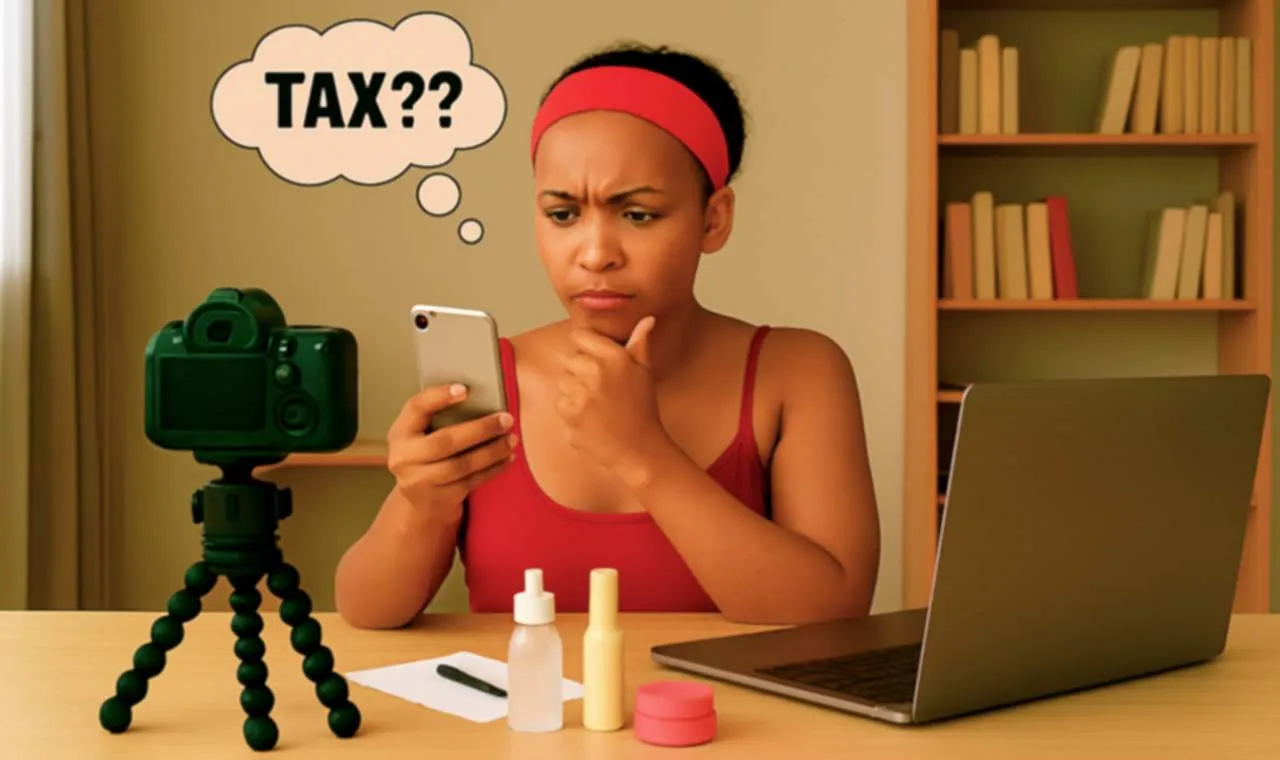
Policy discussions are now focusing on whether influencers should be required to register, disclose paid partnerships, and declare income generated through digital platforms.
Supporters of the move argue that formalising the sector could bring legitimacy and stability to the influencer economy, while also ensuring that creators contribute to national revenue systems.
Some policymakers have also suggested that regulation could help protect users from harmful or misleading content, particularly in politically sensitive or health-related contexts.
However, critics warn that increased regulation risks stifling creativity and limiting freedom of expression.
Digital rights advocates argue that vague or overly broad rules could be used to target dissenting voices, especially in a country where online spaces have increasingly become platforms for political engagement and activism.
For many young Ugandans, social media represents more than entertainment, it is an economic survival tool.
With formal employment opportunities limited, particularly for youth, digital platforms offer a relatively accessible way to generate income, build personal brands, and connect with global audiences.
This mirrors a wider regional trend.
Across East Africa, governments are grappling with how to integrate the fast-growing digital economy into existing regulatory and tax frameworks without undermining its potential for innovation and job creation.
The challenge lies in finding balance.
Too little regulation risks abuse, exploitation, and lost tax revenue. Too much regulation could drive creators underground or push them to relocate their operations to less restrictive jurisdictions.
At the same time, global trends are influencing local policy.
Countries in Europe, Asia, and North America have already introduced rules requiring influencers to disclose sponsored content and comply with advertising standards, models that African regulators are increasingly studying.
For Uganda, the stakes are particularly high.
Also Read: Kenya’s young people harness social media to gain influence and make money
The country has one of the youngest populations in the world, with a rapidly expanding digital user base. As internet penetration rises and smartphone access improves, the influence of online creators is expected to grow even further.
This has implications not only for the economy, but also for politics, culture, and social norms.
Some analysts say the debate over influencer regulation is ultimately about control—who shapes narratives, who profits from attention, and how power is distributed in the digital age.
For now, discussions are ongoing, and no final regulatory framework has been publicly confirmed.
But one thing is clear: Uganda’s digital economy is no longer operating on the margins.
It is becoming a central part of the country’s economic and social landscape, and the rules governing it are about to change.