


NAIROBI, Kenya — The United Opposition has called for a special sitting of the National Assembly to consider scrapping the government-to-government (G-to-G) fuel import arrangement, amid fresh accusations linking President William Ruto to alleged financial gains from recent fuel price increases.
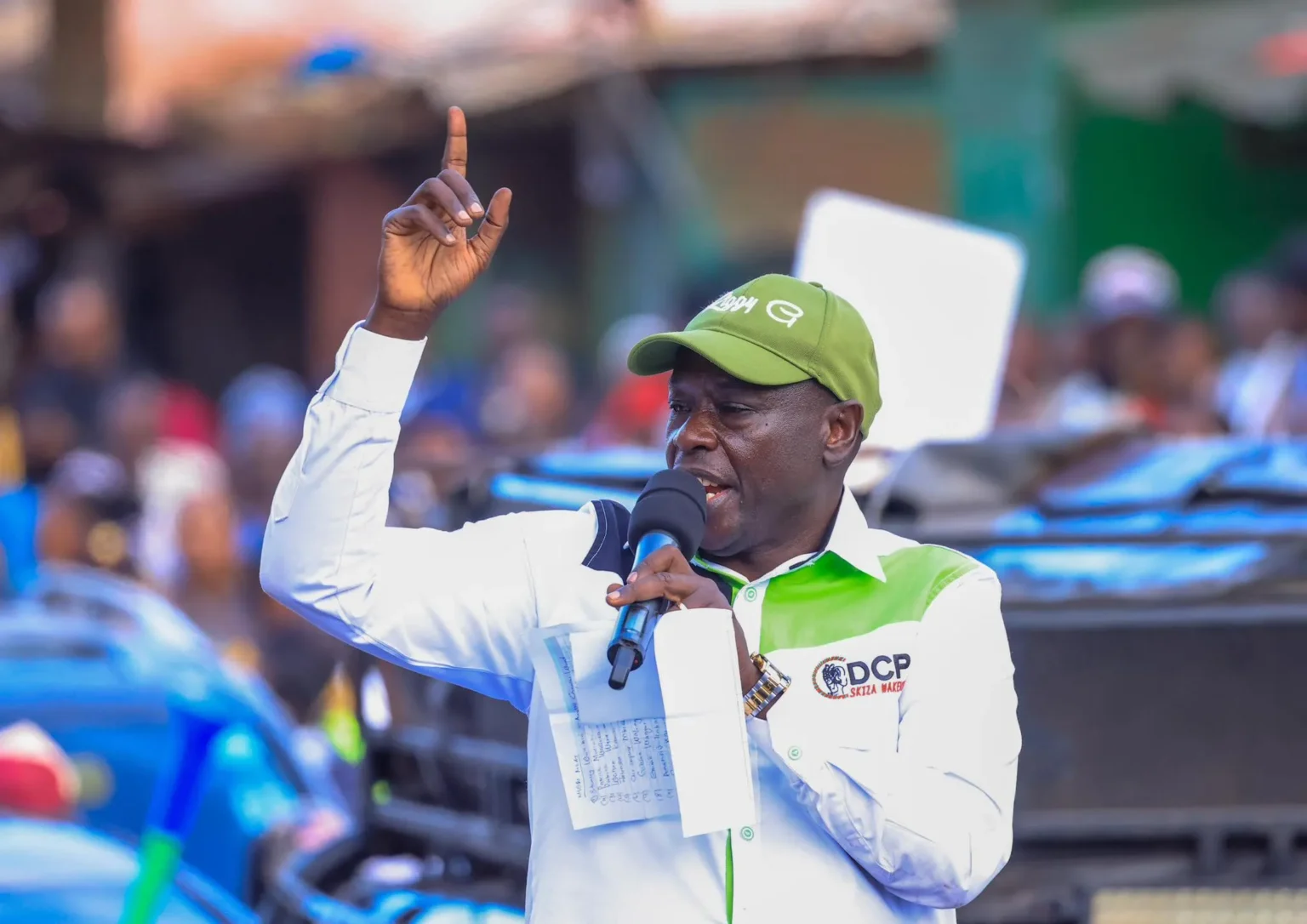
Speaking at a press briefing in Karen, Nairobi on Wednesday, April 15, the opposition, through DCP Party leader Rigathi Gachagua, also demanded the resignation of Energy and Petroleum Cabinet Secretary Opiyo Wandayi and Trade Cabinet Secretary Lee Kinyanjui.
The leaders claimed they were acting on what they described as “intelligence” from members of the public regarding developments surrounding the fuel import system and recent price adjustments.
Gachagua alleged that the President overruled decisions by former senior officials at the Kenya Pipeline Company (KPC), the Energy and Petroleum Regulatory Authority (EPRA), and the Petroleum ministry in relation to emergency fuel import arrangements.
“The three international companies in the G2G deal supply and distribute through six local oil marketing companies, but what was hidden from the public was the real culprits of this scandal. The team leaders are William Ruto, Felix Koskei (Head of Public Service), CS Opiyo Wandayi and a local company,” Gachagua claimed.
He further alleged that a high-level delegation travelled on the night of April 5–6, 2026, for discussions on fuel pricing involving government officials and private sector actors, including Gulf Energy, which he described as a “proxy” in the arrangement.
According to him, CS Wandayi was absent from Parliament proceedings due to his participation in the overseas discussions.
Gachagua also made further allegations linking the President to financial gains from the revised fuel pricing structure announced by EPRA.
Following the latest review, petrol prices increased by Ksh28.69 per litre and diesel by Ksh40.30 per litre for the April–May 2026 cycle.
“Following the April 14, 2026, price adjustment, Mr. William Ruto will earn a profit of Ksh5 per every liter consumed by the people of Kenya,” he said.
He added, “This is the equivalent of Ksh2.5 billion, from the 500 million liters to be supplied for the region’s consumption.”
Gachagua further alleged that cumulatively, the G-to-G arrangement has generated substantial financial returns for individuals involved in the supply chain, though he did not provide documentary evidence to substantiate the claims.
Also Read: Kenya’s ‘hustler’ president defends fuel strategy amid public anger over rising costs
The G-to-G fuel procurement system was introduced by the government as part of broader efforts to stabilise fuel supply and cushion Kenya from global market volatility and foreign exchange pressures.
The government has previously defended the arrangement, arguing that it reduces reliance on intermediaries and helps ensure consistent fuel availability in the domestic market.
However, the latest fuel price increases have reignited political debate, with opposition leaders questioning transparency, pricing structures, and the role of private actors in the supply chain.
The allegations come at a time when Kenya is grappling with rising fuel prices, which have triggered public concern over transport costs and inflationary pressure on household goods.
Political analysts say the dispute over the G-to-G arrangement is likely to remain a central issue in economic policy debates, especially as scrutiny over energy procurement mechanisms intensifies.