
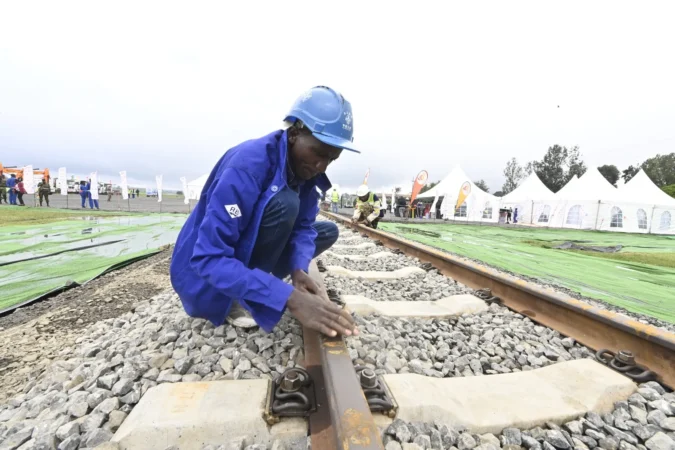



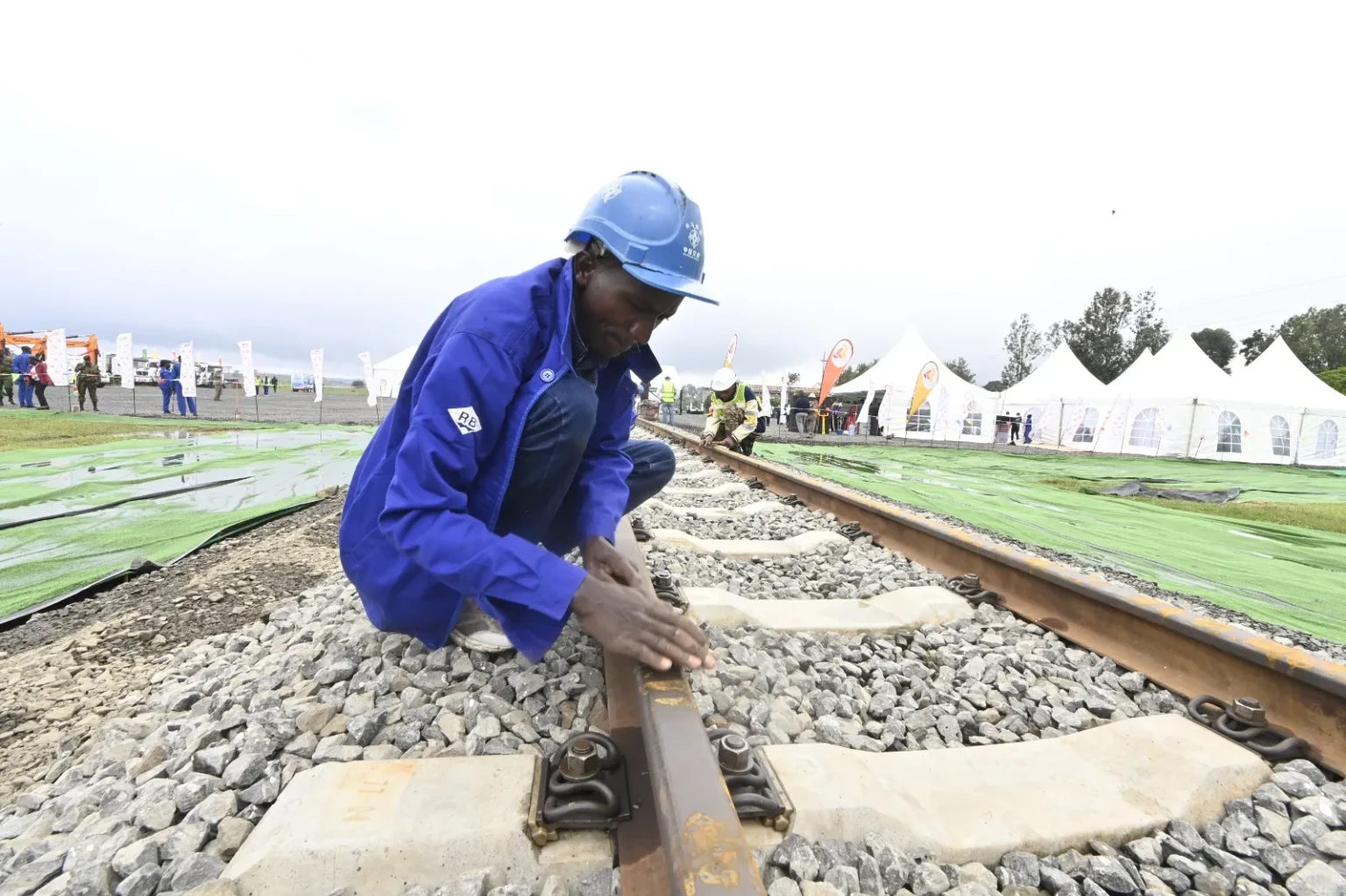
NAIROBI, Kenya — The High Court has directed the government to disclose critical documentation linked to the controversial Riruta–Ngong commuter railway project, as legal proceedings challenging its implementation continue.
In a ruling that underscores mounting scrutiny over the project, the court ordered that earlier interim orders suspending its execution will remain in force pending the full hearing and determination of the case, unless lifted by the court.
The proposed Riruta–Ngong line is a 12.5-kilometre metre-gauge railway intended to ease congestion along Ngong Road, one of Nairobi’s busiest transport corridors, and reduce travel time into the central business district.
As part of its directive, the court issued mandatory orders requiring the government to submit, within 30 days, verified copies of key records associated with the project.
These include the feasibility study report, as well as engineering, procurement and construction contracts, and all related financing agreements.
Further, the government has been instructed to provide minutes of meetings concerning the project, evidence of parliamentary approvals authorising budgetary allocations, and media notices demonstrating that public participation requirements were met.
The court also demanded the submission of cabinet memoranda and approvals tied to the railway’s development, in addition to any loan agreements, financial obligations, or other instruments used to fund the project.
Also Read: High Court fast-tracks Omtatah’s legal challenge against Riruta–Ngong railway project
The ruling comes amid increasing public and legal scrutiny over the planning, financing, and implementation of major infrastructure projects in Nairobi.
Petitioners in the case have raised concerns over transparency, accountability, and whether due legal processes were followed.
The Riruta–Ngong railway forms part of a broader push by the government to revitalise commuter rail transport in the capital, complementing ongoing upgrades under the Nairobi Commuter Rail network.
However, recent legal challenges reflect a growing demand for greater oversight in large-scale public infrastructure investments, particularly those involving public funds and external financing.