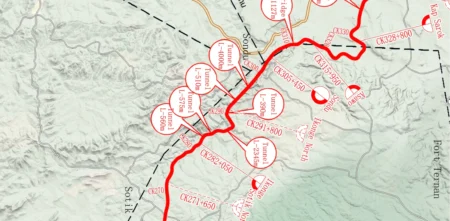




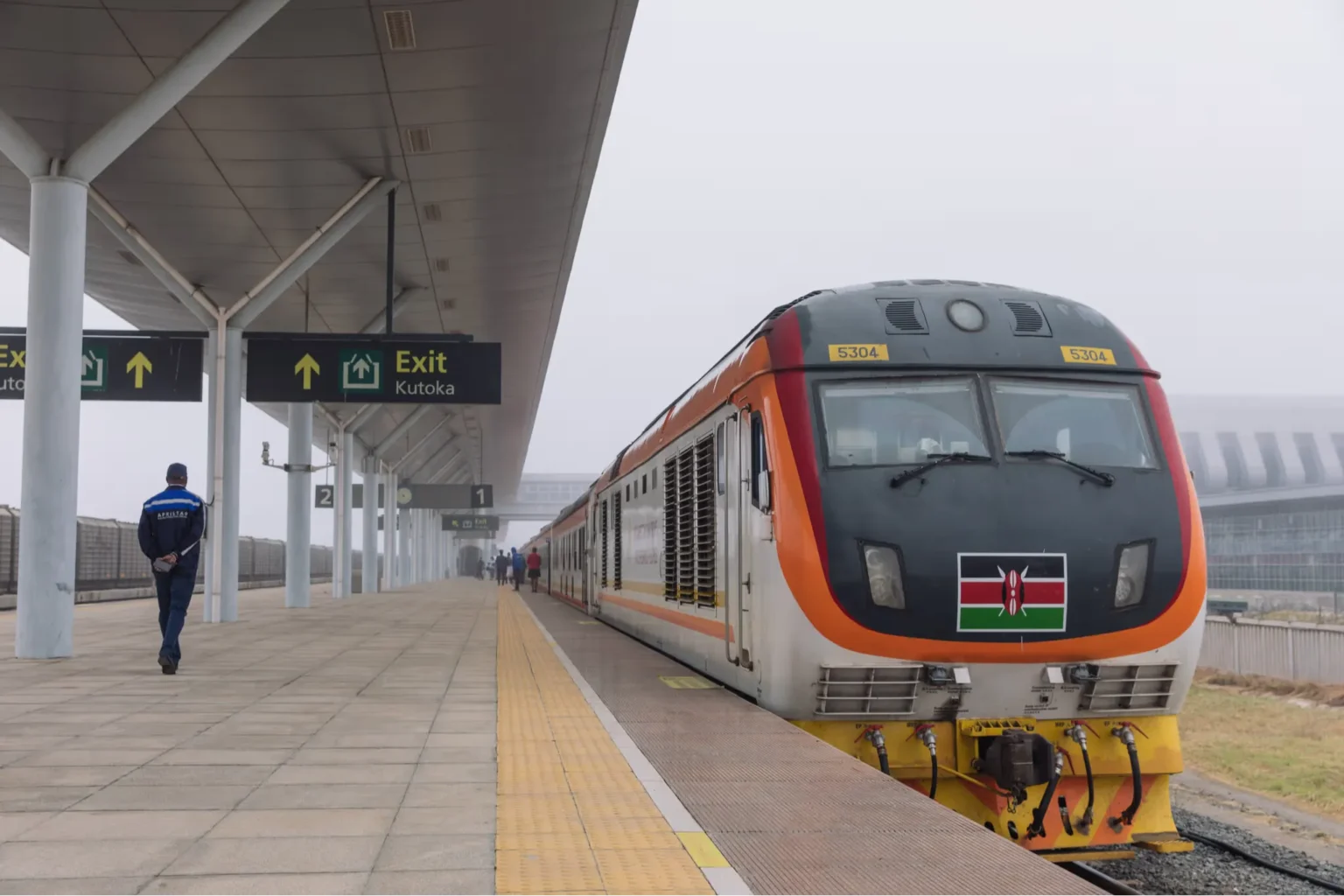
NAIROBI, Kenya — The High Court has formally certified as urgent a constitutional petition lodged by activist and Senator Okiya Omtatah Okoiti, placing the controversial Riruta–Ngong Commuter Meter Gauge Railway Project under immediate judicial scrutiny over its legality, financing structure, and procurement process.
In directions issued by the court, the petitioners’ Notice of Motion dated 19 December 2025 was admitted for hearing on a priority basis under an expedited timetable, reflecting the gravity and national significance of the issues raised.
The court further instructed the petitioners to immediately serve all respondents and interested parties with the application, constitutional petition, supporting pleadings, and previous rulings.
An affidavit of service must be filed by 23 December 2025, while all respondents and interested parties have until 30 December 2025 to submit and serve their responses.
At the heart of the petition is a sweeping constitutional and financial challenge mounted by Senator Omtatah against the project’s funding framework, with particular focus on the Railway Development Levy Fund (RDLF).
The petitioners argue that the levy, its enabling legislation, and related regulations are unconstitutional and should be declared null and void.
They contend that under the existing legal framework, the RDLF is restricted exclusively to financing the construction and operations of the Standard Gauge Railway (SGR) and cannot lawfully be applied to the Riruta–Ngong commuter line or any other infrastructure undertaking.
Also Read: Kenya, Uganda to launch Naivasha–Kampala SGR extension in January 2026
Beyond the levy itself, the petition also contests the project’s approval, commissioning, and financing arrangements.
According to the court filings, the Riruta-Ngong railway project does not qualify for national government loan guarantees and its implementation breaches core constitutional principles governing public finance, including transparency, accountability, fiscal responsibility, and parliamentary oversight.
The case now sets the stage for a high-stakes judicial review of Kenya’s infrastructure financing practices, with potential implications for future public projects and the government’s broader rail development agenda.