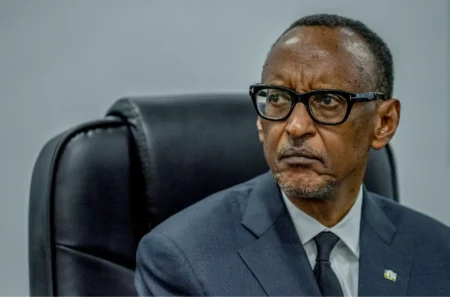


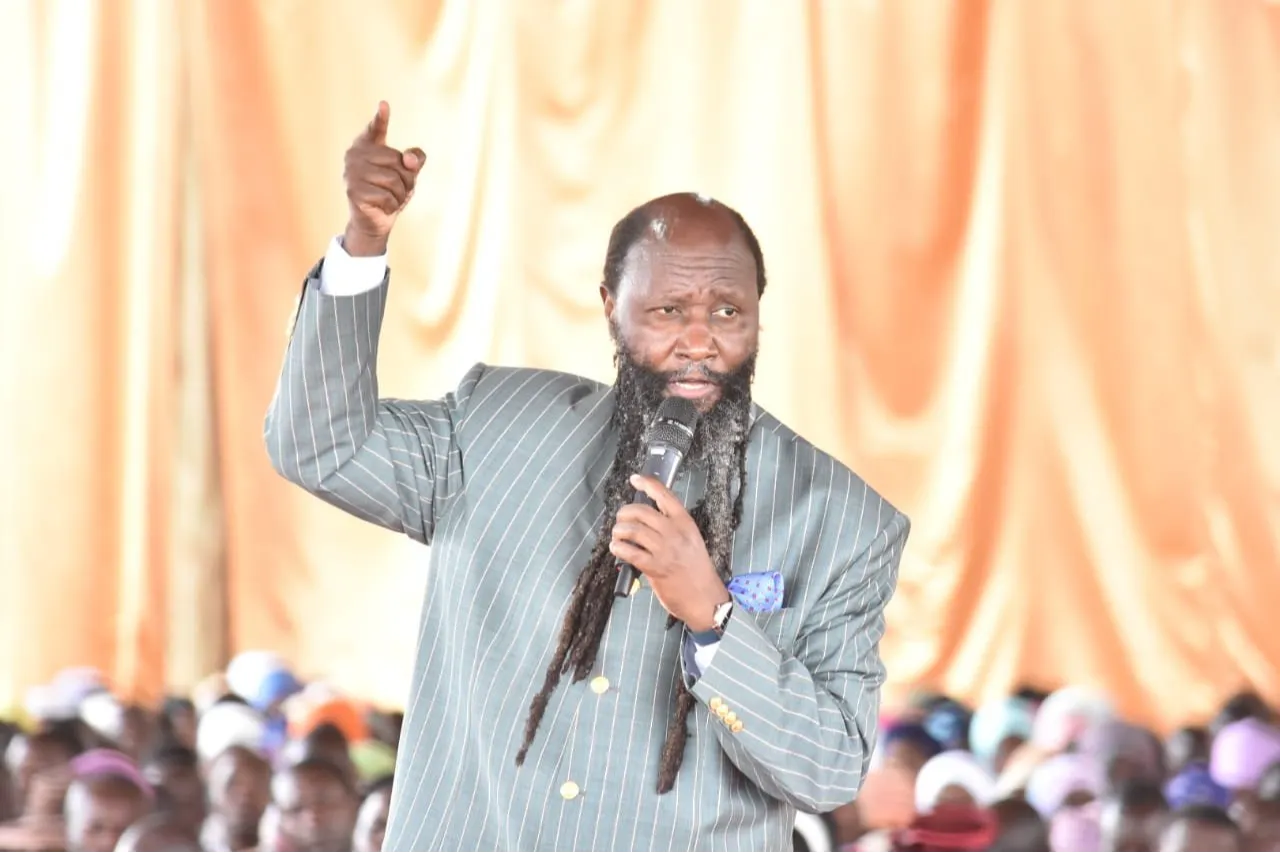
NAIROBI, Kenya — Controversial preacher Prophet Dr David Owuor has donated Ksh20,000 to each member of a TV47 news crew, describing the money as a gift “from the Lord,” in a move that has raised eyebrows amid a parallel legal attempt by his representatives to stop the broadcaster from airing a critical investigative documentary about his ministry.
Images and posts circulating on social media platforms, including Facebook, show claims that the funds were wired directly to journalists at TV47 who have recently been reporting on Owuor and the Ministry of Repentance and Holiness.
The posts describe the payments as spiritual gifts “from the Lord.” However, TV47 has not issued a formal public statement confirming receipt or explaining the circumstances surrounding the payments.
The gesture comes at a time of heightened scrutiny of the preacher, whose large-scale crusades and claims of miraculous healings have made him one of the most polarising religious figures in Kenya.
While Owuor commands a loyal following, critics have long questioned the authenticity and verification of some of the reported miracles linked to his ministry.
Legal move to block investigative broadcast
At the centre of the controversy is a TV47 investigative documentary that reportedly examines alleged fake miracles associated with Owuor’s crusades.
According to social media users and industry observers, lawyers representing the preacher visited TV47 offices in an effort to block the broadcast of the exposé. The documentary reportedly scrutinises testimonies of miraculous healings, including claims of recovery from serious medical conditions.
Neither TV47 nor Owuor’s legal team has publicly disclosed details of the legal grounds cited, nor has the broadcaster confirmed whether a formal court order was issued.
Media practitioners note that Kenyan newsrooms generally resist attempts to interfere with editorial independence, particularly on matters deemed to be in the public interest.
The reported legal intervention has reignited debate over media freedom, religious accountability and the limits of legal pressure on investigative journalism.
HIV/AIDS cure claims under the spotlight
A key focus of the TV47 documentary is alleged faith-based cures for HIV/AIDS, claims that have drawn sharp concern from medical experts and public health advocates.
According to the investigation, some individuals featured in crusade testimonies presented documents purporting to show that they were once HIV-positive and later “healed” after attending prayer meetings.
However, verification attempts by the station reportedly found inconsistencies in medical records, including patient numbers that did not match hospital databases and documents that appeared altered or unverifiable.
Medical professionals interviewed in the documentary warned that claims of miraculous HIV cures pose serious risks, particularly if they lead patients to abandon antiretroviral therapy (ART), which remains the globally accepted and scientifically proven treatment for managing HIV.
Health experts have repeatedly emphasised that there is currently no scientifically proven cure for HIV/AIDS, and that discontinuing ART can result in viral rebound, drug resistance and life-threatening complications.
Public health regulators in Kenya have previously cautioned religious leaders against making unverified medical claims, warning that misinformation around serious illnesses can endanger lives and undermine years of progress in HIV management.
Owuor’s defence and previous media clashes
Prophet Owuor has consistently rejected allegations of fake miracles, at times describing critical reporting as “fake news” and insisting that his ministry’s healings are genuine and medically documented.
Earlier this year, he publicly dismissed reports suggesting he had travelled to Europe for knee surgery, calling them “malicious rumours.”
Also Read: Inside the controversy around Kenya’s ‘prophet’ Owuor and ‘miracle cure’ claims
In an interview with TV47, he maintained that he remained in Kenya during a major healing crusade in Nakuru and accused critics of deliberately misleading the public.
Despite repeated calls from critics and civil society groups for independent verification of healing claims, no comprehensive public audit by health authorities has been released.
Broader debate on faith, media and accountability
The unfolding dispute between Prophet Owuor and TV47 has become a flashpoint in a wider national conversation about the role of investigative journalism in scrutinising powerful religious movements, especially where claims intersect with public health, public trust and vulnerable populations.
Media analysts say the controversy underscores the delicate balance between respect for religious belief and the responsibility of journalists to interrogate extraordinary claims, particularly those with potential real-world consequences.
As the debate continues, press freedom advocates argue that attempts to block investigative reporting, whether through legal pressure or indirect gestures, risk undermining public confidence in both religious institutions and the media.