


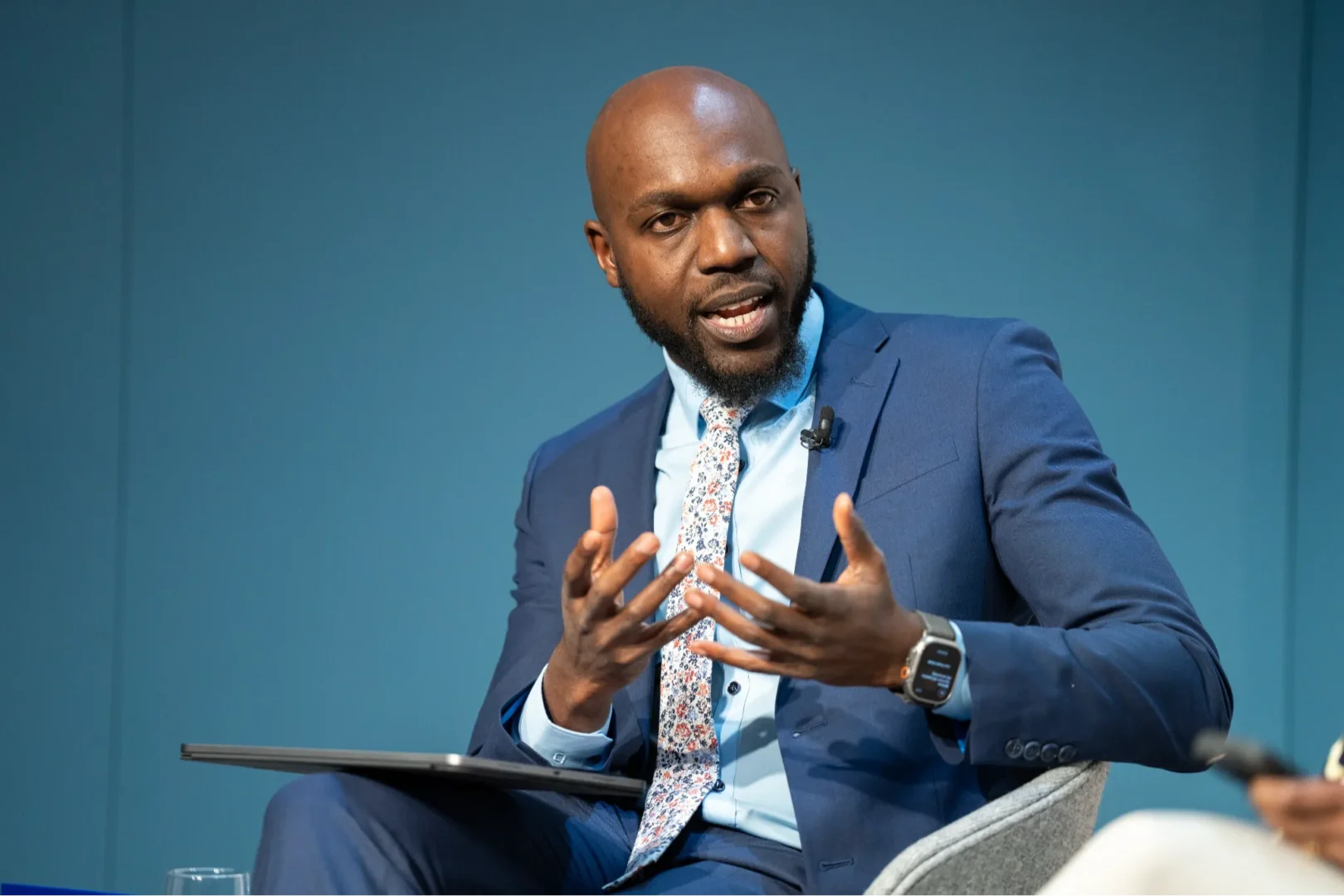
DAR ES SALAAM, Tanzania — CNN correspondent Larry Madowo has publicly questioned Tanzania’s claim that it leads East Africa in press freedom, reacting with disbelief to an official government statement defending its human rights record following a turbulent election period.
In a statement issued to the BBC, the Tanzanian government insisted it had not targeted critics, carried out abductions, or restricted dissent, despite widespread reports of political repression before and after the October 29, 2025 General Election.
The statement asserted that Tanzania remained a functioning democracy and argued that civic space had expanded under President Samia Suluhu Hassan, rejecting allegations of abductions, arrests of critics, and media suppression.
“The government has never involved itself in abductions. The government has never looked for anyone who is a critic of the government,” the statement reads.
“Freedom of expression is guaranteed under the Constitution. Under President Samia, civic space has been increased as she has allowed politicians and people to participate in rallies and political campaigns.”
Madowo’s reaction
Madowo, who extensively covered the election period and its aftermath, reacted sceptically to the government’s claims.
“Tanzania now leads East African countries in press freedom,” Madowo wrote on X on Monday, February 2, 2026.
The comment appeared to underline his disbelief rather than endorse the assertion.
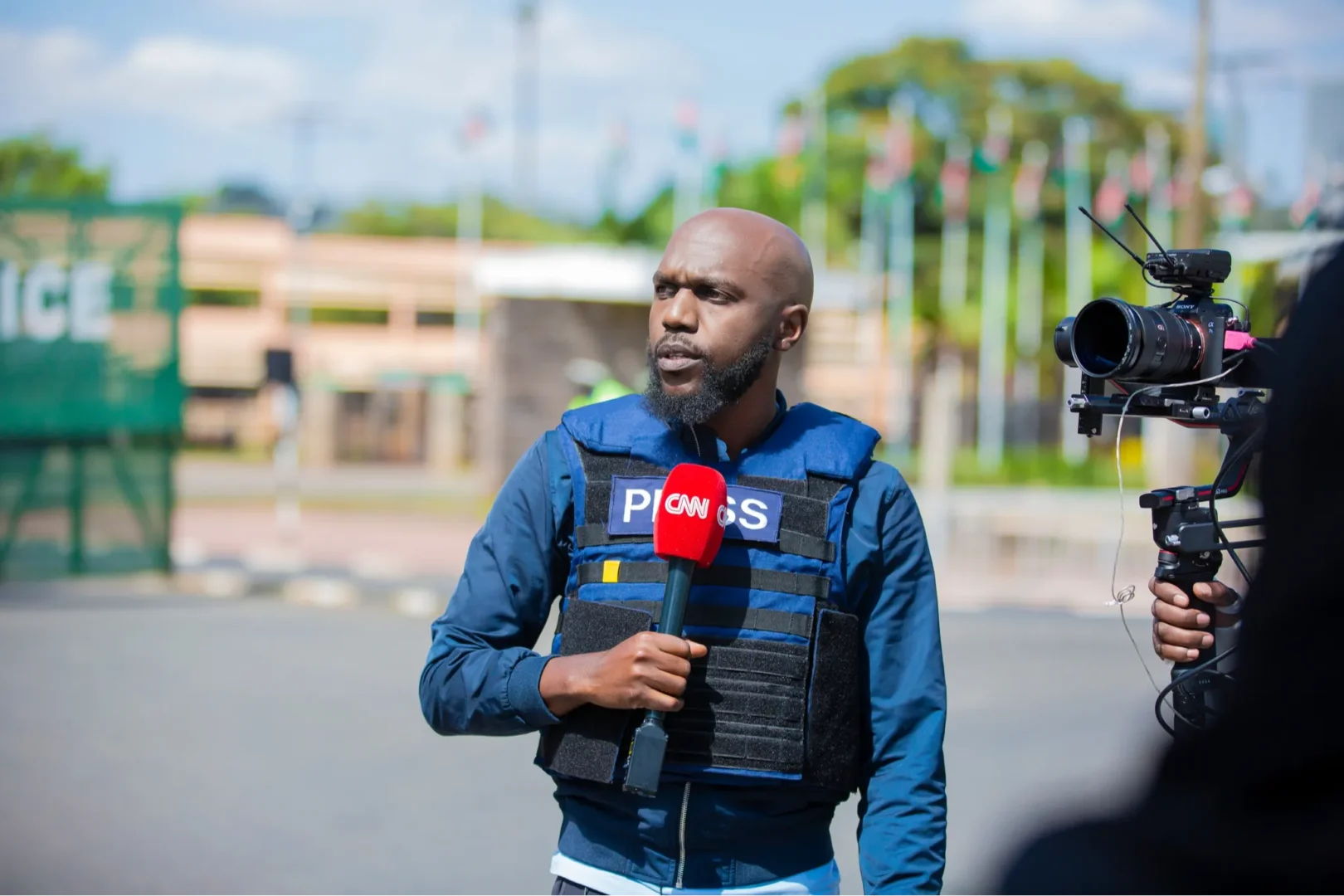
Madowo has previously reported on alleged police brutality, enforced disappearances and extrajudicial killings in Tanzania, including through a documentary aired by CNN that featured witness testimony, video evidence and accounts from families of missing persons.
Disputed election and media crackdown
President Samia Suluhu secured a second term in an election that opposition groups boycotted, citing intimidation, arrests and disqualification of key candidates.
Critics described the vote as neither free nor fair, a claim the government has repeatedly denied.
In the weeks surrounding the poll, Tanzania experienced protests and unrest, accompanied by reports of abductions and killings that were corroborated by eyewitnesses and civil society groups.
Authorities also imposed sweeping information controls, including internet restrictions.
During the same period, the government suspended the online publishing licences of major newspapers; The Citizen, Mwananchi and Mwanaspoti, for 30 days, a move widely criticised by press freedom advocates.
Also Read: Tanzania targets ‘unlicensed’ journalists in nationwide media crackdown
Scores of young people were arrested amid the unrest. President Suluhu later ordered that charges against some of them be dropped, framing the decision as an act of reconciliation.
“Sambamba na mambo mengine, katika hotuba yangu ya kulifungua Bunge la 13 la Jamhuri ya Muungano wa Tanzania, nimevielekeza vyombo vya sheria hasa Ofisi Mkurugenzi wa Mashtaka (DPP), kuwafutia makosa vijana na watoto wetu ambao kwa kutokujua, walifanya makosa kwa kufuata mkumbo Oktoba 29 mwaka huu. Nikiwa Mama na Mlezi, ninawasihi vijana wote kuendelea kulinda amani na mshikamano wa nchi yetu, na hata siku moja msikubali kushawishiwa kuichoma nchi yenu wenyewe,” Suluhu stated.
Loosely translated:
“Alongside other matters, in my speech opening the 13th Parliament of the United Republic of Tanzania, I have directed the law enforcement authorities, especially the Office of the Director of Public Prosecutions (DPP), to drop charges against our youths and children who, out of ignorance, committed mistakes by following the movement on October 29 this year. As a mother and guardian, I urge all young people to continue safeguarding the peace and unity of our country, and never allow yourselves to be persuaded to destroy your own nation.”
A widening credibility gap
While the government maintains that Tanzania’s democratic credentials remain intact, journalists and rights groups say the gap between official narratives and documented accounts continues to widen.
Madowo’s reaction has reignited debate over press freedom, accountability and the role of international media scrutiny in the region.
