


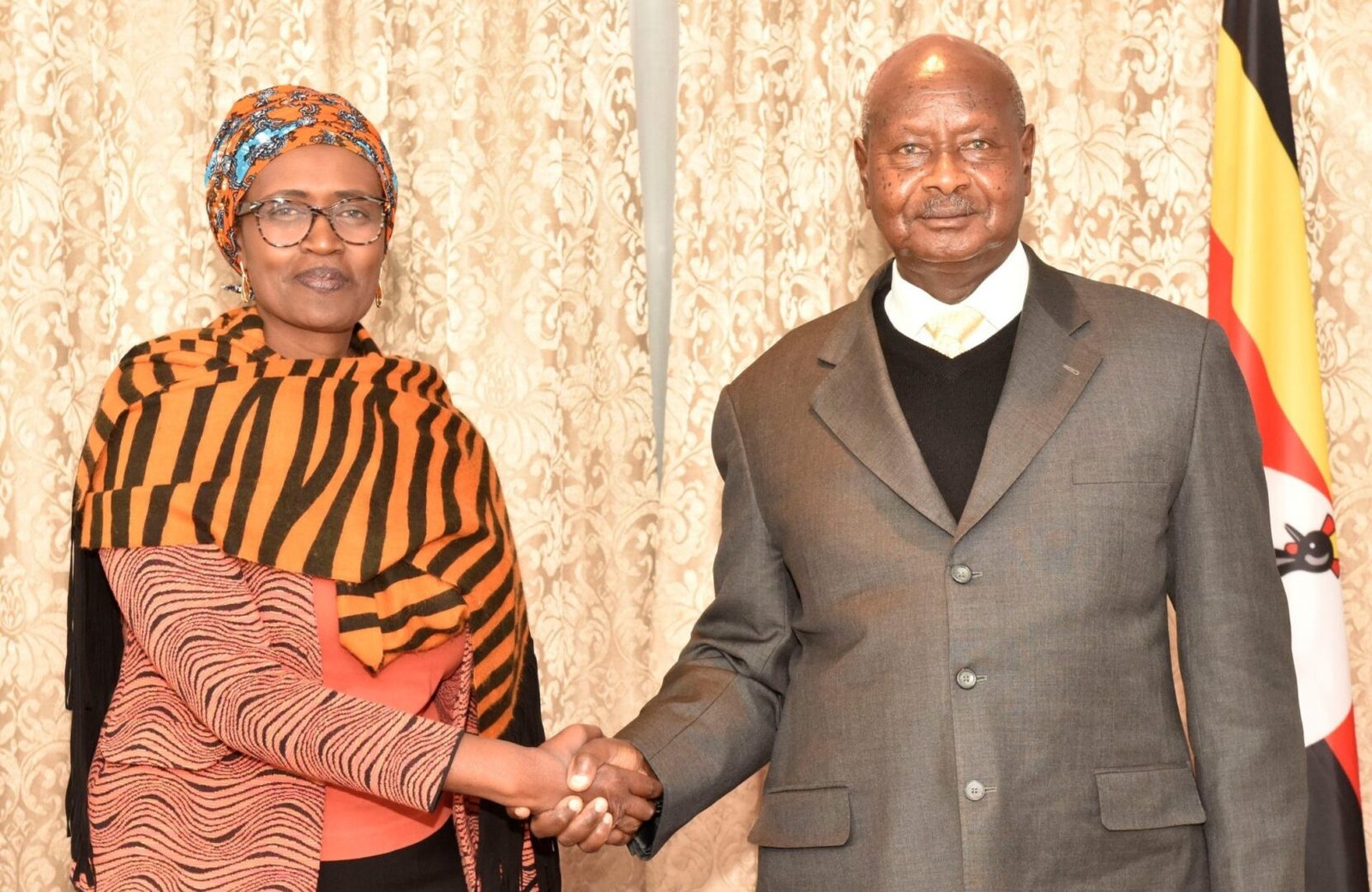
KAMPALA, Uganda — The family of jailed Ugandan opposition leader Dr Kizza Besigye has issued an emotional public appeal to President Yoweri Museveni, urging him to allow the veteran politician access to independent medical care amid concerns that his health is deteriorating in detention.
In a letter addressed directly to the Head of State, members of the Byanyima family; Edith, Anthony, Martha, Abraham and Olivia, said they were writing “with a heavy heart,” stressing that their plea was not political, but deeply personal.
“To us, he is not a political symbol or a headline,” the letter reads.
“He is a husband, a father, a brother and an uncle – a human being whose life matters.”
The family expressed alarm over what they described as worsening health conditions for Dr Besigye at Luzira Prison, citing restrictions on access to specialised and independent medical care.
Their appeal follows reports by the People’s Front for Freedom (PFF) that Besigye was recently transferred under heavy security from prison to a private medical facility in Bugolobi, before being returned to custody.
Invoking constitutional protections, the family argued that detention does not nullify fundamental rights.
“The Constitution of Uganda is clear,” the letter continues.
“Article 22 guarantees the right to life and Article 24 prohibits cruel, inhuman and degrading treatment under all circumstances. These rights do not disappear because a person is detained.”
In a direct and carefully framed appeal, the family urged President Museveni to act not as a political rival, but as a fellow Ugandan and former colleague.
They recalled Besigye’s role during the National Resistance Army (NRA) bush war, when he served as Museveni’s personal physician, arguing that humane treatment is both a moral obligation and a constitutional duty.
“Your Excellency, allowing Dr Besigye to be hospitalised does not weaken your authority, does not concede any political position, and neither does it endanger national security. But by refusing, it risks something far greater: a human life, the anguish of an entire family, and the moral standing of the Ugandan State,” the letter stated.
The family called on the President, in his capacity as Commander-in-Chief and head of the security services, to facilitate Besigye’s immediate transfer to a “fully equipped, independent medical facility of his doctors’ choosing.”
The appeal concludes with a final moral plea: “May conscience guide your decision.”
Health and detention under scrutiny
Dr Besigye, a four-time presidential candidate and one of Uganda’s most prominent opposition figures, has been on remand since late 2024, facing treason-related charges linked to allegations that he and others conspired over more than two decades to overthrow the government by force. He has consistently denied the accusations, describing them as politically motivated.
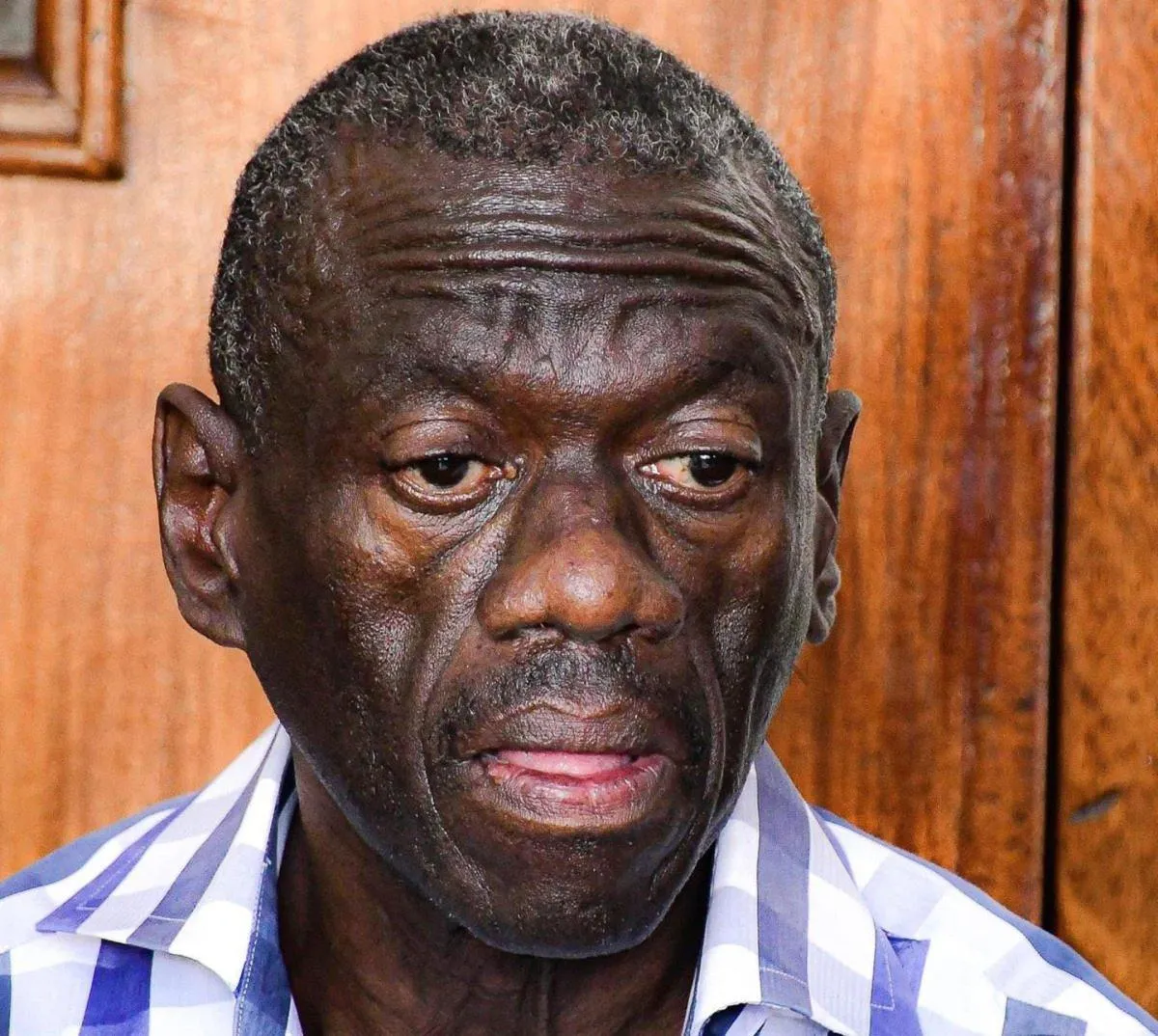
His health has increasingly become a flashpoint in national debate. According to his legal team and the PFF, Besigye suffers from chronic hypertension and related complications that require specialised medical attention beyond what is available within the prison system.
The Uganda Prisons Service has repeatedly maintained that all detainees receive adequate healthcare under the supervision of prison medical personnel, and that transfers to external facilities are conducted when deemed necessary.
However, the family’s letter adds to mounting pressure from human rights organisations, opposition parties and civil society groups, who argue that detainees, regardless of political status, are entitled to timely, independent and dignified medical treatment.
As public attention shifts to President Museveni’s response, the case once again places Uganda’s handling of political detainees under international and domestic scrutiny, with implications that could resonate as the country moves closer to the 2026 general elections.
