



KAMPALA, Uganda — As Ugandans head to the polls today January 15, 2026, President Yoweri Museveni is seeking a seventh term that would extend his rule beyond four decades, making him one of the world’s longest-serving leaders.
Behind the vote lies a country defined by enormous promise, and persistent pressure.
Here are five forces shaping Uganda’s future.
1. Regional military powerbroker
Uganda’s modern politics remain shaped by conflict.
Museveni came to power in 1986 after leading a guerrilla rebellion that ended years of instability following the brutal dictatorship of Idi Amin.
Since then, Kampala has projected power far beyond its borders.

Uganda supplies the largest African military contingent in Somalia, fighting the al-Qaeda-linked militant group Al-Shabaab. Its forces have intervened repeatedly in the Democratic Republic of Congo, fought in two devastating wars there, and remain militarily active in the region.
Earlier this year, Uganda again deployed troops to South Sudan to support President Salva Kiir, a move that observers said breached a UN arms embargo.
Museveni has cultivated close security ties with Western powers, especially the United States, positioning Uganda as a strategic counter-terrorism partner despite criticism of his domestic governance.
2. One of the world’s harshest anti-gay laws
Uganda’s Anti-Homosexuality Act, signed in May 2023, remains among the most punitive globally. It imposes long prison sentences for same-sex relations or “promotion” of homosexuality, and allows the death penalty for “aggravated homosexuality”, although executions have not been carried out for many years.

Human Rights Watch said the law “institutionalised” homophobia and made discrimination “legitimate”.
The World Bank froze new lending over the legislation but announced in June 2025 that it would resume funding, saying safeguards had been introduced to prevent discrimination within its projects.
3. Oil wealth and the fight against poverty
Uganda’s economy is still anchored in agriculture, with coffee its leading export, alongside refined gold and a rapidly growing tourism industry.
Economic growth exceeded 6% in 2024–2025, according to the World Bank. Yet around 60% of Ugandans live on $3 a day or less, and corruption scandals continue to sap public confidence.
The government’s biggest bet is oil.
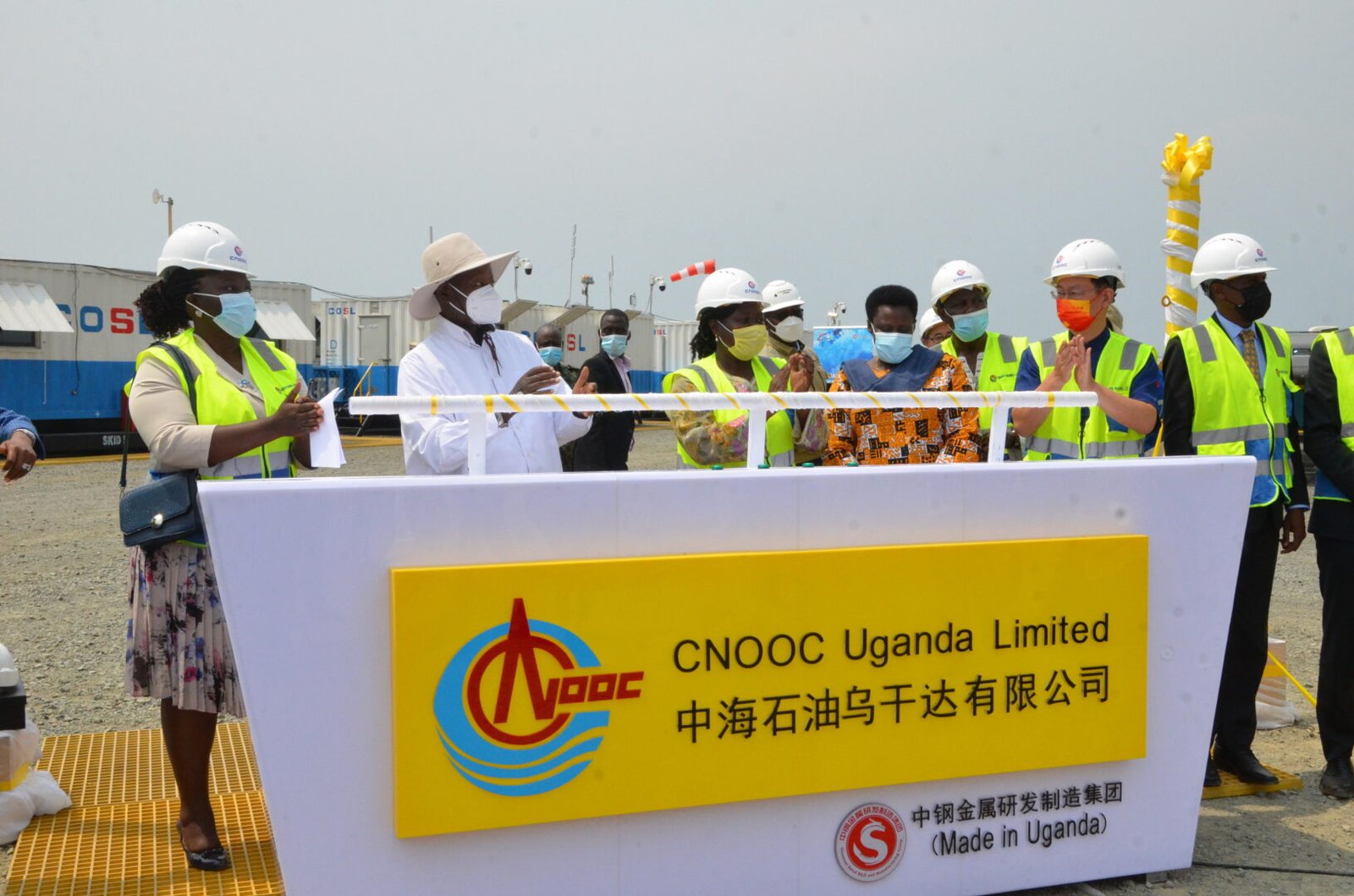
After major discoveries near Lake Albert in 2006, Uganda partnered with France’s TotalEnergies and China’s CNOOC on a $10bn export project, including the East African Crude Oil Pipeline — the world’s longest heated pipeline.
The 1,443-kilometre line is scheduled to begin transporting crude to Tanzania’s Indian Ocean port of Tanga in June, despite fierce opposition from environmental groups concerned about displacement, biodiversity loss and carbon emissions.
4. A nation of the young
Uganda is one of the world’s youngest countries.
Of its estimated 51.4 million people in 2025, half are under 18, while only 2% are over 65, according to World Bank data.
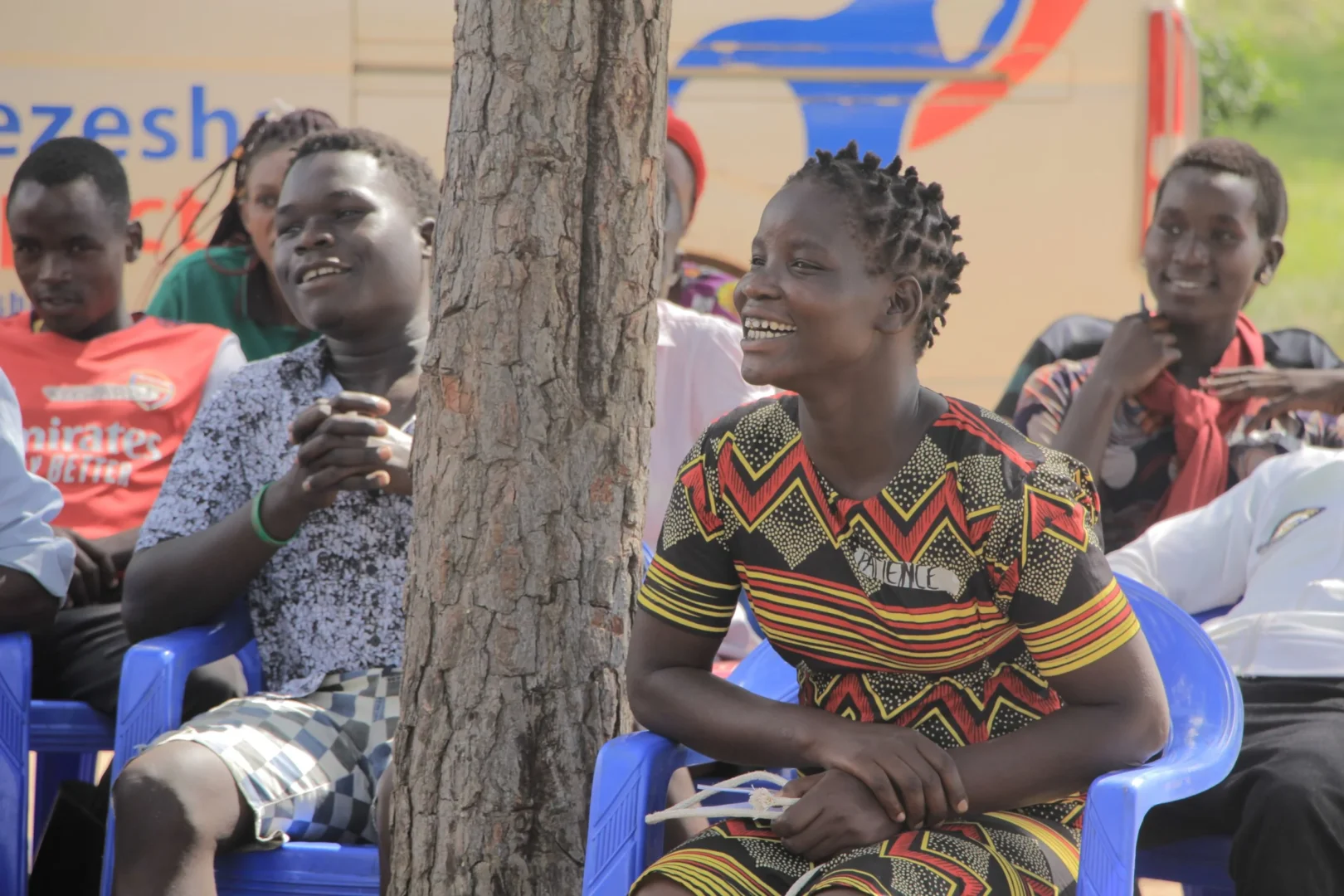
This youth surge creates both opportunity and strain. Unemployment and underemployment remain high, while pressure on education, health services and housing continues to mount.
Also Read: The pop star taking on one of the world’s most entrenched presidents
Yet the country’s natural wealth is vast: rainforests, snow-capped Rwenzori Mountains, the source of the Nile, and wildlife icons such as Bwindi’s mountain gorillas and Lake Victoria, Africa’s largest lake.
5. Africa’s largest refugee host
Uganda now hosts more refugees than any other African country.
The United Nations estimates the number at around two million in 2025, driven by conflict in Sudan, South Sudan and the Democratic Republic of Congo.

While Uganda is praised for its progressive refugee policies, allowing access to work, land and movement, aid agencies warn that resources are increasingly stretched.
Past scandals over inflated refugee numbers have also raised questions about governance and aid management.
Why it matters
The election will determine whether Museveni’s long grip on power continues, and whether his promises of oil-fuelled transformation can satisfy a rapidly growing, increasingly restless generation.
Uganda’s future now sits at the intersection of energy wealth, demographic pressure, regional influence and political longevity.
