


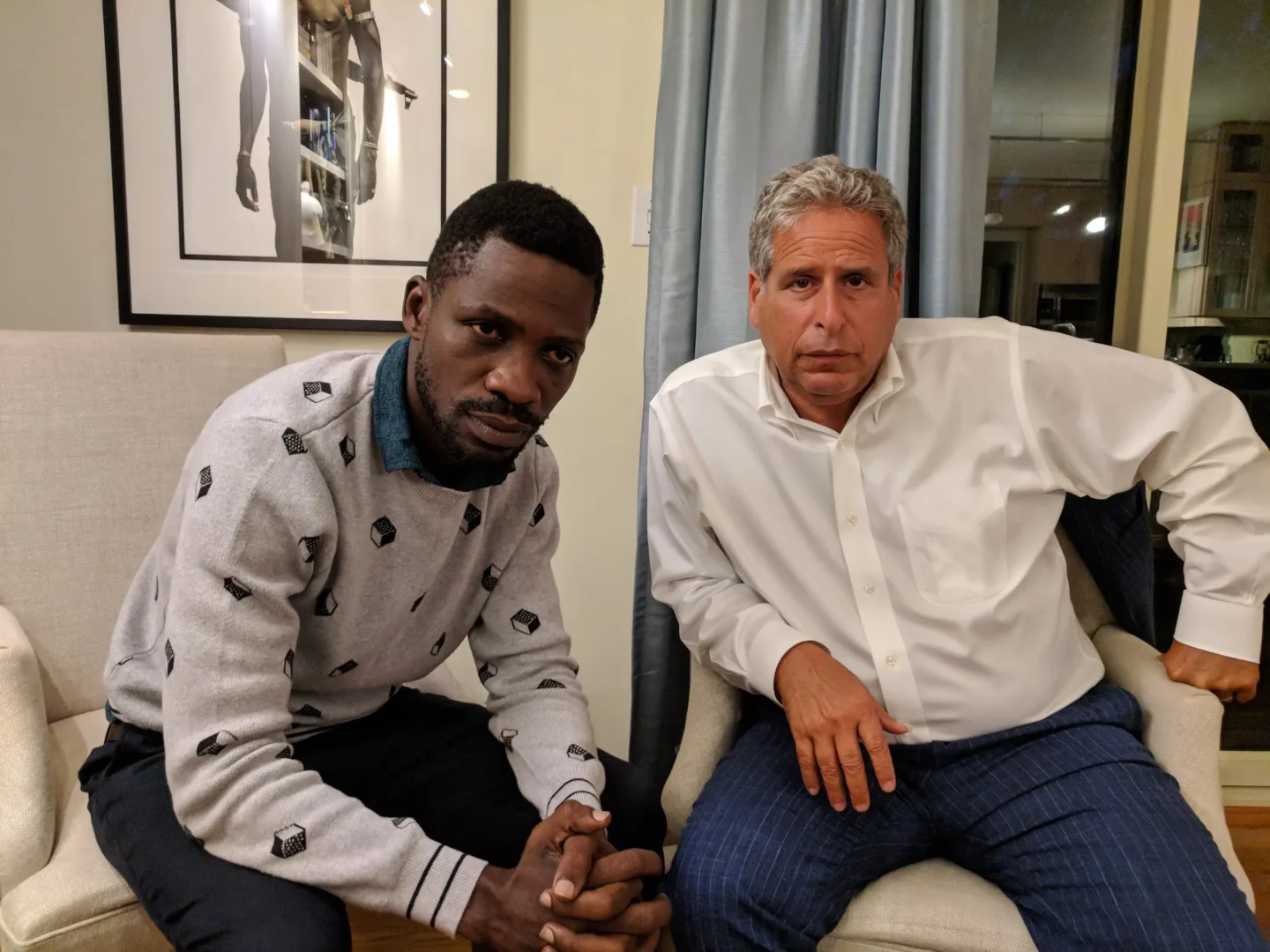
KAMPALA, Uganda — Uganda’s January 15, 2026 general election has drawn heightened international concern after global law firm Amsterdam & Partners LLP raised alarm over what it describes as growing restrictions on opposition activity and threats to electoral transparency.
The firm, which represents opposition presidential contender Robert Kyagulanyi Ssentamu (popularly known as Bobi Wine), released a statement this week highlighting what it says are irregular conduct and an uneven campaign environment.
Opposition campaigns and independent rights monitors say incidents in recent weeks reflect an increasingly constrained political space, marked by confrontations between candidates and state security forces, restrictions on civil liberties and fears of digital shutdowns as polling day nears.
Opposition groups have reported a series of clashes with security forces while campaigning, including rallies being halted or broken up, the arrests of organisers and local coordinators, and journalists being blocked from covering events in areas seen as opposition strongholds.
Observers say heavy police deployments in opposition-leaning regions have exacerbated tensions around the vote.
Government officials, however, maintain that these actions are intended to enforce public order and argue that some opposition groups have breached approved campaign schedules.
The United Nations Human Rights Office has voiced concerns about what it called “widespread repression” in the weeks before the election, citing intimidation of opponents, arbitrary arrests of civic figures and human rights defenders, and the use of lethal force to disperse peaceful protests.
These patterns echo longstanding allegations of suppression ahead of ballots in Uganda.
Technology and digital communications have emerged as a new point of friction. Amsterdam & Partners, along with several election-monitoring organisations, warns that the government could once again restrict access to digital platforms, particularly social media, during or immediately after the vote.
Uganda previously imposed full internet shutdowns during tense political periods, most notably in the 2021 general election.
While authorities deny plans to cut internet access during this election, saying there is “no resolution to switch off the internet,” such assurances have done little to allay opposition fears.
The Uganda Communications Commission (UCC) maintains its mandate is to guarantee uninterrupted connectivity, but satellite internet company Starlink recently restricted its services in Uganda after regulatory directive concerns, fueling speculation about digital controls.
Opposition leader Bobi Wine has actively prepared for possible communications disruptions, urging supporters to adopt decentralised messaging tools that operate without internet connectivity to share information securely if networks are restricted.
The election marks another major challenge to President Yoweri Museveni, who has ruled Uganda since 1986 and is seeking a seventh term in office.
Although his victory is widely anticipated due to strong control over political institutions and the state apparatus, the conduct of the election and its aftermath are widely seen as critical tests of Uganda’s democratic credibility.
Critics argue that almost four decades in power have concentrated authority in the presidency and blurred the lines between the ruling National Resistance Movement (NRM) and state security organs.
Museveni’s government dismisses claims of repression, attributing security measures to maintaining order and enforcing electoral laws.
Observers from rights organisations and regional missions are expected to monitor the vote, but local civil society groups say their capacity to track polling stations has been hampered by administrative barriers and delays in accreditation.
Also Read: Uganda suspends Chapter Four NGO permit over security concerns ahead of 2026 elections
Amsterdam & Partners says it plans to publicise electoral developments internationally, a move analysts interpret as part of broader efforts to draw global attention to political tensions in Uganda.
With days to go before the polls open, political analysts warn that the real test may come after the vote, particularly if results are disputed or released slowly.
For millions of Ugandans heading to the polls on January 15, questions persist about security, transparency and whether the electoral playing field is genuinely level, but the outcome will again test the resilience of Uganda’s democratic institutions and shape the country’s political future.
