


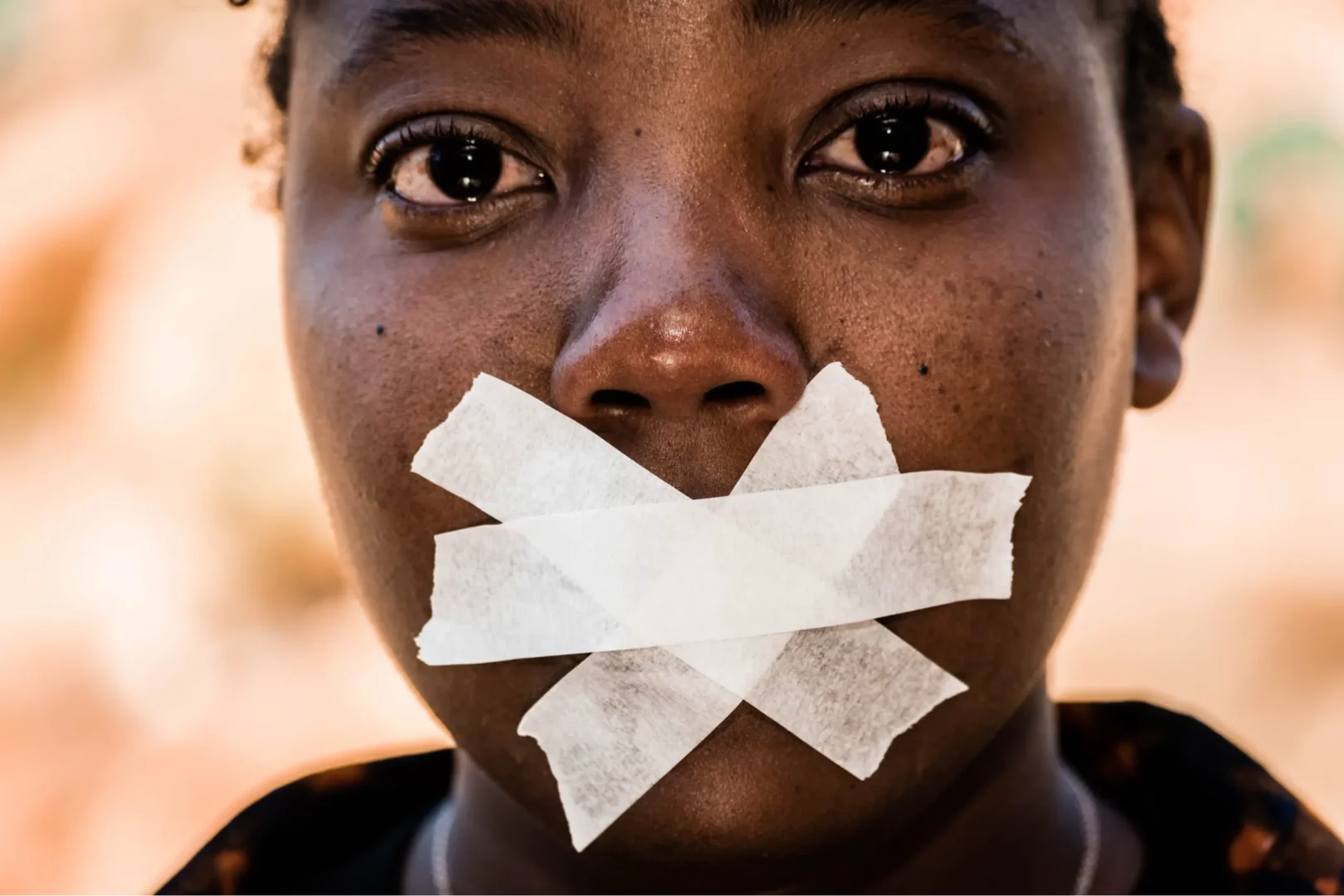
DAR ES SALAAM, Tanzania — Tanzanian authorities on Wednesday announced plans to intensify oversight of journalists and media outlets operating without proper accreditation, signaling a stricter regulatory approach to the press.
The Journalists Accreditation Board (JAB), responsible for licensing media practitioners, said it had observed a rising number of individuals and outlets producing news content without legal authorisation.
The Board warned that it would conduct inspections of media houses across the country to identify and sanction those deemed unqualified.
“We have learnt of some people who do not meet requirements but who have embarked on duties of journalism after the end of the general election,” the JAB statement read.
The Board emphasised that journalism is a formal profession regulated by law, ethical standards, and professional norms.
“JAB reminds and emphasises to the public that journalism is a formal profession governed by legal, ethical and professional standards. Therefore, anyone who engages in journalistic activities without credentials violates the provisions of section 19 of the Media Services Act 229 (2023),” the statement added.
The announcement comes in the wake of a turbulent post-election period, during which the internet was temporarily shut down and social media access restricted following violent protests.
Authorities also instructed platforms to remove accounts deemed critical of the government, prompting criticism from rights groups, including Amnesty International, which described the electoral environment as “stifled for journalists, activists and opposition leaders.”
JAB was established in 2024 following amendments to the Media Services Act, with the mandate to license journalists across print, broadcast, and digital media. The Act also grants authorities the power to suspend licenses of outlets that breach regulations.
However, critics have expressed concern that the law’s interpretation rests with the regulators, leaving room for selective enforcement that could target media critical of the government.
In its Wednesday statement, JAB sought to frame its actions as a measure to protect journalistic integrity rather than restrict media freedom.
“Our role is not to throttle media freedoms but to eliminate ‘quacks’ undermining the credibility of journalism in the country,” it said, ordering all unlicensed journalists to cease operations immediately.
Also Read: Rising repression: Are Kenya, Uganda, and Tanzania joining forces against dissent?
The directive extends to freelance reporters, photographers, radio and television presenters, and potentially digital content creators.
It remains unclear whether Tanzanian-focused YouTube channels produced abroad could face restrictions, though authorities have previously required online content creators to register.
While the Board did not provide a specific timeline for the inspections, it pledged to “soon” verify that all practitioners working as journalists are appropriately accredited.
