


LUMAKANDA, Kenya — A vivid display of cultural heritage and ritual practice at the Lumakanda home of the late Cyrus Jirongo has ignited a robust national conversation on the intersection of tradition and modern law.
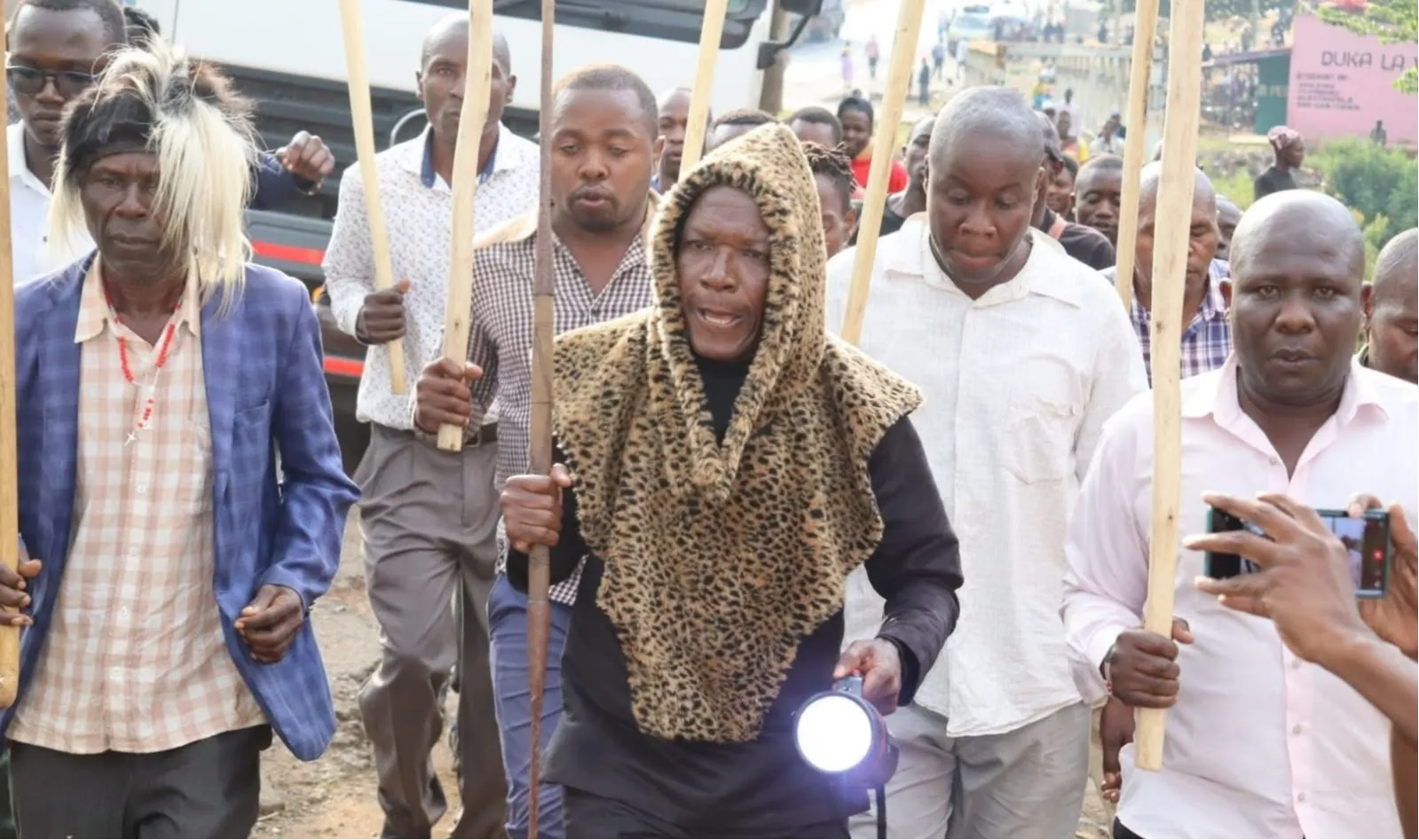
The event unfolded on Monday, December 29, 2025, as Senator Boni Khalwale led a traditional ancestral ceremony that some say calls for truth and justice regarding the circumstances of Jirongo’s death.
The torch ritual and its significance
In a procession marked by traditional regalia and the rhythmic cadence of Isukuti drums, Khalwale presided over what community members refer to as the “torch” ritual—a symbolic practice rooted in Tiriki and broader Luhya cultural customs.
The ritual involves the lighting of a torch, not within a coffin but beside the body, and is understood by practitioners as a spiritual summons for justice when a death is viewed as mysterious or unresolved.
Proponents of the ritual maintain that as the torch burns and eventually extinguishes, its light will metaphorically lead the community to answers about the final moments of the deceased.
While Khalwale did not place the torch inside Cyrus Jirongo’s casket, he invoked the late politician’s name and appealed for transparency surrounding the head-on collision that claimed Jirongo’s life on December 13, 2025.
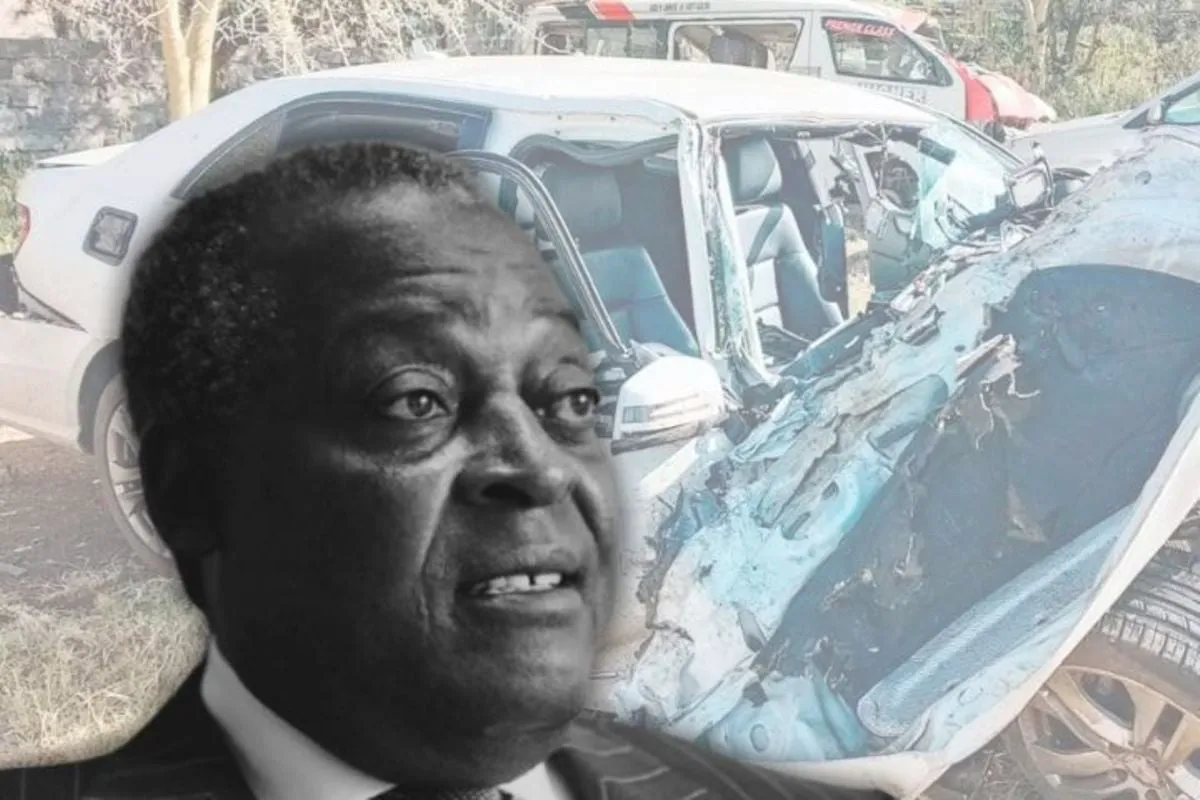
Official reports attributed the fatal accident to severe blunt force trauma following a crash on the Nairobi–Nakuru Highway near Naivasha, but calls for deeper scrutiny persist among some supporters and family members.
A community divided
The ritual has been met with mixed reactions. Supporters see it as a legitimate expression of African cultural heritage, while others—including respected elders from within the Tiriki community—have distanced themselves from the practice, asserting that it is not representative of mainstream funeral customs.
Former Westlands legislator Fred Gumo, serving as chairman of the Jirongo burial committee, defended the inclusion of the torch ritual in the proceedings.
“All the family is asking is for thorough investigations into his death; if it doesn’t happen, then the torch will work,” Gumo said, framing the ceremony as both symbolic and purposeful.
Also Read: Martha Karua reveals Cyrus Jirongo feared for his safety before his fatal crash
Political figures such as DAP-K leader Eugene Wamalwa also expressed support for the ritual, emphasizing that it reflects local sensitivities and underscores broader calls for a comprehensive probe into Jirongo’s passing.
Culture, justice, and modern law
The episode has reverberated beyond Lumakanda, sparking discussion in both traditional and legal circles about how cultural practices can coexist with formal investigative processes.
Legal experts and human rights advocates have weighed in, noting that while cultural rites are constitutionally protected expressions of identity, they must be balanced with due process under Kenyan law.
Whether the torch ritual will influence official inquiries remains to be seen, but it has undeniably brought into sharp relief the tension between customary beliefs and modern legal frameworks in Kenya’s evolving socio-political landscape.
