

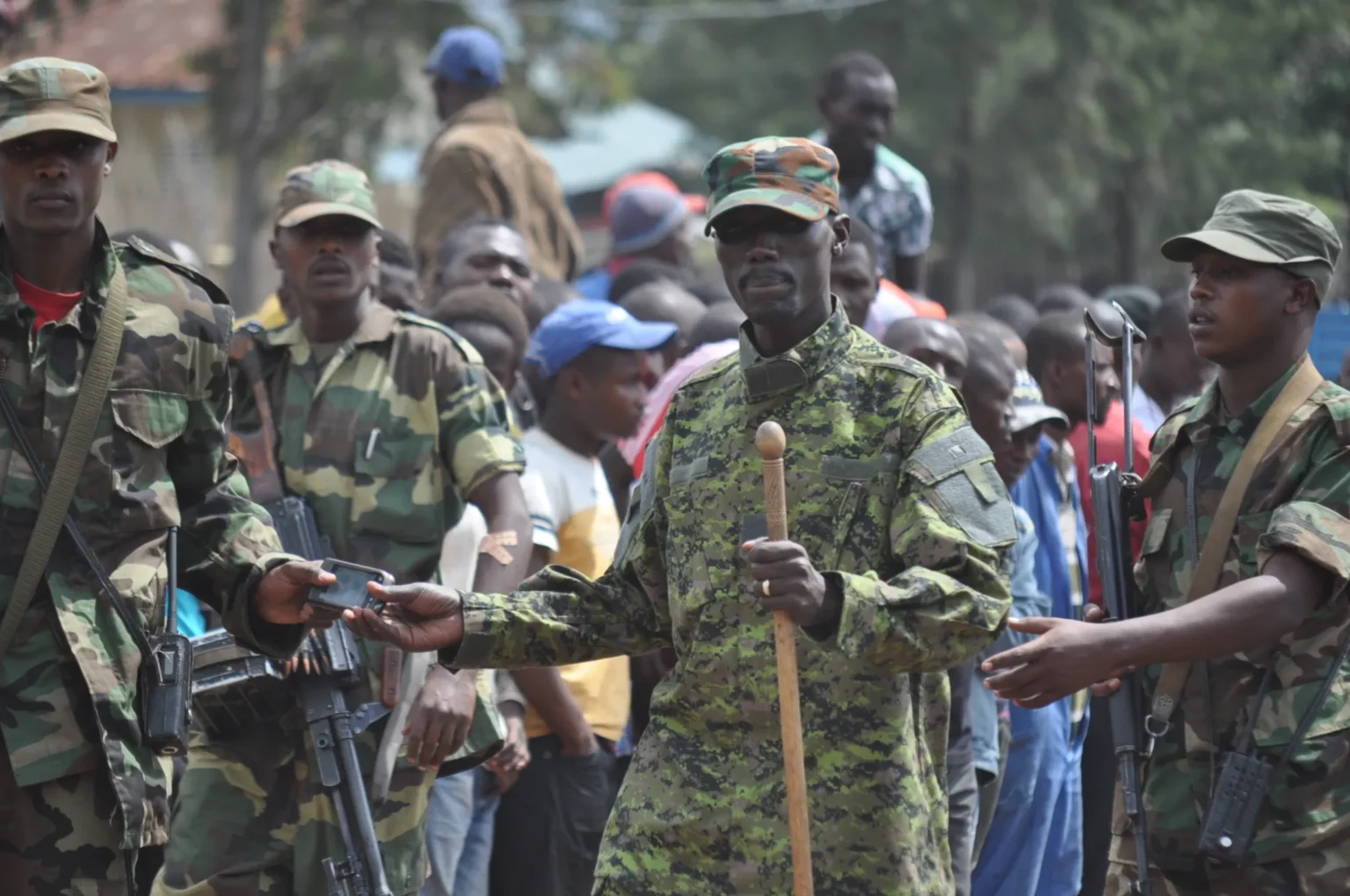
UVIRA, DR Congo — The capture of the strategic port city of Uvira in the eastern Democratic Republic of Congo (DRC) by the Rwanda-backed March 23 Movement (M23) marks a massive escalation in the conflict, confirming the immediate failure of a high-profile, Trump-brokered peace agreement signed just days prior.
Uvira, located on the shores of Lake Tanganyika near the Burundian border, was the temporary headquarters of the Kinshasa-appointed provincial government for South Kivu, following the rebel capture of the provincial capital, Bukavu, in February 2025.
The fall of Uvira gives M23 a major strategic gateway and increases fears that the conflict will spill over into neighboring Burundi.
The recent offensive in Uvira represents the latest phase in a long-running, resource-driven conflict in eastern DRC.
1. Origin of the M23 Movement (2012): The M23 formed in 2012 as a mutiny by Congolese Tutsi soldiers who were previously part of the CNDP (National Congress for the Defence of the People), a Rwandan-backed militia. They were integrated into the DRC army (FARDC) under a 2009 peace agreement, but mutinied, citing the DRC government’s failure to fully implement the accord and to protect ethnic Tutsi communities from discrimination.
2. The first defeat and resurgence (2013–2021): The movement initially achieved major success, capturing the North Kivu capital of Goma in 2012. However, following immense international pressure and a sustained offensive by the DRC army backed by a robust UN Force Intervention Brigade (FIB), the M23 was defeated in 2013, with its fighters fleeing into neighboring Rwanda and Uganda. The group remained largely dormant until late 2021, when it re-emerged with renewed strength, sophisticated military equipment, and significant territorial gains.
3. The 2025 offensive and mineral wealth: Since the resurgence, M23 has quickly become the most formidable armed group in the region, seizing Goma and Bukavu in 2025. UN experts and the DRC government consistently accuse Rwanda of providing direct military support, including troops and heavy weaponry, a claim Kigali repeatedly denies. This phase of the conflict is heavily linked to control over the DRC’s vast mineral resources, such as coltan, a key component for electronic devices—which are allegedly trafficked through rebel-controlled territory and into neighboring countries.
4. The crumbling peace deal (December 2025): The Uvira offensive began almost immediately after a major diplomatic push. On December 4, 2025, DRC President Felix Tshisekedi and Rwandan President Paul Kagame formally signed the Washington Accords for Peace and Prosperity in the U.S. capital, mediated by U.S. President Donald Trump. The accord was intended to end the decades-long conflict, calling for a permanent ceasefire, the withdrawal of all foreign troops, and a new framework for economic integration.
However, the peace deal crumbled within days:
- December 8: Deadly clashes intensify in South Kivu, with M23 advancing on towns like Luvungi.
- December 9–10: President Tshisekedi publicly accused Rwanda of violating the agreement, stating that the new fighting was “proof that Rwanda doesn’t want peace.”
- December 10–11: M23 forces entered Uvira. While a rebel spokesperson claimed the city was “liberated,” and the Congolese army reportedly retreated to protect civilians, the advance demonstrated a clear disregard for the recently signed peace commitments.
Humanitarian and regional consequences
The latest offensive has dramatically worsened one of the world’s largest humanitarian crises. The UN reports that over 200,000 people have been displaced in recent days due to the fighting around Uvira, adding to the millions already displaced across North and South Kivu provinces since the M23’s resurgence.
The conflict’s expansion to Uvira brings instability right to the border of Burundi.
Burundi’s Foreign Minister accused Rwanda of attacking Burundian towns and helping destabilize the region, labeling the M23 advance a “slap in the face” to the US-brokered deal.
Both the U.S. and regional leaders have issued calls for M23 and the Rwandan military to cease offensive operations and withdraw immediately.