

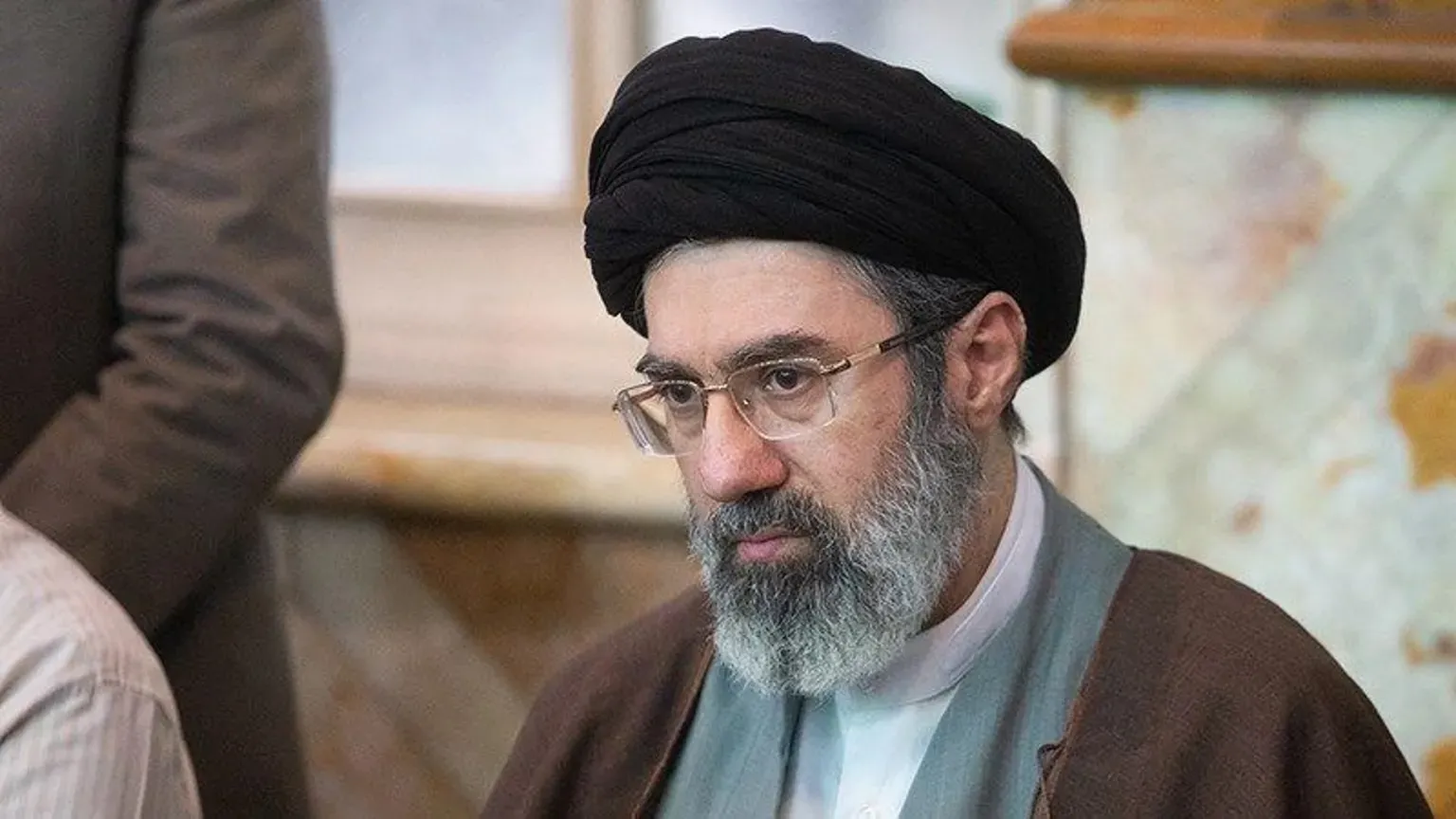
TEHRAN, Iran — Iran’s powerful Islamic Revolutionary Guard Corps (IRGC) has pledged allegiance to Mojtaba Khamenei after Iranian state media reported that the cleric had been elected as the country’s new Supreme Leader, succeeding his father, Ali Khamenei.
According to the state news agency Islamic Republic News Agency (IRNA), Iran’s influential Assembly of Experts, the clerical body tasked with appointing the country’s supreme authority, selected Mojtaba Khamenei following the death of his father during recent military strikes.
Ali Khamenei, who had ruled the Islamic Republic since 1989, was killed during U.S.–Israeli military strikes that targeted senior Iranian leadership and strategic facilities, according to Iranian state media reports.
In a statement carried by IRNA, the IRGC declared its loyalty to the new leader.
The force expressed “respect, devotion and obedience” to Mojtaba Khamenei and pledged “full obedience and self-sacrifice” in carrying out his orders.
Ali Khamenei had been one of the longest-serving leaders in the Middle East, shaping Iran’s political system and foreign policy for nearly four decades. His death triggered a 40-day national mourning period across the country.
Who is Mojtaba Khamenei?
At 56 years old, Mojtaba Khamenei is a mid-ranking Shiite cleric who studied in the seminaries of Qom, widely regarded as the intellectual centre of Iran’s religious establishment.
Although he has never held elected office, analysts have long viewed him as one of the most influential figures behind the scenes in Iranian politics.
During his father’s rule, Mojtaba was frequently described by political observers as a powerful insider operating within the Islamic Republic’s inner circle.
He is widely believed to have built strong ties with the IRGC, the elite military organisation responsible for protecting the Islamic Republic and projecting Iranian power across the region.
Those connections, analysts say, have helped consolidate his influence among conservative factions within Iran’s political and security establishment.
Debate over succession
Mojtaba Khamenei’s rise to Iran’s highest authority has sparked debate among political analysts and critics.
Some argue that appointing the son of the previous supreme leader risks creating a hereditary leadership structure, a concept that leaders of the Iranian Revolution had originally rejected.
Also Read: Inside the covert US–Israel operation that killed Iran’s Ali Khamenei
However, supporters within Iran’s security and political establishment say the transition could ensure continuity at a time of significant geopolitical pressure.
Iran is currently facing heightened tensions with both Israel and the United States following the strikes that killed Ali Khamenei and several senior officials.
Leadership tested amid regional tensions
Mojtaba assumes leadership during one of the most volatile periods in Iran’s modern history.
The country is navigating both the aftermath of the assassination of its long-time leader and an intensifying regional confrontation.
Analysts say the early support of the IRGC, one of Iran’s most powerful institutions, could quickly solidify Mojtaba Khamenei’s authority.
However, ongoing geopolitical tensions and internal political dynamics may test the stability and durability of his leadership in the months ahead.
Iranian officials have called for national unity as the country confronts both external threats and a major transition in leadership.