


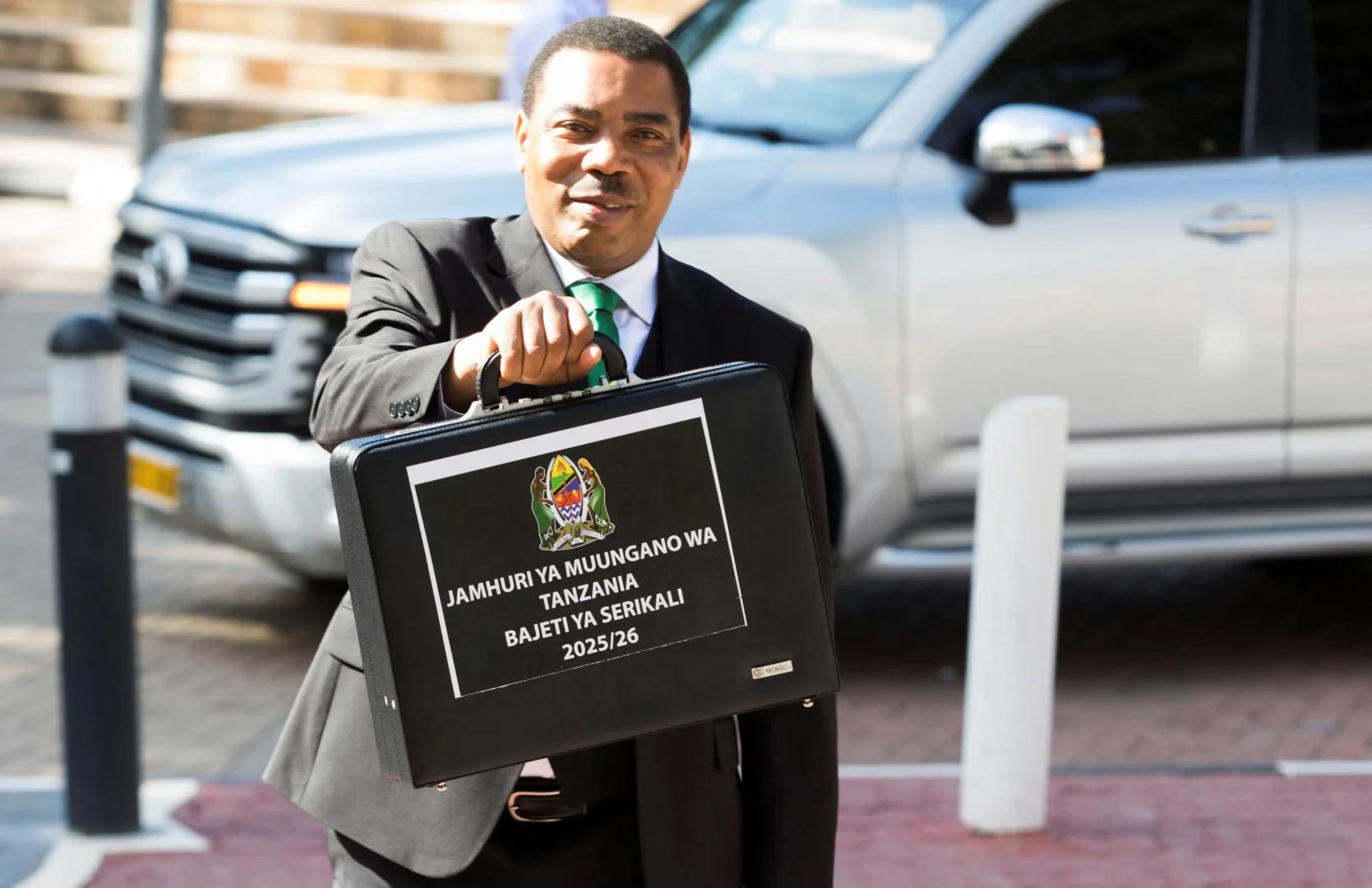
DAR ES SALAAM, Tanzania — Tanzanian President Samia Suluhu Hassan has appointed former finance minister Mwigulu Nchemba as the country’s new Prime Minister, a move confirmed by a near-unanimous parliamentary vote on Thursday. The appointment follows a disputed presidential election last month that led to deadly clashes.
Mr. Nchemba, a veteran politician and loyalist, previously served in the cabinet under both President Hassan and her predecessor, John Magufuli. His confirmation was expected, as President Hassan was declared the landslide winner of the October 29 vote.
Upon his appointment, Nchemba stated his commitment to diligent work in his new position. The political timing of the appointment is significant, as human rights groups continue to raise alarms about the violence that followed the recent election.
Post-election violence and allegations
The presidential election outcome, in which President Hassan was declared the winner after her main challengers were excluded from the ballot, has been strongly contested by opponents who accuse the government of rigging the vote and suppressing dissent.
- UN Human Rights Office: The UN Human Rights Office has stated that it believes hundreds of people were killed in protests that erupted after the election.
- Opposition claims: The main opposition party and some human rights activists have claimed that security forces killed more than 1,000 people.
The Tanzanian government has rejected the opposition’s figures, stating the death toll is exaggerated, but has not provided its own official casualty count.
President Hassan, who took office in 2021 after Magufuli’s death, has consistently rejected criticism of her human rights record and defended the fairness of the election.
Focus on economic growth and loyalty
The new Prime Minister, who has been a member of parliament since 2010 and previously served as the deputy secretary-general of Hassan’s Chama Cha Mapinduzi (CCM) party, takes office with an eye on national development.
Also Read: UN probes Tanzania’s deadly election chaos: Reports of mass killings, hidden bodies emerge
Tanzania forecasts its economy will grow by 6% this year, a rate partially supported by large-scale infrastructure projects in roads, railways, and power generation.
Budget spending is projected to increase by about 12% this fiscal year to fund these projects, despite cuts in foreign aid from international partners, including the United States.
Political analyst Richard Mbunda from the University of Dar es Salaam noted that Nchemba’s consistent presence in the cabinet, surviving all reshuffles since Hassan came to power, demonstrates the President’s profound trust in him.
