


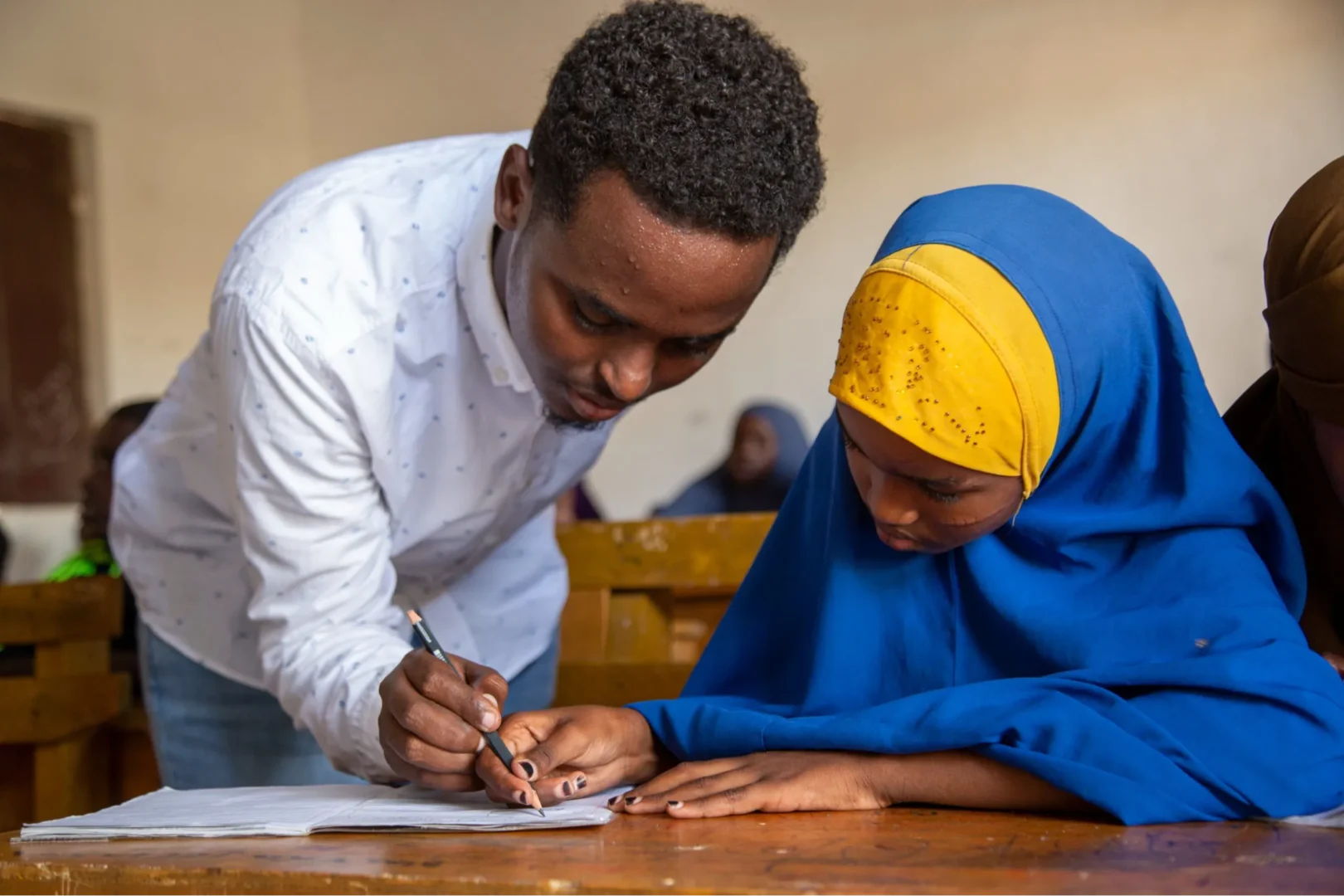
MOGADISHU, Somalia — Somalia is set to introduce Swahili, the primary lingua franca of East Africa, into its national educational curriculum for schools and universities, according to an announcement by President Hassan Sheikh Mohamud.
The declaration was made at a summit of the East African Community (EAC), currently taking place in the Somali capital, Mogadishu. Somalia officially joined the eight-nation regional trading bloc last year, aiming to stimulate economic growth following three decades of conflict and instability.
Swahili, which is among the world’s 10 most widely spoken languages with over 200 million speakers, will become a key focus for educational institutions.
President Mohamud emphasized the strategic importance of the language adoption: “The country’s universities, especially the Somali National University, should focus more on developing the Swahili language, which is the language of East Africa,” he said.
He added that the policy is essential for regional cohesion: “Adopting Swahili is important for our integration into the region.”
Education Minister Farah Sheikh Abdulkadir echoed the president’s ambitions, expressing the government’s broad vision for Swahili’s role nationwide. At the EAC gathering, the Minister stated: “We want to see Swahili become a language of communication, trade and learning – even replacing English during our next conference.”
Background and growing usage
The move formalizes a trend already developing on the ground. Swahili dialects are currently spoken along Somalia’s southern coast, and the language’s use has expanded in recent years, partly as a consequence of the 1991 civil war.
The instability drove hundreds of thousands of people across the border to neighboring Kenya, where many learned Swahili through the Kenyan education system.
Also Read: Martha Karua’s deportation from Tanzania exposes cracks in East African integration
The eventual return of some of these fluent speakers, coupled with the long-term presence of the African Union (AU) peacekeeping troops since 2007, has facilitated the language’s growth.
Swahili often serves as the common language among AU soldiers, many of whom originate from East African member states.
Currently, English is the language of instruction for most secondary school subjects nationwide, with Arabic being the only other compulsory second language.
While the primary school curriculum is now taught in Somali (the official national language), English remains the medium for higher education, and Arabic is utilized in madrassas (Islamic schools).
