


KAMPALA, Uganda — A new study has revealed that Uganda’s District Service Commissions (DSCs), which are tasked with hiring local government workers, have been compromised by widespread corruption.
The report, titled “An Assessment of the Cost and Extent of Corruption in Recruitment by the District Service Commissions in Uganda,” was recently released by the Inspectorate of Government (IG) in collaboration with the Economic Policy Research Centre at Makerere University.
The study paints a damning picture, suggesting that bribery is not a rare occurrence but a systemic issue in public service recruitment. According to the findings, 82% of job seekers identified bribery as the most common form of corruption in the hiring process.
Between 2018 and 2022, a staggering Shs 29 billion in bribes was actually paid by applicants, out of Shs 78 billion that was demanded. On a national scale, this translates to an estimated Shs 42.3 billion in bribes paid annually.
The cost of a job varies by position, with senior roles fetching between Shs 40 million and 50 million, while entry-level jobs like nursing assistants or Grade III primary school teachers require bribes of approximately Shs 3 million. The education sector saw the highest bribe requests, while the health sector recorded the largest actual payments.
The study confirms what many Ugandans have long suspected: who gets hired often depends more on money than on merit. Applicants reported that bribery and solicitation by DSC members were the key factors influencing hiring decisions.
Nepotism and political connections also played a role. Furthermore, researchers uncovered irregularities such as forged academic documents, impersonation, fake adverts, and instances where the names of non-applicants were “sneaked in” for appointment.
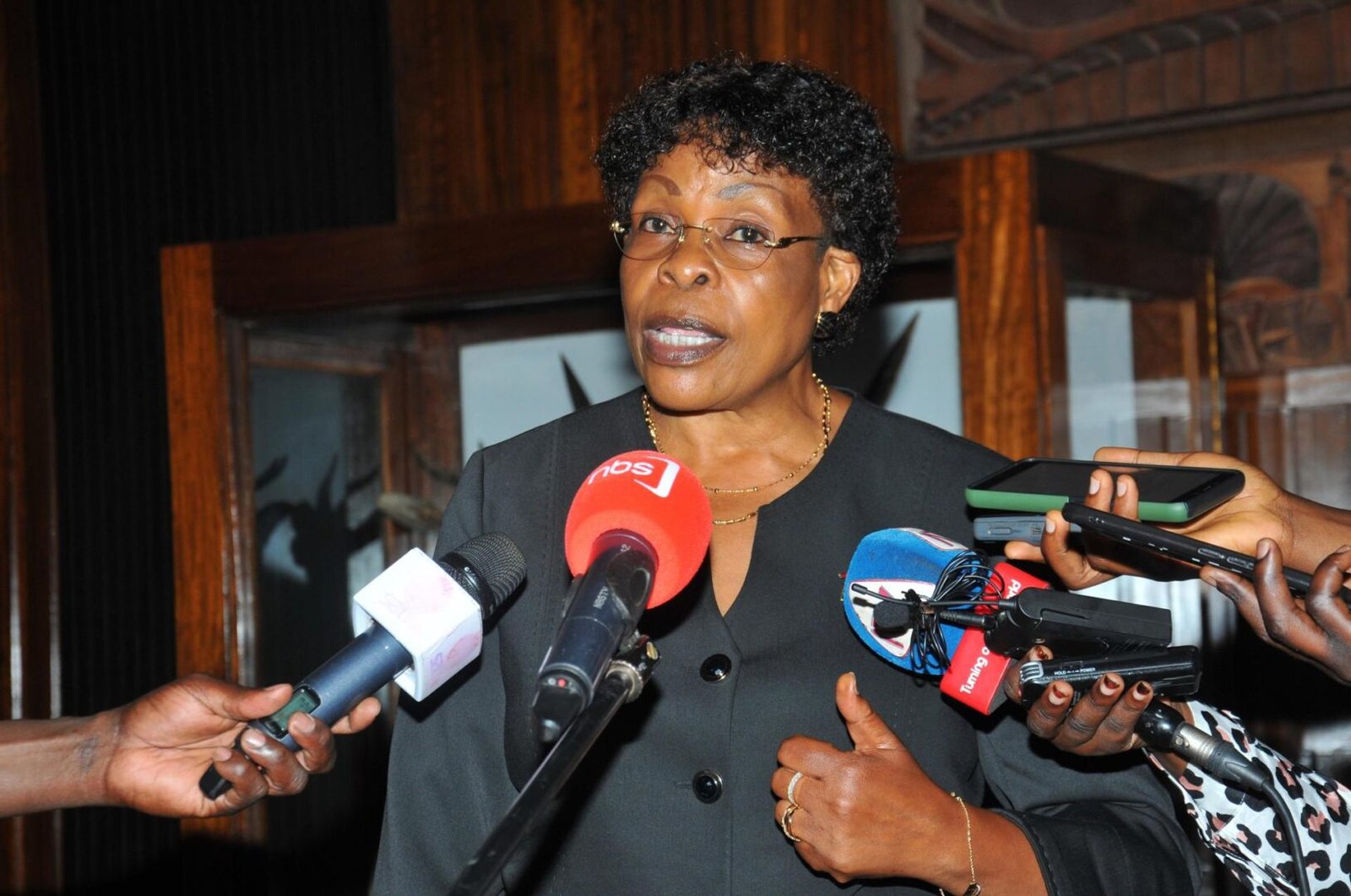
Inspector General of Government Beti Kamya Turwomwe wrote in the report’s foreword that “The corruption allegations in recruitment include forgery, bribery, political interference, utterance of false documents, favoritism and nepotism.”
She added, “These practices undermine the quality of employees hired, compromise public service delivery, and often lead to significant financial losses to both government and job seekers.”
The report identifies several factors that have entrenched this corruption, including high unemployment, which makes desperate applicants willing to pay. It also notes that DSC members, who are often appointed through politically influenced processes, may be indebted to local power brokers.
The commissions themselves are underfunded, and many members are poorly paid, creating incentives for bribe-taking. Manual recruitment processes also make direct solicitation easier.
Also Read: Uganda’s national ID registration exercise marred by bribery claims, 11 arrested
As the report notes, “Political interference and influence peddling in the appointment of the District Service Commission members are prevalent, compromising the integrity and independence of the Commissions.”
The costs of this corruption extend far beyond the billions siphoned from applicants. Hiring based on bribes rather than merit means that under-qualified individuals may staff classrooms, health centers, and local government offices. This, in turn, leads to the poor-quality services that Ugandans experience daily.
To address the problem, the study recommends sweeping reforms, including changing how DSC members are appointed, improving funding and remuneration for commission members, and rolling out e-recruitment systems to minimize face-to-face interactions.
The report concludes that without these reforms, the dream of efficient, citizen-centered service delivery will remain out of reach.
