



NAIROBI, Kenya — A Saudi Arabian appeals court has overturned a controversial ruling sentencing Kenyan domestic worker Esther Wanja Muthoni to 100 lashes for having a child outside marriage, following an appeal pursued by the Kenyan government.
The decision by the Court of Appeal in the Riyadh Region reverses a judgment issued by the Criminal Court in Riyadh, offering Muthoni significant relief after months of legal uncertainty that had left her stranded in the Gulf country with her young son.
Foreign Affairs Principal Secretary Korir Sing’Oei announced the development on Saturday, November 28, saying Kenya’s diplomatic mission in Saudi Arabia was now working with the relevant authorities to facilitate her return home.
“Pleased to announce that following an appeal against the widely reported sentence of Esther Muthoni to corporal punishment of 100 lashes, the Court of Appeal, Riyadh Region, has overturned the decision of the Judgement of the Criminal Court of Riyadh,” Sing’Oei said.
He expressed appreciation to Saudi judicial authorities for considering Kenya’s appeal and commended the diplomatic mission for pursuing the matter over the preceding month.
“Our Mission in Saudi is presently working to facilitate her return,” he added.
Although the ruling removes the reported 100-lash sentence, the government has not announced when Muthoni and her child will travel to Kenya.
The legal status of a separate one-year banishment order reported alongside the original punishment has also not been clarified publicly.
How Esther Muthoni’s case unfolded
Muthoni, a 40-year-old Kenyan mother of five, was working as a domestic worker in Saudi Arabia when she became pregnant following a relationship with an Egyptian man who reportedly left the country.
She gave birth to a boy in August 2025 while living in staff accommodation. Reports indicate that she was subsequently taken to hospital, where authorities questioned her about the pregnancy.
Her circumstances became increasingly difficult after the child’s father reportedly left Saudi Arabia, leaving her to navigate the situation without his support.
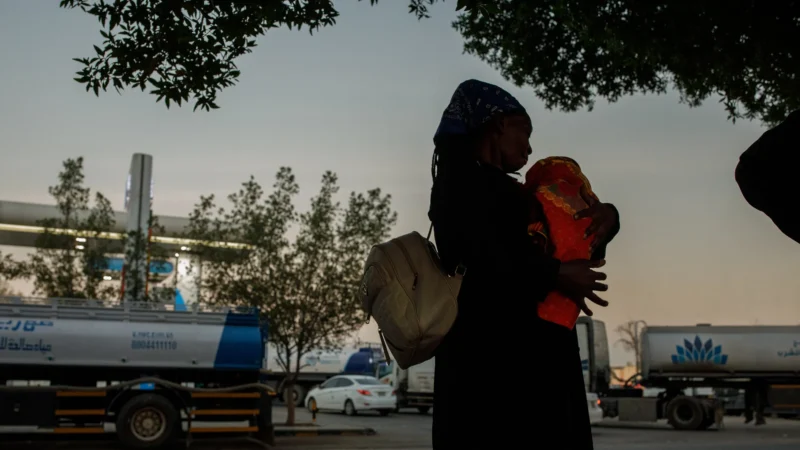
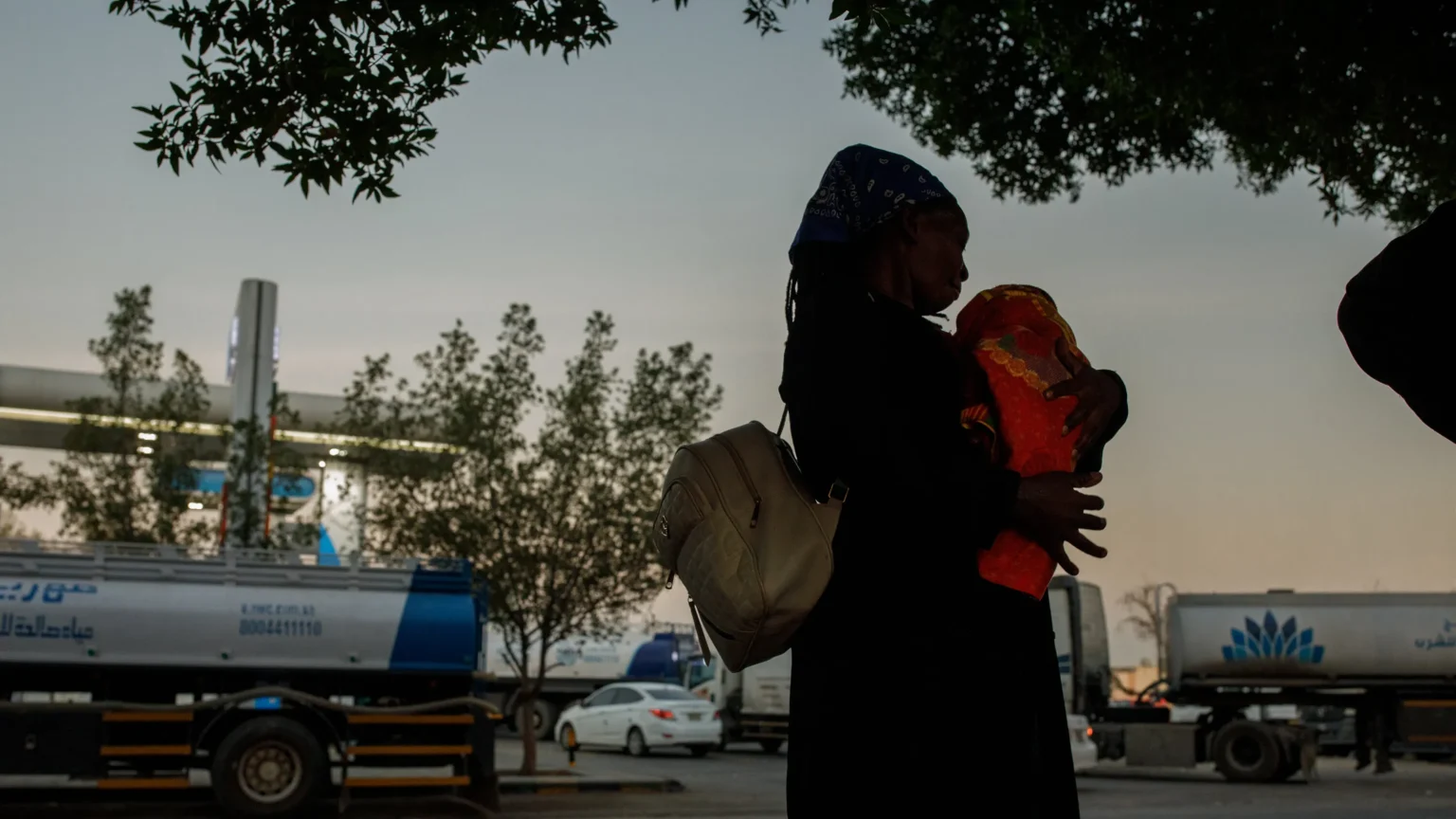
Muthoni and her son faced homelessness after losing access to their accommodation. At one point, she reportedly lived at a petrol station while trying to find a way to return to Kenya.
Her situation attracted wider attention after international reporting highlighted the difficulties she faced, including challenges obtaining the documentation required for her child’s return.
According to reporting by The New York Times, the child’s lack of a birth certificate complicated efforts to secure their departure. A recruitment company that had brought Muthoni to Saudi Arabia later intervened and provided accommodation.
Kenyan authorities subsequently issued travel documents for the mother and child, but the pending criminal proceedings prevented them from leaving the country.
Court ruling sparked diplomatic intervention
In October 2026, a three-judge panel at a criminal court in Riyadh sentenced Muthoni to 100 lashes after finding her guilty of having sexual relations outside marriage.
The proceedings were conducted under Saudi Arabia’s legal framework, where sexual relations outside marriage are criminalised.
The punishment attracted public concern in Kenya, particularly because Muthoni was a migrant worker who had been struggling to return home with her child.
Reports on the proceedings also raised questions about her access to legal assistance. Although she reportedly had an interpreter during the hearings, she did not have legal representation.
The case placed Kenya’s Foreign Affairs and Diaspora Affairs ministries under pressure to secure diplomatic intervention and prevent the sentence from being carried out.
Sing’Oei had earlier indicated that the government would engage Saudi authorities to find a resolution to what he described as a complex legal situation.
The successful appeal marks a significant development in those diplomatic efforts, although the government has yet to disclose the legal grounds on which the appellate court overturned the lower court’s judgment.
What happens next for Muthoni and her child?
With the 100-lash sentence overturned, attention has shifted to completing the arrangements required for Muthoni and her son to leave Saudi Arabia.
Sing’Oei said Kenya’s mission was working to facilitate their return, but did not provide a departure date or explain whether further immigration or legal procedures remained outstanding.
The reported expiry of their earlier travel documents adds another practical challenge that diplomatic officials may need to address.
It is also not yet clear whether the appellate ruling removed every element of the original judgment, including the reported one-year banishment order.
The immediate priority is therefore to secure the necessary clearances and travel documentation so that the mother and child can return safely.
Case renews scrutiny of protections for Kenyan migrant workers
Muthoni’s experience has also brought renewed attention to the challenges facing Kenyan domestic workers abroad, particularly those who become stranded after disputes with employers, family difficulties or encounters with foreign legal systems.
For many Kenyan families, overseas employment remains an important source of income. However, workers can face significant vulnerabilities when they lack independent legal assistance, reliable accommodation, valid immigration documents or effective access to their country’s diplomatic mission.
Also Read: State of betrayal: How Kenya’s leaders profit from the abuse of workers in Saudi Arabia
The Ministry of Foreign Affairs has previously acknowledged difficulties involving Kenyan mothers and children born in Saudi Arabia who encounter documentation barriers.
In November 2025, the ministry said it had collected 707 DNA samples and engaged Saudi authorities, leading to the return of 59 Kenyan mothers and 73 children after emergency travel documents were issued.
It also reported that approximately 500 victims had been repatriated to Kenya since 2022 and that 600 recruitment agencies considered rogue had been deregistered.
These figures illustrate the scale of the consular and labour-protection challenges confronting Kenyan authorities as citizens seek employment in the Gulf region.
Muthoni’s case demonstrates why diplomatic intervention must extend beyond responding to high-profile legal disputes.
Workers also need accessible consular support, reliable recruitment oversight and assistance when their employment or immigration circumstances deteriorate.
For now, the appeals court’s decision offers Muthoni a major reprieve. The next test for Kenya’s diplomatic mission will be ensuring that she and her child can finally leave Saudi Arabia and reunite with their family at home.