

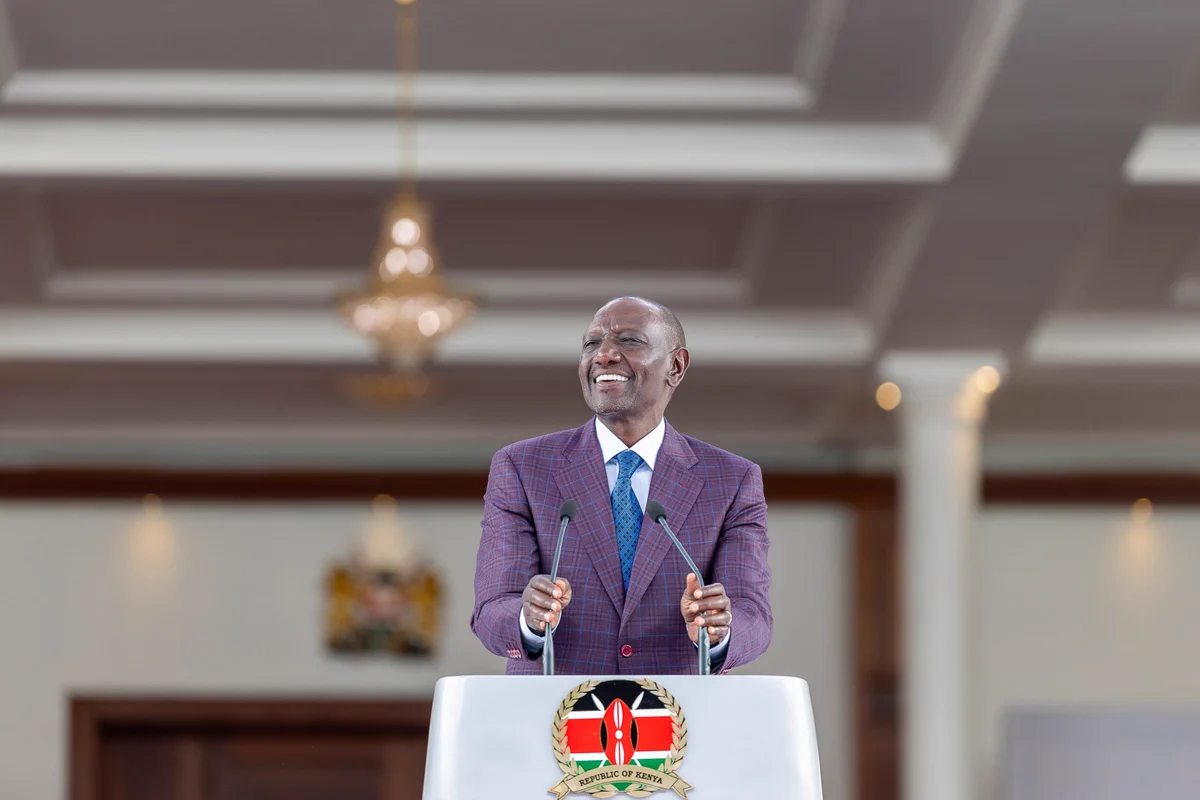
NAIROBI, Kenya — President William Ruto has announced an additional Ksh5 billion for the Hustler Fund and higher borrowing limits for millions of regular borrowers, in a fresh push to expand access to affordable credit among Kenyans excluded from conventional banking.
The expansion will allow approximately 4.5 million regular borrowers to qualify for individual loans of up to Ksh150,000 through the fund’s bridge loan facility, significantly widening the financing options available to eligible users.
Ruto said the additional capital would strengthen the programme’s lending capacity and make affordable financing more accessible to individuals seeking money for personal and business needs.
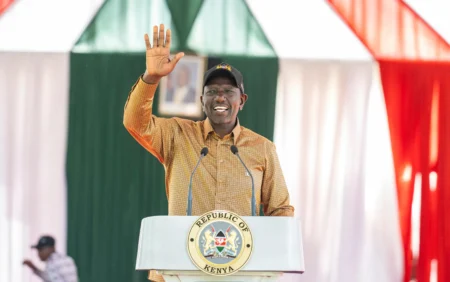
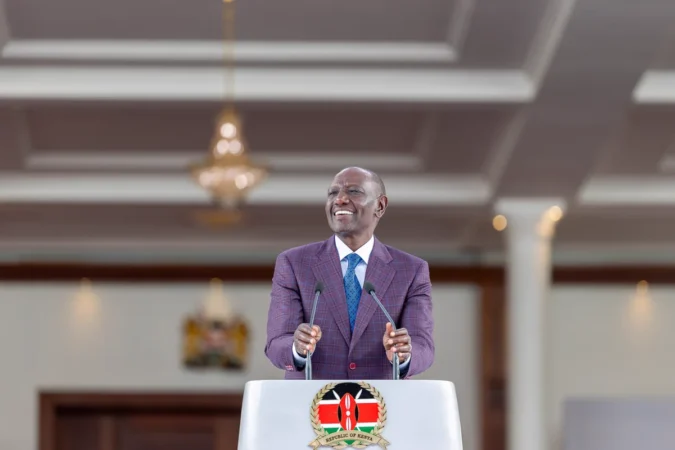
“We are injecting an additional Ksh5 billion into the Hustler Fund to make more affordable credit readily available to borrowers. Additionally, we are enhancing borrowing limits for 4.5 million regular borrowers, through the bridge loan facility, offering individual loans of up to Ksh150,000,” Ruto stated.
The announcement signals another expansion of one of the government’s flagship financial inclusion programmes, which was established to provide unsecured loans to individuals and small-scale entrepreneurs who often struggle to access credit from commercial banks.
However, the increased borrowing ceiling does not mean every beneficiary will automatically receive Ksh150,000. The actual amount available will depend on individual eligibility and the fund’s lending conditions.
Who qualifies for the new Ksh150,000 Hustler Fund loans?
The enhanced borrowing limits are targeting 4.5 million regular borrowers who have established a borrowing and repayment history with the Hustler Fund.
Under the bridge loan arrangement, qualifying individuals will be able to access loans of up to Ksh150,000, providing an opportunity to secure larger amounts than those available under the programme’s ordinary borrowing arrangements.
The facility is designed to reward consistent borrowers by extending access to additional credit based on their established relationship with the fund.
For small traders, informal businesses and entrepreneurs who frequently face difficulties obtaining financing without collateral, the higher limits could provide additional working capital to purchase stock, expand operations or meet business expenses.
Nevertheless, access to larger loans also increases the importance of responsible borrowing and repayment. Borrowers will need to assess their ability to repay before taking on additional financial obligations, particularly where business income is unpredictable.
The government has not indicated in the announcement that all 4.5 million targeted borrowers will immediately receive the maximum amount.
Ruto plans Hustler Fund loans for groups and associations
Beyond increasing individual borrowing limits, Ruto has directed the Hustler Fund management to develop a group financing product that will allow organised associations and other groups to access loans and distribute the funds among their members.
The proposed arrangement would introduce a collective borrowing option alongside the programme’s existing individual lending facilities.
It could widen financing opportunities for organised groups whose members require capital for small businesses, trade and other income-generating activities.
For example, members of business associations and organised community groups could potentially access financing through a shared borrowing arrangement rather than relying exclusively on individual loan applications.
However, the practical impact will depend on how the new product is structured, particularly its eligibility requirements, repayment responsibilities, loan distribution procedures and safeguards against disputes among members.
The government is yet to provide detailed operational guidelines for the proposed group financing facility.
How much has the Hustler Fund disbursed since its launch?
Launched in November 2022 as the Financial Inclusion Fund, the Hustler Fund was designed to provide affordable, unsecured credit to individuals and micro, small and medium-sized enterprises that have limited access to conventional financial services.
Ruto said during the October 2026 Mashujaa Day celebrations in Eldoret that the programme had disbursed Ksh98 billion to more than 10 million regular borrowers.
The president also pledged to inject another Ksh5 billion into the facility before the end of the year, a commitment that the latest announcement seeks to fulfil.
The programme has since become a central part of the administration’s financial inclusion agenda, particularly its efforts to extend credit to people operating in Kenya’s informal economy.
On November 13, 2026, Principal Secretary for Internal Security Raymond Omollo said more than 25 million Kenyans accessed the fund daily to obtain credit for running and expanding businesses.
The figure highlights the government’s claimed reach for the programme, although daily access and the cumulative number of regular borrowers represent different measures and should not be treated as equivalent.
The fund also incorporates a savings component intended to encourage financial discipline among borrowers.
Under the arrangement, five per cent of every approved loan is directed towards savings, with the remaining 95 per cent transferred to the borrower through mobile money.
The savings are divided between short-term and long-term savings, allowing participants to accumulate funds while accessing credit.
The model is intended to address two financial challenges simultaneously: limited access to affordable loans and the low level of formal savings among many Kenyans.
What the additional Ksh5 billion means for ordinary Kenyans
The latest allocation comes as small businesses and informal traders continue to face financing challenges, particularly where commercial lenders require collateral, established credit histories or other financial guarantees.
By increasing the fund’s lending capacity and raising borrowing limits for established users, the government is seeking to make more capital available to entrepreneurs operating outside traditional banking arrangements.
For a small retailer, for instance, access to additional financing could help replenish stock, purchase equipment or respond to increased customer demand.
For other borrowers, the facility could provide a financial cushion when conventional lending options are inaccessible.
However, the expansion also raises questions about the long-term sustainability of government-backed lending.
Increasing the amount of money available for borrowing does not automatically guarantee that businesses will grow or that household incomes will improve.
Also Read: Hustler Fund borrowers can now repay using Safaricom Bonga points
The programme’s effectiveness will ultimately depend on whether borrowers can use the money productively, repay their loans and build sustainable economic activities.
Transparency over loan performance, repayment rates, defaults, administrative costs and the actual number of active borrowers will therefore be important in assessing whether the fund is delivering lasting economic benefits.
Ruto links Hustler Fund expansion to wider economic growth
The additional financing forms part of Ruto’s broader economic agenda, which places financial inclusion and support for small enterprises at the centre of efforts to expand economic opportunities.
During his Mashujaa Day address in Eldoret on October 20, 2026, the president also highlighted developments in Kenya’s capital markets and foreign investment.
He said the value of the country’s stock market had increased from Ksh2 trillion in 2022 to Ksh4.2 trillion.
Ruto further reported that foreign direct investment had risen from Ksh194 billion in 2022 to Ksh413 billion in 2025.
The figures formed part of the government’s argument that its economic policies were helping to strengthen investment and expand opportunities.
Nevertheless, the success of the Hustler Fund will be judged not simply by the amount of money injected or the number of loans issued, but by whether ordinary Kenyans experience measurable improvements in business performance, employment and household incomes.
With another Ksh5 billion earmarked for lending and millions of borrowers targeted for higher credit limits, the next phase of the programme will test whether expanded access to government-backed loans can deliver sustainable financial inclusion.