




NAIROBI, Kenya — The government has warned content creators, social media influencers and charitable organisations against publishing photographs, videos and personal information of vulnerable children to solicit donations, saying the practice could violate their privacy and dignity.
In a statement issued on Tuesday, November 17, the State Department for Children Services, under the Ministry of Gender, Culture and Children Services, raised concern over the growing use of children’s images and personal stories to attract public sympathy, promote charitable activities and raise funds.
The department acknowledged the contribution of individuals, organisations, development partners and well-wishers who support vulnerable children and families, noting that their efforts complement government initiatives aimed at improving children’s welfare.
However, it cautioned that charitable work must be conducted in a manner that protects children’s rights and serves their best interests.
“The State Department recognises and appreciates the important role played by individuals, organisations, development partners and well-wishers in supporting vulnerable children and families. Such efforts complement Government initiatives aimed at improving children’s welfare and protection,” the statement read in part.
The department warned that a child’s vulnerability should not become a tool for publicity, fundraising or personal gain at the expense of their privacy.
“Charitable activities and humanitarian interventions must respect children’s rights, dignity and best interests. A child’s vulnerability should never be used for publicity, fundraising or personal gain at the expense of their privacy and dignity,” it added.
Principal Secretary Carren Ageng’o said individuals who unlawfully publish information identifying children risk penalties of up to KSh500,000 in fines, imprisonment for up to 12 months, or both.
Rules for fundraising involving children
The State Department called on content creators, influencers, charitable organisations and other stakeholders to stop the unauthorised collection, sharing and publication of children’s photographs and personal information, particularly for fundraising and publicity.
It outlined safeguards that organisations and individuals should observe when conducting charitable activities involving minors.
First, fundraising initiatives must prioritise the safety, dignity and welfare of the children they seek to support.
The department also cautioned against disclosing information that could expose a child’s identity or private circumstances, including their family background, medical condition and living conditions.
Organisations collecting or using children’s personal information must obtain informed consent from parents or legal guardians before taking or publishing photographs and videos.
The department further emphasised that a child’s age, maturity and views should be considered when handling their personal data.
“Secure informed consent from parents or legal guardians before collecting and processing children’s personal data, including photographs and videos, in accordance with the law. The child’s age, maturity and views should also be considered,” the ministry said.
Growing use of social media for charitable fundraising
Social media platforms have increasingly become avenues through which Kenyans organise emergency appeals and raise money for vulnerable people, including children facing difficult circumstances.
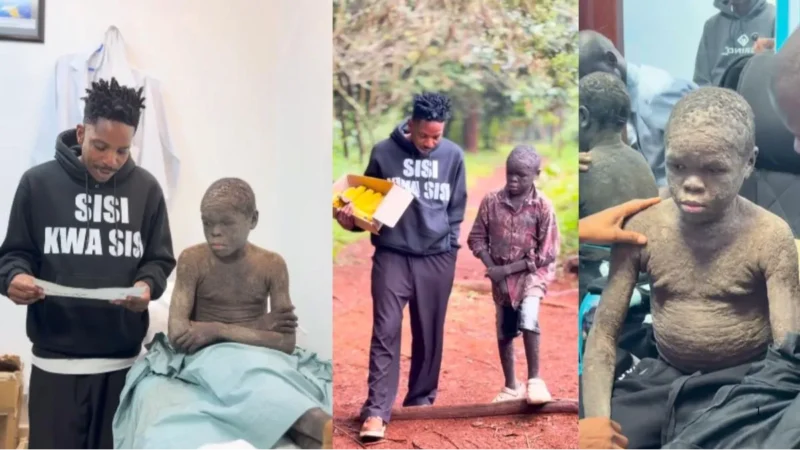
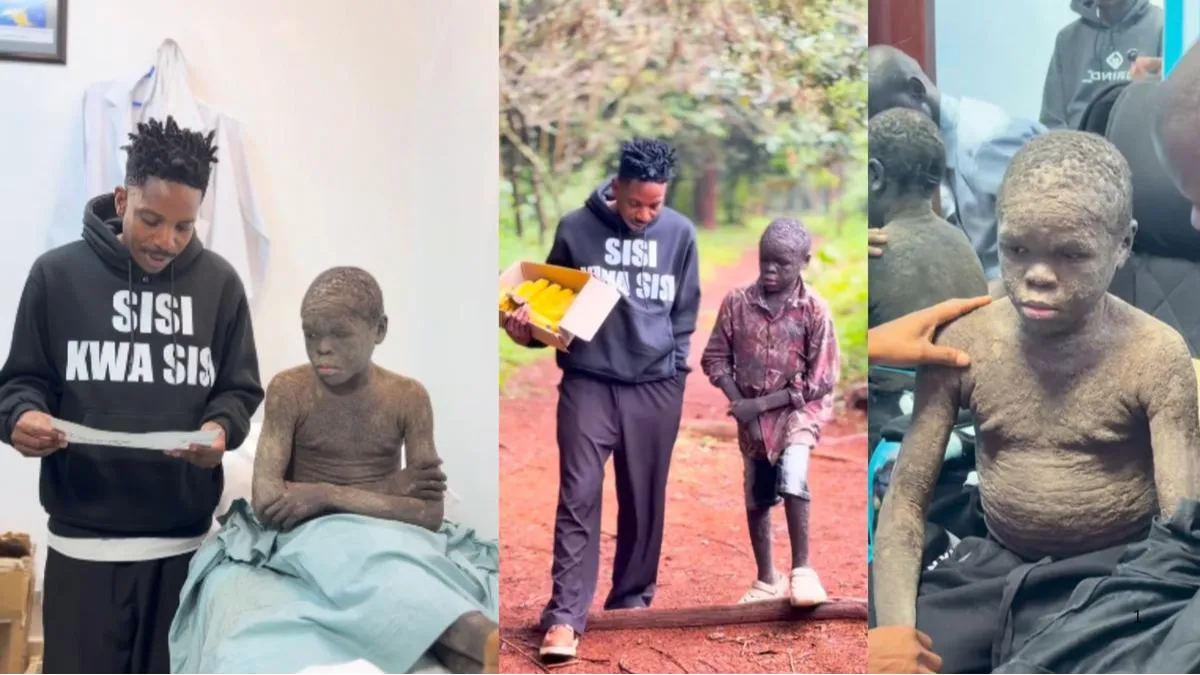
Some content creators and influencers have used their online following to mobilise donations, with photographs and videos of beneficiaries often forming part of appeals intended to demonstrate their needs and show how contributions are being used.
Also Read: Eric Omondi raises Sh8.8 million for Bungoma boy battling rare skin disease
While such campaigns have helped attract public support, the government’s latest warning highlights the risks of exposing children to unwanted public attention and the unauthorised circulation of their personal information.
The department’s position is that charitable intentions do not override a child’s right to privacy, dignity and protection.
The warning places greater responsibility on individuals and organisations conducting online fundraising to ensure that their campaigns comply with child-protection and data-privacy requirements, while safeguarding the interests of the children they intend to help.