

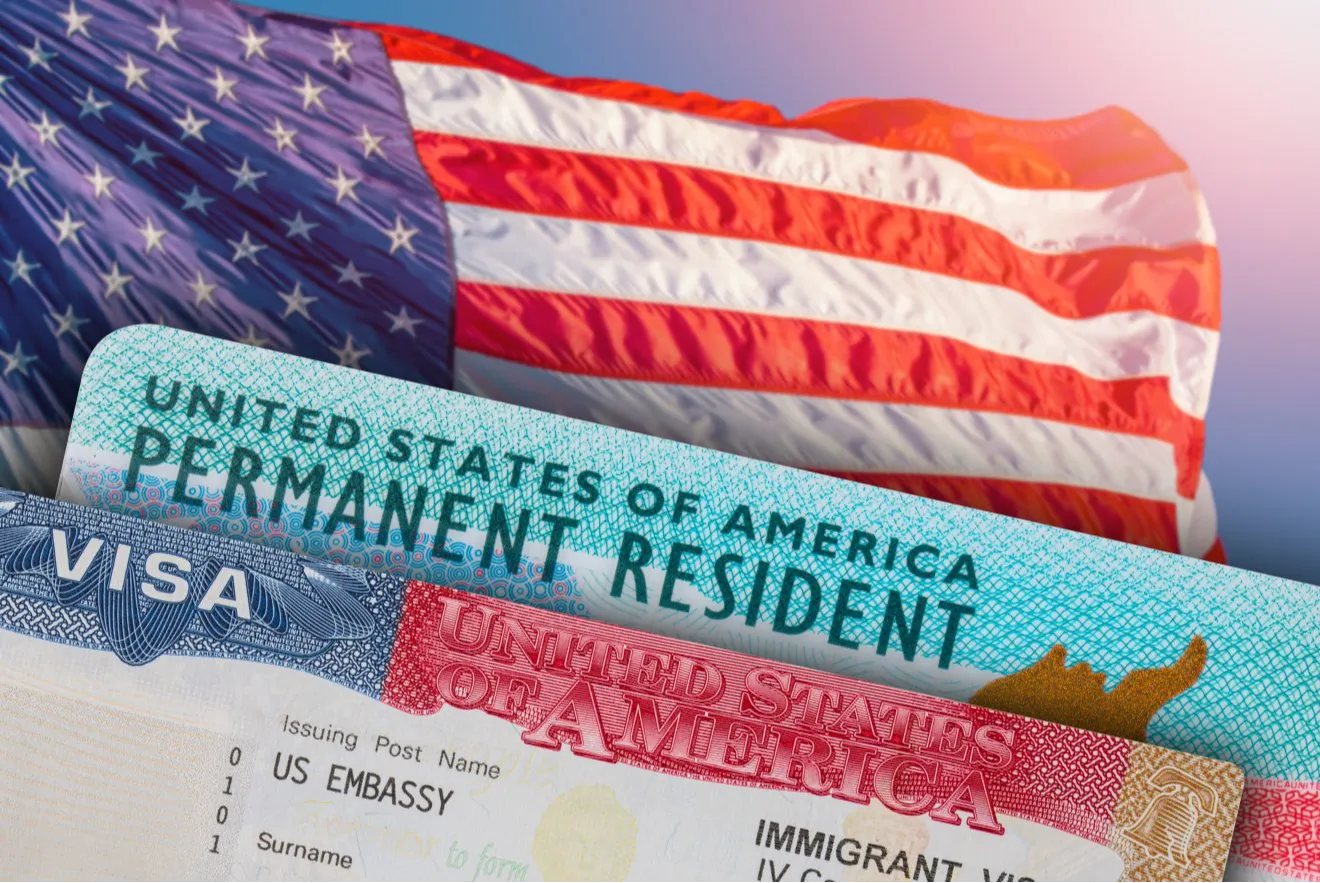
WASHINGTON, D.C., United States — A United States federal judge has struck down a Trump administration immigration rule that sought to impose fixed limits on how long international students, exchange visitors and foreign journalists could remain in the country.
US District Judge F. Dennis Saylor IV of the District of Massachusetts issued the ruling on Monday, November 16, 2026, declaring that the Department of Homeland Security (DHS) regulation was unlawful and exceeded the agency’s authority.
In his judgment, Saylor described the policy as “arbitrary, capricious, an abuse of discretion, and otherwise not in accordance with law”, ordering that the entire regulation be vacated under the Administrative Procedure Act.
The decision followed a lawsuit brought by a coalition of higher education organisations and labour unions representing university employees, teachers and journalists against the DHS.
The coalition argued that the proposed restrictions would disrupt international education, undermine academic freedom and impose unnecessary administrative and financial burdens on universities and foreign students.
Saylor granted the plaintiffs’ application for summary judgment while rejecting the government’s opposing application, bringing the case to a final decision at the district court level.
Why the judge rejected Trump’s visa restrictions
In his ruling, Saylor raised concerns about the impact of the proposed regulations on international students, particularly those enrolled in academic programmes requiring more than four years to complete.
The judge argued that the policy would undermine educational opportunities that Congress had intended to protect through the country’s immigration laws.
“Put bluntly, DHS is seeking to prevent or discourage the very activity — providing educational opportunities for foreign students in the United States — that Congress sought to permit and encourage,” Saylor said.
He further noted that the proposed restrictions could prevent international students from pursuing extended academic programmes, including doctoral degrees, obtaining joint qualifications or changing their academic specialisations.
The court also questioned the government’s justification that stricter visa controls were necessary to address immigration fraud and national security concerns.
Saylor said DHS had failed to adequately consider less restrictive alternatives, including making better use of existing monitoring and reporting systems used to track international students.
What Trump’s proposed visa rules would have changed
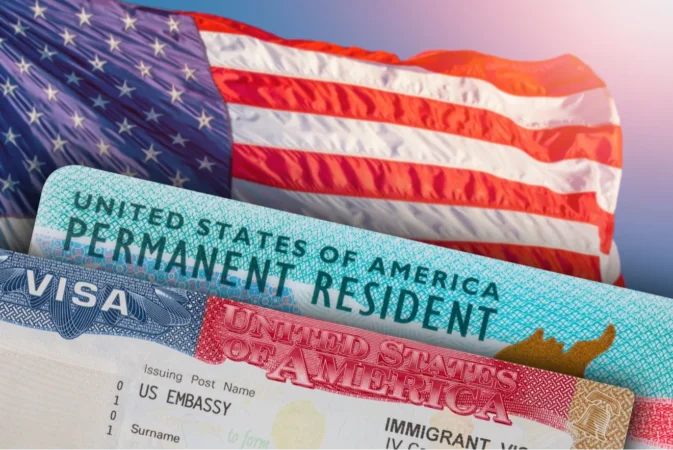
The regulation, published by DHS in July 2026, sought to replace the longstanding duration-of-status system with fixed periods of admission for international students, exchange visitors and foreign media representatives.
Under the proposed changes, international students holding F-1 visas would have been permitted to remain in the United States for a maximum of four years, or until the end of their approved academic programme if earlier.
Those requiring additional time would have needed to apply for extensions rather than automatically maintaining their immigration status for the duration of their studies.
The proposed restrictions also covered exchange visitors, including international researchers, professors and instructors under J-1 visa arrangements.
Foreign journalists entering the United States under I visas would have faced a maximum stay of 240 days, approximately eight months, with the possibility of applying for extensions.
Journalists from China would have been subject to a shorter initial admission period of 90 days, also renewable through extensions.
Previously, international students were generally permitted to remain in the country for the duration of their authorised academic programmes, while foreign media representatives could receive admission periods of up to five years.
The new regulations were scheduled to take effect on September 15, 2026, but Saylor issued a nationwide preliminary injunction on September 14, temporarily preventing their implementation while the legal challenge proceeded.
The November 16 judgment went further by vacating the entire final rule rather than merely postponing its commencement.
What the ruling means for international students and journalists
The latest decision preserves the longstanding duration-of-status framework for international students and exchange visitors, subject to any subsequent court action.
It also removes the proposed fixed admission periods and extension requirements that would have affected foreign journalists working in the United States.
However, the ruling does not exempt international students, exchange visitors or journalists from existing immigration and visa requirements.
The Trump administration had previously appealed Saylor’s September preliminary injunction to the US Court of Appeals for the First Circuit.
That earlier appeal concerned the temporary injunction rather than the November 16 final judgment. The government may separately challenge the latest decision, and the final outcome could depend on subsequent appellate proceedings.
The judgment therefore represents a significant legal setback for the administration’s efforts to tighten immigration controls through restrictions on the duration of non-immigrant stays.
US universities face uncertainty over international enrolment
The dispute has also raised broader questions about the impact of immigration policy on American universities and their ability to attract international students.
The United States remains one of the world’s leading destinations for international higher education, with more than 1.1 million international students enrolled during the 2023-2024 academic year, according to official education statistics.
Also Read: 2027 Green Card Lottery: US court delivers fresh blow to applicants
Universities and higher education organisations have argued that uncertainty over visa conditions could discourage prospective students, disrupt long-term academic programmes and make it more difficult for institutions to recruit international researchers and scholars.
The lawsuit was supported by organisations including NAFSA: Association of International Educators, the Presidents’ Alliance on Higher Education and Immigration, the American Federation of Teachers and The NewsGuild-CWA.
Their legal challenge centred on the argument that the government had failed to adequately assess the consequences of the proposed restrictions or demonstrate that the changes were necessary to achieve its stated immigration enforcement objectives.