

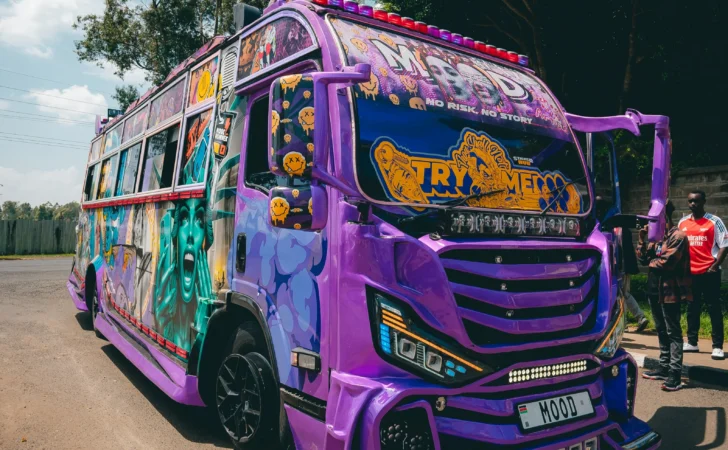



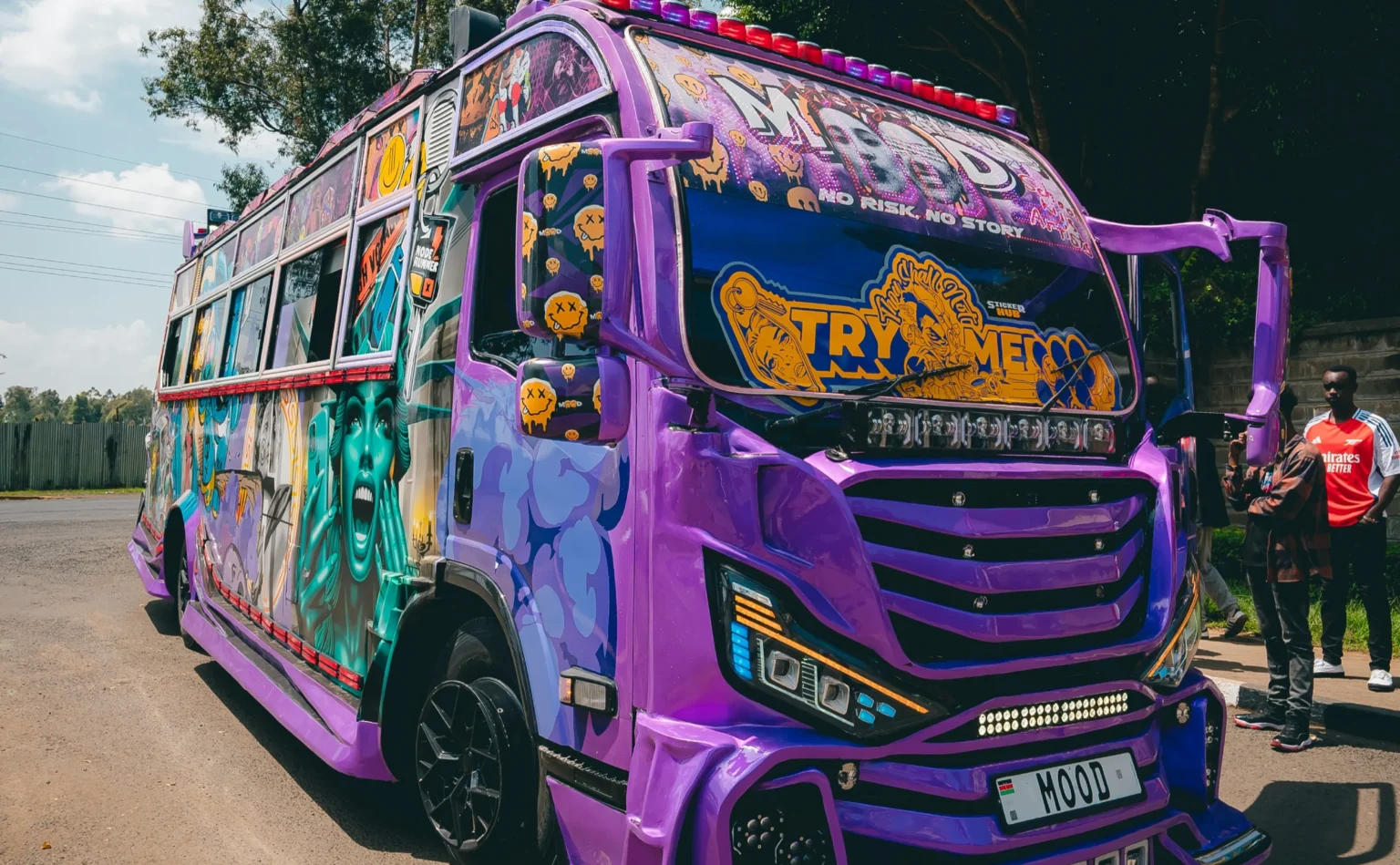
NAIROBI, Kenya — The Kenya Film Classification Board (KFCB) has intensified inspections of matatus and other public service vehicles (PSVs) fitted with entertainment screens to prevent children from being exposed to inappropriate audiovisual content.
The inspections, being conducted in collaboration with the National Police Service (NPS) and other stakeholders, target vehicles displaying videos and other material that may be unsuitable for young passengers.
In a warning issued on Tuesday, November 10, the Board cautioned operators against screening content that could expose children to harmful material, particularly as schools remain closed for the long end-of-year holidays.
“Operators of PSVs are cautioned against exhibiting inappropriate audiovisual content that may expose children to harmful material,” KFCB said.
The agency noted that increased travel during the December festive season was likely to see more children using public transport, either accompanied by their families or travelling alone.
It urged matatu and bus operators to take responsibility for the material displayed on onboard screens, ensuring that entertainment provided during journeys is appropriate for passengers of different ages.
KFCB also appealed to members of the public to report cases in which minors are exposed to inappropriate audiovisual content in public transport vehicles and other public or private spaces.
“Protecting children from exposure to inappropriate audiovisual content, both online and offline, is a collective responsibility that requires the vigilance and active participation of all stakeholders,” the Board stated.
Members of the public can submit complaints through the Board’s email address, info@kfcb.go.ke, or its official social media platforms for investigation and appropriate action.
KFCB expands child-protection inspections
The latest enforcement exercise follows an advisory issued by KFCB on October 27, announcing increased monitoring of online platforms and inspections of audiovisual premises over a three-month period to protect children from exposure to adult content.
The Board said it was working with other government agencies to strengthen compliance in entertainment establishments, including gaming hubs, where minors could encounter age-inappropriate material or be exposed to illegal filming.
Also Read: Ruto directs NTSA to allow Matatu graffiti within safety framework
KFCB also warned that the extended school holiday could increase children’s screen time, exposing them to unsuitable material through television, streaming platforms, social media and online gaming.
The regulator urged broadcasters, content distributors, exhibitors, video-show operators and gaming platform operators to comply with licensing requirements and film classification standards.
What the law says about exposing children to obscene content
The enforcement drive comes amid legal provisions aimed at protecting children from harmful material.
Under Section 22(3) of the Children Act, 2022, a person who, through an electronic system, network or other communication technology, transmits obscene material or otherwise makes it accessible to children commits an offence.
Upon conviction, the offence attracts imprisonment for a term not exceeding 10 years, a fine of up to Ksh2 million, or both.
The provision forms part of broader legal protections against child abuse, exploitation and exposure to harmful material, reinforcing the responsibility of content providers and operators to consider the safety of young audiences.