


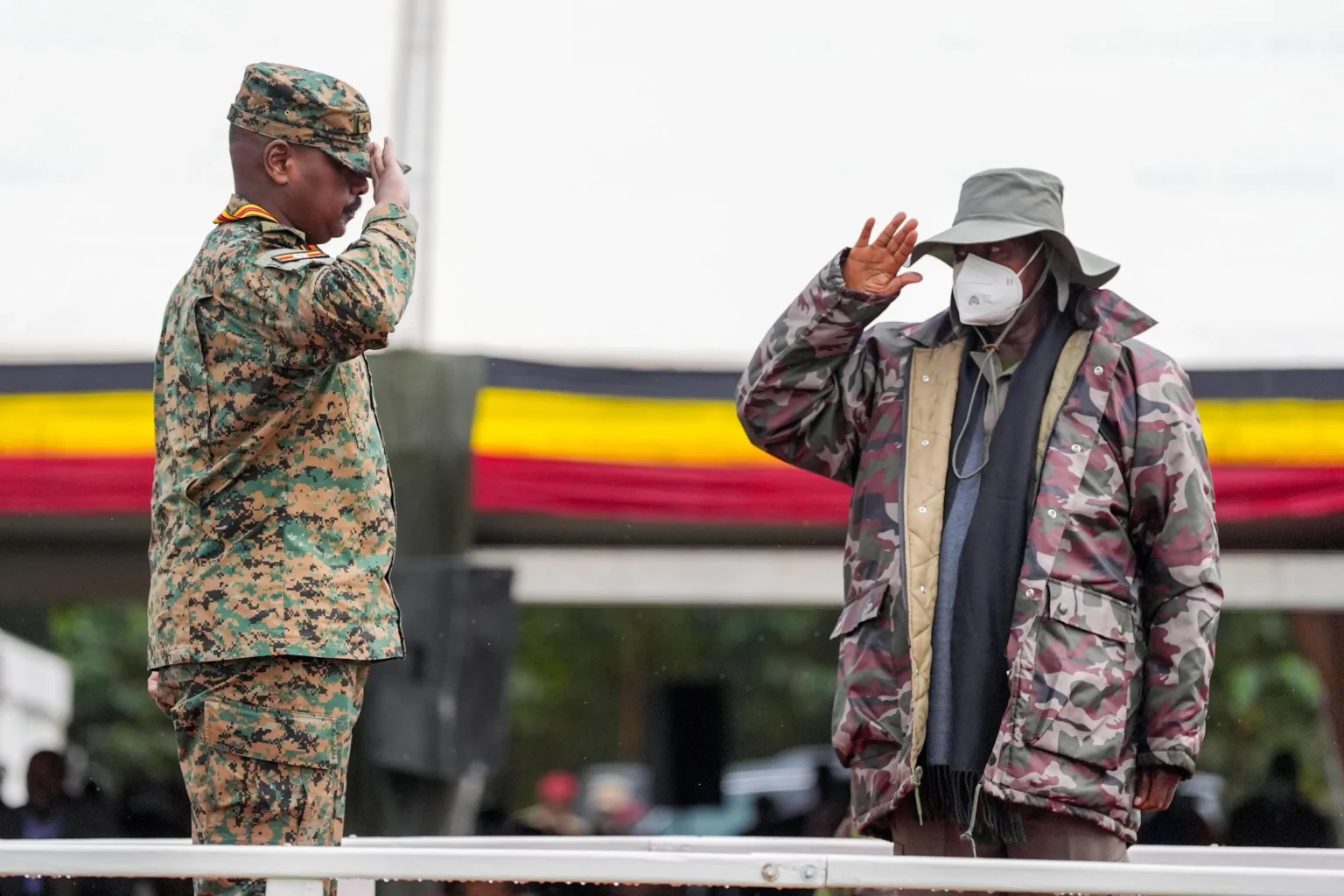
ENTEBBE, Uganda — Ugandan President Yoweri Museveni has brought the question of his succession before the ruling National Resistance Movement’s (NRM) top leadership, presenting a paper on the issue during a meeting of the party’s Central Executive Committee (CEC) at State House Entebbe.
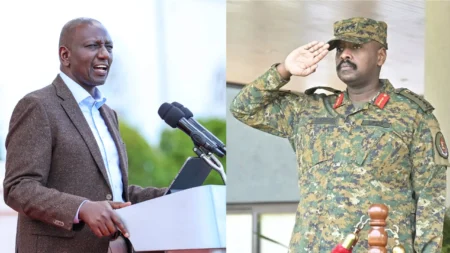
The discussions took place on Tuesday, October 27, 2026, amid growing efforts by supporters of Chief of Defence Forces (CDF) Gen Muhoozi Kainerugaba to position him for the 2031 presidential election.
The meeting has drawn attention to the possibility of a leadership transition within the NRM, which Museveni has led for decades. However, it remains unclear whether the committee reached a formal decision backing Muhoozi’s presidential ambitions.
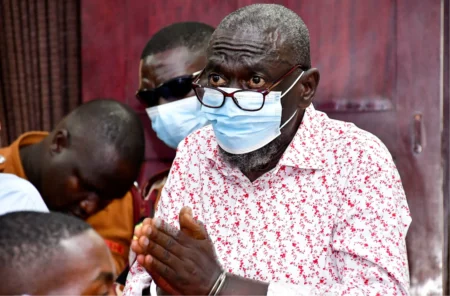
Kasambya County MP Daudi Kabanda, who serves as executive secretary in the Office of the National Chairman of the Patriotic League of Uganda (PLU), announced on X that Museveni had endorsed his son during the meeting.
Kabanda did not provide details of the alleged endorsement or establish whether it amounted to an official NRM decision on the party’s future presidential candidate.
Reports from the meeting suggest the succession paper was intended to set out the case for Gen. Muhoozi’s leadership.
Some accounts indicate that CEC members wanted the document circulated and the issue discussed further, including at a proposed retreat.
The committee’s final position has not been independently established.
Muhoozi’s 2031 presidential ambitions
The discussions come as Gen. Muhoozi’s supporters intensify efforts to build support for his anticipated presidential bid.
In August 2026, Reuters reported that Gen. Muhoozi had said he intended to contest Uganda’s 2031 presidential election.
His supporters have since continued political mobilisation through the PLU, including activities aimed at securing endorsements for his candidacy.
Those efforts have brought renewed attention to the relationship between Muhoozi’s political ambitions, the NRM and the party’s succession arrangements.
Muhoozi currently serves as Uganda’s Chief of Defence Forces (CDF), a position that places his military role at the centre of debate about his potential entry into electoral politics.
His supporters have cited his military leadership, anti-corruption messaging and nationwide mobilisation as reasons for backing him.
Those arguments represent the position of his backers rather than evidence of the extent of public support for his candidacy.
Museveni’s presentation of a succession paper to the CEC is therefore significant because it brings the issue into discussions at the highest levels of the ruling party. It does not, by itself, establish that Muhoozi has been selected as the NRM’s presidential candidate.
Museveni jokes about son’s social media posts
During the meeting, Museveni reportedly joked about Muhoozi’s often controversial activity on social media, saying he liked his son’s tweets.
Muhoozi has frequently used X to comment on political affairs, criticise opponents and express views that have generated public debate.
The president’s reported remark added a personal dimension to a meeting focused on a politically sensitive question: how the NRM will manage its leadership transition and determine who succeeds Museveni.
The president has historically avoided publicly identifying a successor, making the reported presentation of the paper a notable development in the party’s internal succession debate.
However, the available accounts do not establish that Museveni’s remarks about his son’s social media activity constituted a formal endorsement of his 2031 bid.
PLU-NRM relationship under scrutiny
The succession discussion has also raised questions about how the PLU and the NRM will work together.
The PLU has become a vehicle for supporters seeking to advance Gen. Muhoozi’s political profile. Some NRM members have reportedly expressed concern that the organisation could compete with the ruling party or weaken its established structures.
Accounts of the CEC meeting suggest Museveni urged party leaders to leave the matter to him while discussions continued on the relationship between the two organisations.
The president also reportedly addressed the construction of the NRM headquarters, a separate issue linked to the party’s organisational development and continuity.
How the NRM reconciles its existing structures with the growing political activity around Muhoozi remains an important question as preparations for the 2031 election gather pace.
NRM yet to clarify the outcome
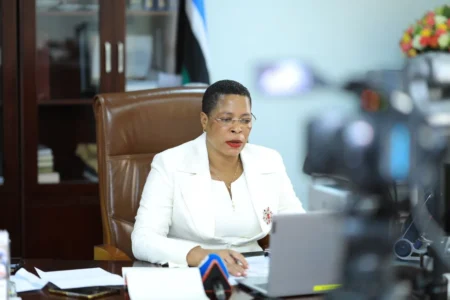
The meeting also reportedly drew attention because of the presence of Anita Among, the NRM’s second national vice chairperson for women.
State House website editor Nelson Bwire also weighed in on the debate, arguing that Muhoozi’s presidential ambitions were being advanced by supporters who believe he meets the requirements to lead Uganda, rather than simply being imposed on the country by Museveni.
Also Read: Uganda succession debate: What happens after Museveni?
That argument reflects the position of Gen. Muhoozi’s backers. Public endorsements and mobilisation by party officials, however, do not establish the level of nationwide support for a candidate or amount to a formal decision by the NRM.
Nile Post reported that it had contacted NRM Secretary General Richard Todwong, who said he would respond after consulting the CEC.
Until the party clarifies the outcome of the discussions, it remains uncertain whether the succession paper will lead to a formal NRM position on Gen. Muhoozi’s ambitions.
For now, the meeting has placed the question of who succeeds Museveni more directly on the ruling party’s agenda, while leaving open how the leadership will resolve the issue.