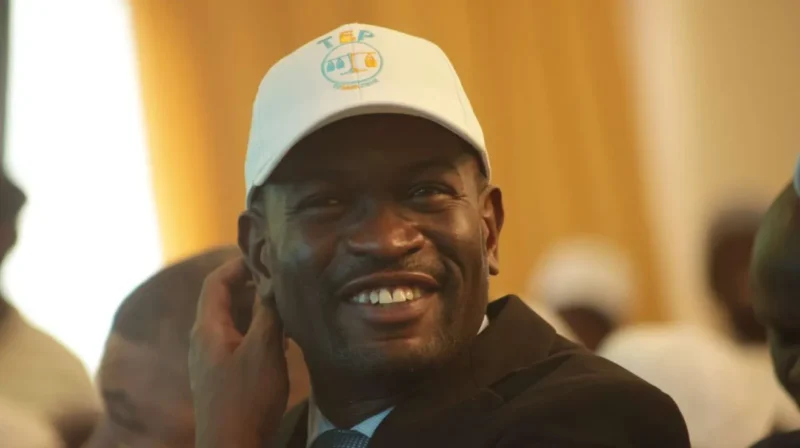



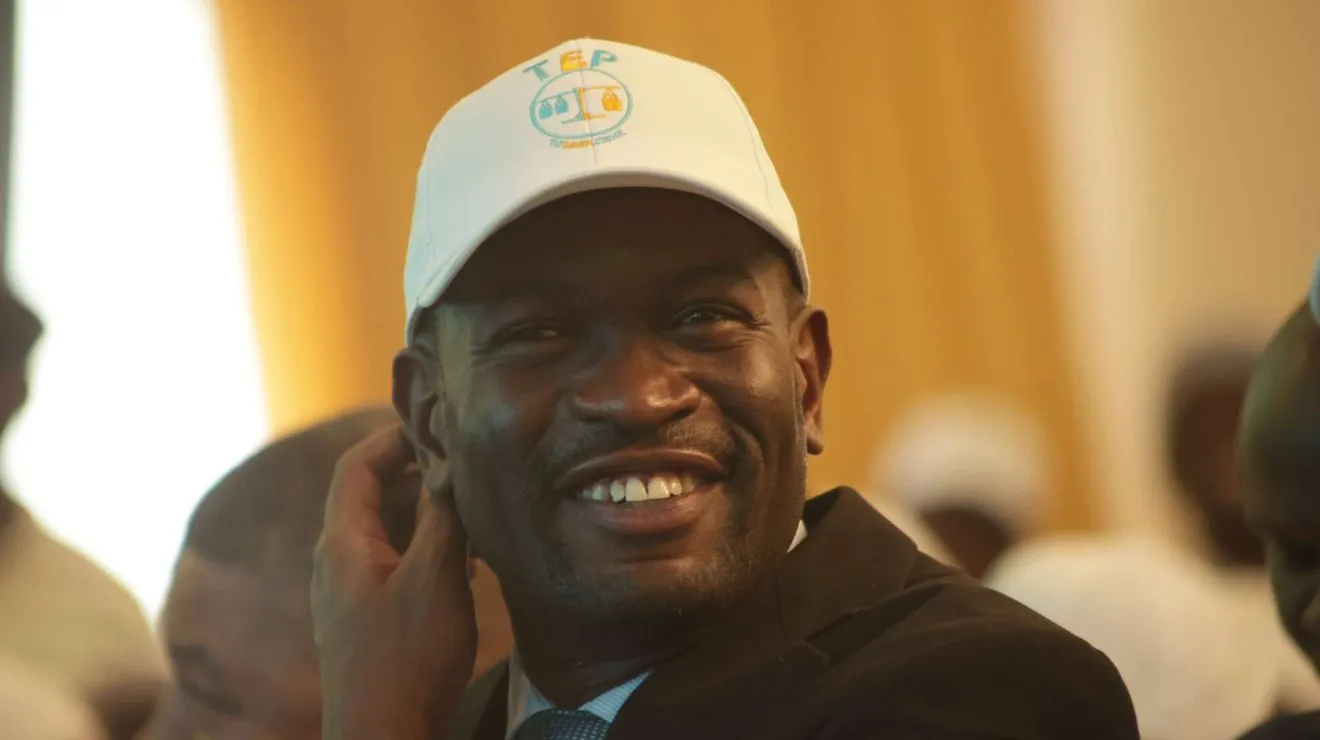
NAIROBI, Kenya — The Office of the Registrar of Political Parties (ORPP) has initiated the formal gazettement process to change The Equitable Party (TEP) to Linda Mwananchi Movement (LMM), advancing efforts by a group of political leaders associated with Nairobi Senator Edwin Sifuna to establish the movement under the proposed name.
In a letter dated October 13, 2026, Registrar of Political Parties John Lorionokou said his office had reviewed documents submitted in support of the proposed change and commenced the process under Section 20(1)(d) of the Political Parties Act.
The documents were submitted on October 8 following a resolution by TEP’s National Executive Committee (NEC) approving the proposed name change. They included the meeting notice and signed attendance list, statutory Form PP.10, and evidence that the proposed rebranding had been published in the Daily Nation and on the party’s official website.
The Registrar has asked the party to provide details of any public representations received after the statutory notice period and explain how any objections have been addressed, as required by law.
The development is a significant procedural step, but it does not mean the entire process has necessarily been completed. The proposed change must proceed through the applicable statutory requirements before the rebranding can be treated as final.
From a disputed name to formal gazettement
The latest development follows a dispute over the reservation of the Linda Mwananchi Movement name.
On September 30, the Political Parties Disputes Tribunal directed the Registrar to reconsider an earlier decision blocking the reservation of the name. The dispute arose after the ORPP raised concerns about the proposed name’s similarity to an existing political outfit.
The Registrar subsequently approved the reservation of the Linda Mwananchi Movement name in a letter dated October 1, following the tribunal’s ruling. The reservation was reported as valid for up to 90 days, giving the applicants a limited period to advance the necessary registration steps.
The distinction between reserving a party name and changing the name of an existing, registered political party is important.
Reservation protects a proposed identity while the relevant process advances; the current gazettement process concerns the formal change from The Equitable Party to Linda Mwananchi Movement.
The latest step therefore represents progress in the party’s rebranding effort, rather than grounds to disregard the remaining legal requirements.
What the law requires
Section 20 of the Political Parties Act sets out the procedure for changing a registered party’s name, symbol, slogan, colour or other specified particulars.
The process requires notification to the Registrar and publication of the intended change. Under the applicable provisions, the party must allow the statutory period for public representations, consider any objections received and notify the Registrar of the decision taken and the changes implemented. The Registrar must then be satisfied that the legal requirements have been met.
These requirements serve a purpose beyond administrative formality. A political party is a public institution governed by law, and changes to its identity should follow transparent procedures that allow interested parties to raise legitimate objections.
The ORPP’s role is to administer the legal framework, not to determine whether a political movement’s message is electorally attractive. Equally, a party’s political ambitions do not remove its obligation to comply with registration rules.
The earlier tribunal dispute also highlights the importance of predictable decision-making by the regulator. Political parties must be able to understand the legal basis for decisions affecting their registration, while the Registrar must apply the law consistently across competing political interests.
Why the Linda Mwananchi identity matters
The proposed rebranding carries political significance because the Linda Mwananchi Movement is associated with Sifuna, Embakasi East MP Babu Owino, Siaya Senator James Orengo and other leaders.
The name places ordinary citizens at the centre of the movement’s public identity. But a political label is only the starting point for establishing what an organisation represents. Its substance will depend on the policies it advances, the leadership structures it builds and the way it engages with voters.
For the movement, adopting the name through an existing political party offers a route to formalising its identity within Kenya’s multiparty system.
The legal process alone, however, does not establish how the organisation will approach key policy questions, coalition-building or candidate selection.
Those questions will become more consequential as political actors position themselves ahead of the 2027 General Election.
The movement will need to demonstrate what distinguishes its political programme, how it intends to organise nationally and what solutions it proposes on issues such as the cost of living, employment, public services and accountability.
These are the areas in which a political identity can be tested against public expectations rather than judged by its name or the prominence of its associated leaders.
What the move means for Kenya’s political landscape
The rebranding process comes amid continuing activity among political parties as leaders prepare for the next general election. In that environment, a formal party identity can provide an organisational framework for political mobilisation, policy development and electoral participation.
However, the emergence or rebranding of a political vehicle should not automatically be interpreted as evidence of a settled alliance, a split within another party or a guaranteed electoral outcome. Such conclusions require evidence of formal decisions, public declarations and subsequent political actions.
For now, the clearest development is institutional: the party has submitted the required documentation, and the Registrar has begun the gazettement process. The political implications will depend on what follows.
Also Read: Sifuna takes over The Equitable Party, securing his 2027 presidential vehicle
The movement’s leaders will also face the practical challenge of building a party that extends beyond its most visible personalities.
Effective political organisation requires functioning local structures, transparent decision-making, credible candidates and a programme that can be communicated consistently across the country.
The extent to which Linda Mwananchi Movement develops these elements will provide a more meaningful measure of its progress than the rebranding announcement alone.
The next steps to watch
The immediate focus is whether the statutory process proceeds without unresolved objections and whether the Registrar subsequently confirms that the name change has been effected.
Beyond the legal requirements, attention will turn to the movement’s organisational plans, policy priorities and relationships with other political parties.
The ORPP’s action marks progress towards a formal political identity for Linda Mwananchi Movement.
But the process also underscores a wider principle in Kenya’s multiparty democracy: political movements may seek new names and structures, but their legitimacy depends on compliance with the law, transparent organisation and the ability to articulate a clear programme to the electorate.
As the 2027 election approaches, the central question will be not merely whether the name Linda Mwananchi Movement is formally adopted, but what political organisation and public agenda ultimately take shape under it.