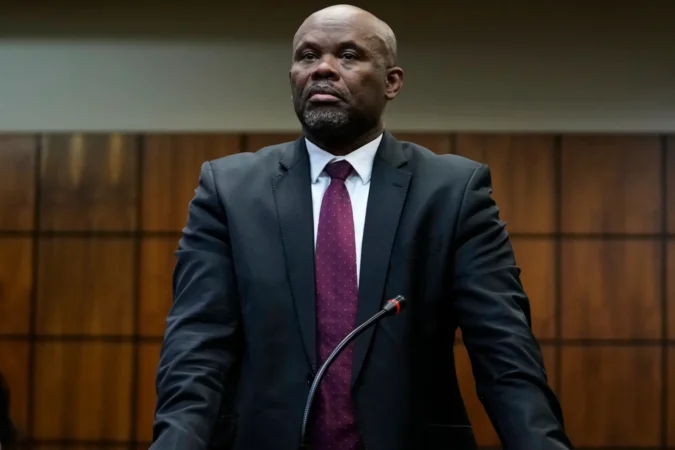


JOHANNESBURG, South Africa — South Africa’s suspended deputy national police commissioner, Lieutenant-General Shadrack Sibiya, has resigned from the police service while facing criminal charges involving alleged rape, sexual grooming and human trafficking, ending his career in the force amid a separate corruption inquiry.
The South African Police Service (SAPS) confirmed on Monday, October 12, 2026, that Sibiya’s resignation took immediate effect after his lawyer submitted the letter at the start of disciplinary proceedings against him.
The police service classified his departure as a “dishonourable discharge” because disciplinary proceedings were already under way.
Acting National Police Commissioner Puleng Dimpane said the disciplinary process could not continue after Sibiya ceased to be an employee of the service.
The classification relates to the circumstances of his departure from the police force; it is not, by itself, a criminal conviction or a judicial finding that he committed the alleged offences. Sibiya denies the allegations against him.
The resignation follows months of scrutiny over claims that senior police officers had links to organised crime figures and interfered with investigations.
Sibiya had been suspended since September 2025 after allegations emerged during a national controversy over police corruption.
Sibiya denies sexual offence allegations
Sibiya, 59, faces criminal charges relating to the alleged sexual grooming of a 16-year-old girl, the alleged rape of an 18-year-old woman and human trafficking. He has denied the charges.
He has acknowledged having sex with the 18-year-old but maintains that the encounter was consensual. The allegations have not been established in court.
Sibiya has remained in custody since his arrest in September. His bail proceedings were scheduled to continue on Tuesday, October 13, according to South African media reports.
His resignation from the police service does not end the separate criminal proceedings, which remain subject to the court process.
Madlanga Commission examines alleged police-crime links
The allegations against Sibiya have also featured in the Madlanga Commission of Inquiry, a judicial investigation into claims of corruption, criminal infiltration and interference within South Africa’s law enforcement system.
The commission was established by President Cyril Ramaphosa after KwaZulu-Natal police commissioner Nhlanhla Mkhwanazi publicly alleged in July 2025 that criminal networks had penetrated parts of the police service and that senior officials had interfered with sensitive investigations.
Sibiya was accused of interfering with investigations into political killings in KwaZulu-Natal, including through alleged efforts to undermine the Political Killings Task Team. He has denied wrongdoing.
He was also accused of receiving cash and 20 impalas from an alleged criminal kingpin in exchange for a police contract.
The allegations were aired during the commission’s proceedings, and Sibiya denied them. They remain allegations rather than established findings of criminal guilt.
The inquiry has become a major test of accountability in South Africa’s criminal justice system, examining claims that relationships between police officials, politically connected figures and suspected criminals compromised investigations.
Wider crisis in police leadership
Sibiya’s departure adds to the turmoil at the top of the South African Police Service, where allegations of political interference and criminal influence have triggered investigations and disciplinary action.
Also Read: Mugabe’s son pleads guilty to pointing a gun in South Africa
Former police minister Senzo Mchunu was suspended after the allegations emerged. He has denied wrongdoing. Ramaphosa subsequently appointed an acting minister while the controversy continued.
The police service’s decision to classify Sibiya’s departure as a dishonourable discharge means his exit will not be recorded as an ordinary resignation.
However, because he left before the disciplinary process could be completed, the allegations facing him were not resolved through that hearing.
His criminal case and the broader investigations into alleged police corruption are separate processes. The outcome of those proceedings will determine whether the allegations can be substantiated and whether further legal consequences follow.