


KAMPALA, Uganda — The Uganda Communications Commission (UCC) has distanced itself from recent arrests and seizures involving public Wi-Fi hotspot operators in parts of Kampala, saying the latest police operation followed complaints from licensed internet service providers.
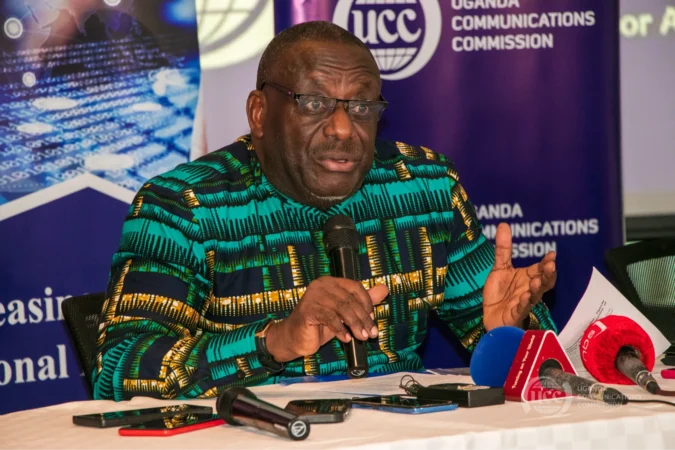
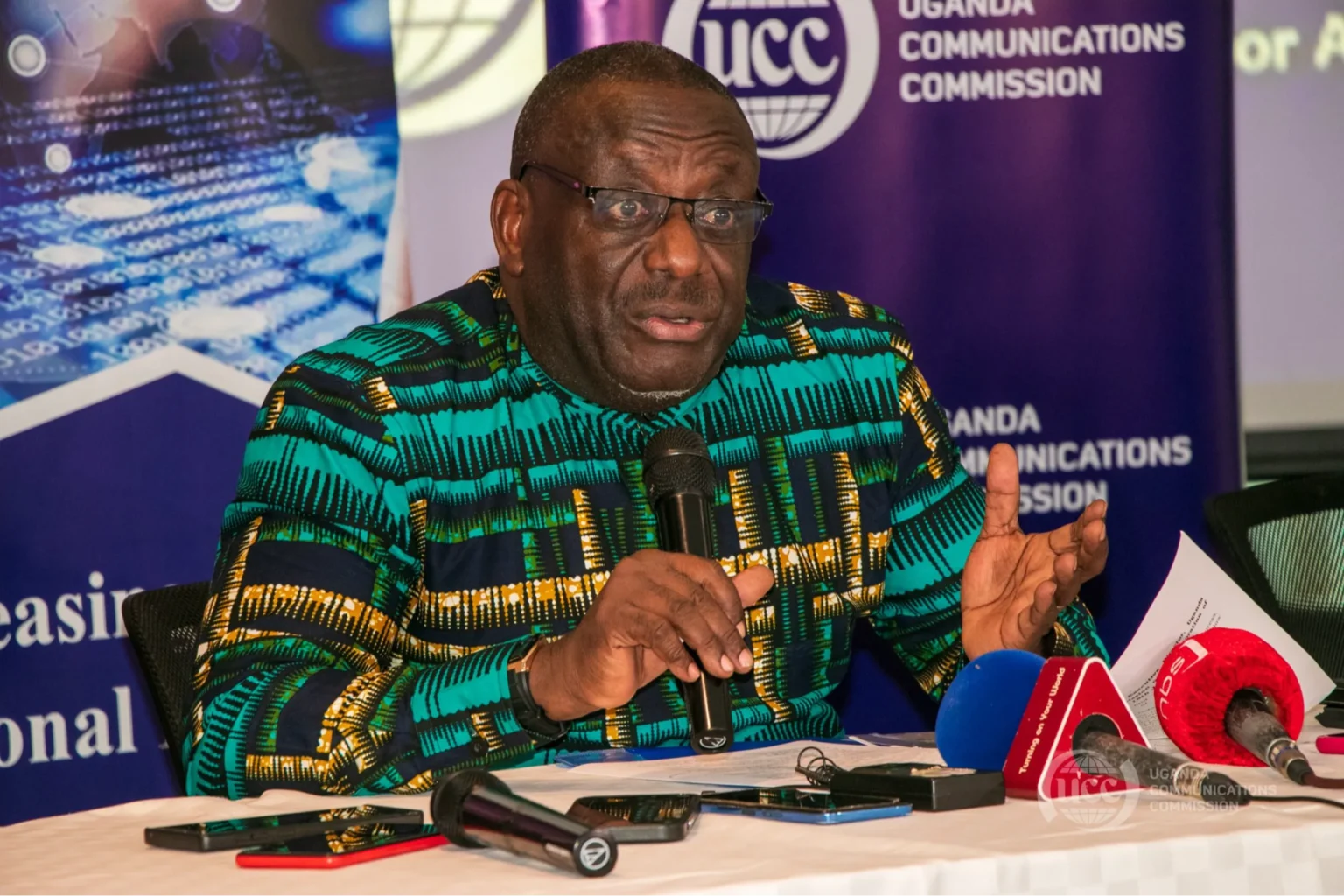
UCC Executive Director George William Nyombi Thembo said the regulator had not itself arrested any hotspot operators, although it remained concerned about businesses providing public internet services without the required licences or using telecommunications infrastructure without authorisation.
The clarification comes days after police launched an operation targeting unauthorised Wi-Fi resellers in Kasangati, Kawaala, Kasubi and Kawempe.
People familiar with the operation said police confiscated routers, cables, signal boosters and other equipment from operators accused of providing public internet services without regulatory approval or attaching equipment to telecommunications infrastructure without the owners’ consent.
Speaking in a televised interview on Monday, Thembo said licensed internet service providers had raised concerns about the activities of some hotspot operators.
“We as UCC have not arrested anyone,” he said, adding that licensed companies had the ability to involve police where they believed their businesses were being interfered with without authorisation.
Thembo said some operators appeared to be obtaining internet connectivity from licensed providers and reselling it through neighbourhood hotspots.
He said the regulator was investigating claims that some businesses were tapping into licensed networks and using equipment or infrastructure without permission.
The allegations have not been independently established against individual operators.
The Independent reported that telecommunications companies had raised concerns about unauthorised attachments to poles and fibre infrastructure, citing possible damage, maintenance difficulties and service interruptions. MTN Uganda said it was not opposed to community connectivity businesses but wanted its infrastructure protected from unauthorised use.
Thembo said anyone providing public communications services must operate within Uganda’s regulatory framework.
He questioned how public Wi-Fi hotspot providers could operate without licences and said equipment used to provide communications services must also be approved by UCC.
The regulator’s position is consistent with its July nationwide enforcement announcement, when it said investigations had identified unlicensed businesses installing telecommunications equipment to provide public Wi-Fi hotspots without the required authorisation.
At the time, UCC warned that unlicensed operators could expose consumers to unreliable services, data privacy violations and cybersecurity threats. It called on businesses operating without the necessary approvals to regularise their operations or stop providing the services.
The latest police operation comes despite an earlier decision by UCC to suspend its own enforcement action against hotspot operators.
In July, Thembo said he had directed UCC teams to halt enforcement while the regulator engaged hotspot operators and studied how the rapidly growing business operated.
The pause followed consultations with the Alliance of Hotspot Operators Uganda, with UCC saying it wanted to develop a regulatory approach that could accommodate the sector while protecting consumers and telecommunications networks.
Thembo has now said the commission is still studying the sector and expects to announce a new regulatory direction.
He indicated that public Wi-Fi hotspots would not necessarily be prohibited, but operators would have to comply with licensing requirements and have their equipment examined and approved by the regulator.
Another issue concerns the physical infrastructure used by hotspot operators.
Thembo accused some businesses of installing signal boosters and other equipment on poles belonging to telecommunications companies without permission.
Telecommunications firms have argued that unauthorised installations can interfere with maintenance and increase the risk of damage and service interruptions.
The concerns extend beyond commercial competition. UCC has previously framed regulation of communications equipment as part of its wider responsibility to protect consumers, networks and the security of Uganda’s digital environment.
The crackdown is taking place as neighbourhood Wi-Fi businesses expand in Kampala, particularly in densely populated areas where consumers are looking for cheaper alternatives to conventional internet packages.
Thembo acknowledged that hotspot operators had helped make internet access more affordable.
He argued, however, that some businesses could offer lower prices partly because they were operating outside the licensing, taxation and infrastructure costs faced by regulated providers.
He compared some of the practices to the sale of goods obtained unlawfully, although that characterisation was his own and has not been established against the operators targeted by police.
The comments highlight the challenge facing regulators: how to bring a fast-growing informal digital economy within the law without eliminating low-cost connectivity relied upon by consumers.
UCC has not indicated that it intends to impose a blanket ban on public Wi-Fi hotspots.
Instead, Thembo said operators would be expected to obtain the necessary licences and submit their equipment for regulatory examination.
Also Read: Why Uganda is rethinking its crackdown on Wi-Fi hotspot operators
The commission is expected to announce its next regulatory position after completing its consultations and assessment of the sector.
For now, the police operation and UCC’s continuing regulatory review leave hotspot operators facing uncertainty over whether they will be allowed to continue operating under a formal licensing framework and what compliance costs that could entail.
The latest developments also expose a distinction between police enforcement against unauthorised activity and UCC’s separate effort to establish how the emerging hotspot industry should be regulated.
As demand for affordable internet continues to grow, Uganda’s communications regulator faces the task of balancing cheaper community connectivity with licensing, consumer protection, cybersecurity and the protection of telecommunications infrastructure.