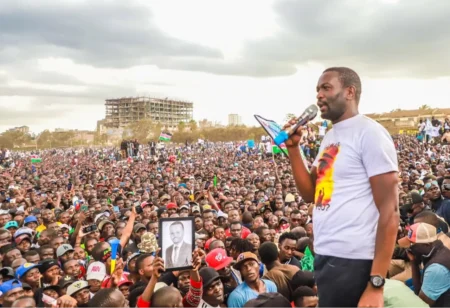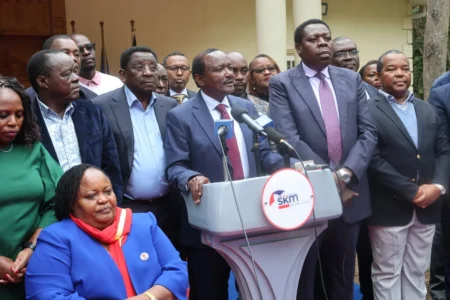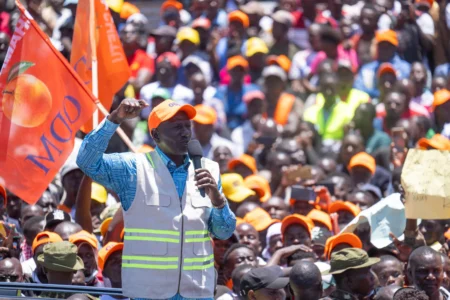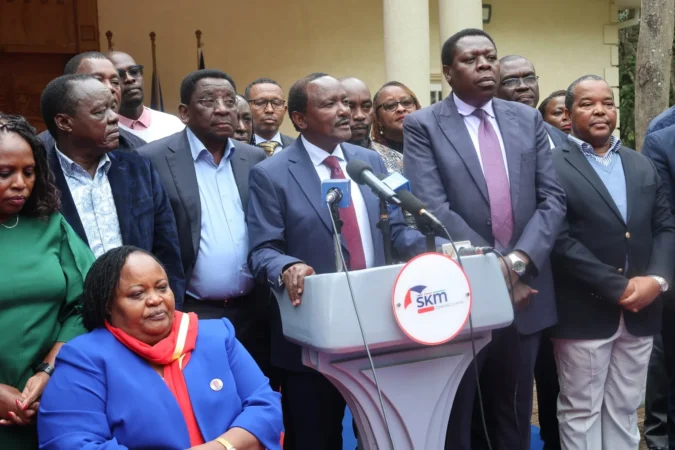


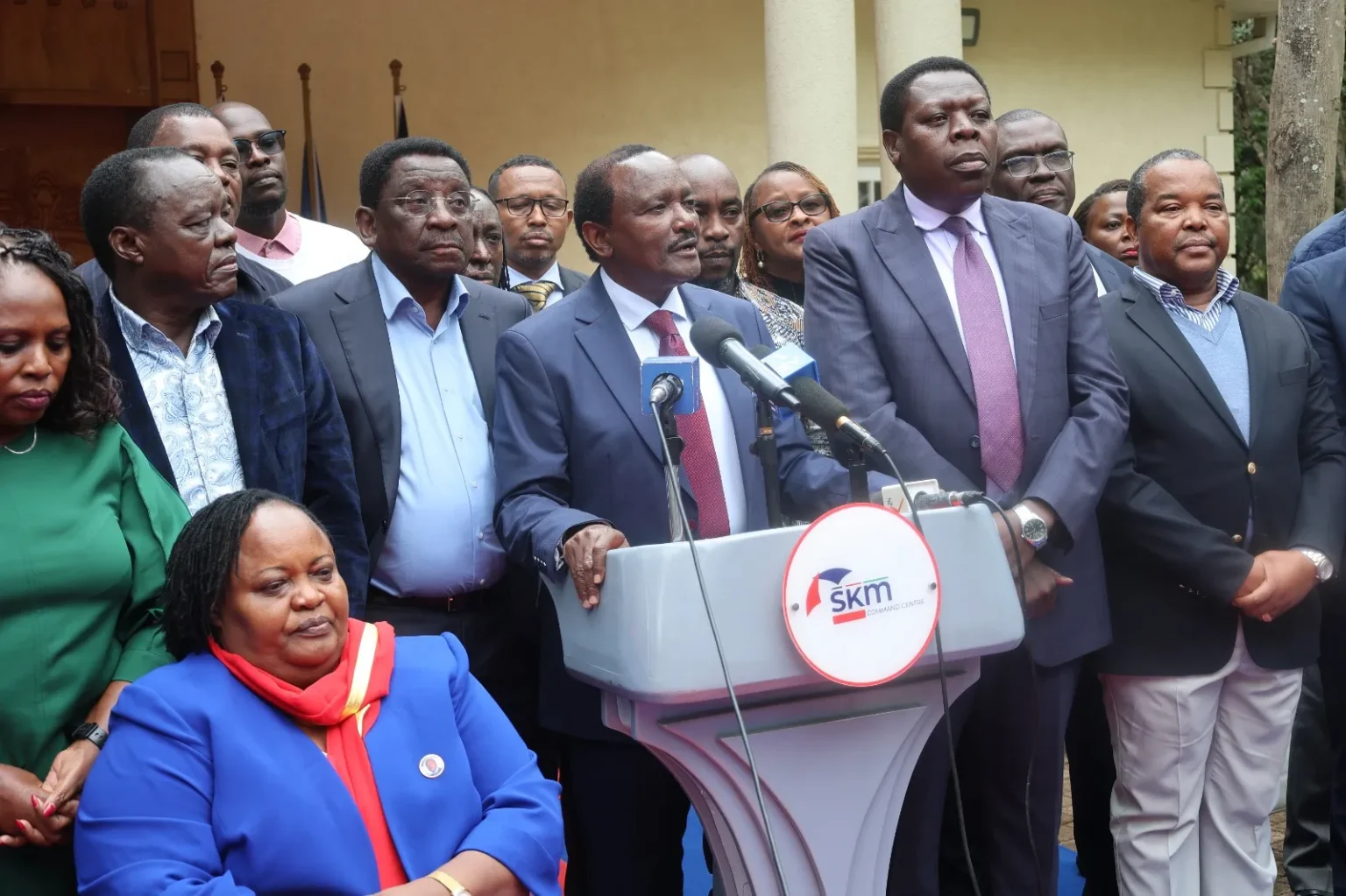
NAIROBI, Kenya — Wiper Patriotic Front leader Kalonzo Musyoka has expanded claims about disputed Kenyan elections, saying the political side led by the late Raila Odinga won the 2013, 2017 and 2022 presidential contests.
Mr Kalonzo, who was Mr Odinga’s running mate in the 2013 and 2017 elections, made the remarks in Kitui County while responding to renewed claims by retired President Uhuru Kenyatta that Mr Odinga won the 2022 election.
He challenged the Independent Electoral and Boundaries Commission (IEBC) to ensure the 2027 election is free and fair, saying the alleged problems of previous elections must not be repeated.
“Uhuru was in the position to know, but because he was not the chair of IEBC, angemtangaza Raila mshindi. Raila aliibiwa. Mimi naamini 2013 tulishinda, alafu tena hatukushinda. 2017 tukarudi pale tena, tukashinda, tena hatukushinda,” Mr Kalonzo said.
His remarks amount to a broader claim than the one recently made by Mr Kenyatta, who has specifically questioned the official outcome of the 2022 election.
Official results tell a different story
The official results of the three elections do not support Mr Kalonzo’s claim that Mr Odinga’s side was declared the winner.
Uhuru Kenyatta was declared the winner of the 2013 presidential election, defeating Mr Odinga in the final tally.
Mr Kenyatta was also declared the winner of the 2017 election after a fresh poll ordered by the Supreme Court following the annulment of the initial result.
In 2022, William Ruto was declared president after defeating Mr Odinga.
The 2022 result was challenged by Mr Odinga and several petitioners before the Supreme Court, which unanimously upheld the presidential election of Mr Ruto.
Mr Kalonzo’s latest comments therefore reopen questions that have remained politically contentious despite the formal conclusions reached by Kenya’s electoral and judicial institutions.
Kalonzo turns focus to 2027
The Wiper leader used the debate to issue a warning ahead of the next presidential election.
“In 2027 haitakuwa hivyo tena. IEBC must ensure there is no rigging in 2027,” he said.
The comments come as opposition parties negotiate alliances and possible presidential arrangements ahead of the 2027 General Election.
Mr Kalonzo is among several senior opposition politicians positioning themselves for the next presidential contest, with questions over a possible joint opposition ticket remaining unresolved.
The debate over past elections is therefore also becoming part of the political contest over the credibility of the 2027 vote.
Raila’s family reacts
Mr Kalonzo’s remarks came shortly after Omondi Oginga, the younger brother of Mr Odinga, criticised Mr Kenyatta for revisiting the 2022 election outcome.
Mr Oginga said the former president should not reopen the issue, particularly so soon after the anniversary of Mr Odinga’s death.
“The former President (Uhuru) should not play cat-and-mouse game with us. We are not happy with whatever happened and there’s no need for him to talk about the results that happened four years back,” Mr Oginga said.
He also criticised Mr Kenyatta’s handling of the 2022 election, arguing that the former president had been in a position of authority but failed to protect what the Odinga family considers to have been Mr Odinga’s victory.
Also Read: Kenya’s opposition splits over ‘Ukombozi Alliance’ name
“He was in power, he had all the authority and he didn’t use it well. So there’s no need for him to respond about last election. Raila is gone; we’re not happy as a family. Let him give us a break,” he said.
The comments reflect the continuing sensitivity surrounding Mr Odinga’s political legacy and the circumstances of his unsuccessful presidential campaigns.
An old electoral dispute returns
Kenya’s presidential elections have repeatedly generated disputes over results, particularly in 2007, 2013, 2017 and 2022.
The Supreme Court annulled the 2017 presidential election and ordered a fresh vote, an unprecedented decision in Kenya at the time.
In 2022, however, the court rejected petitions challenging Mr Ruto’s victory and found no basis for overturning the declared result.
Mr Kalonzo’s latest claims are political assertions rather than new findings by the electoral commission or the courts.
Their significance lies in the timing.
With the 2027 election approaching, opposition leaders are again placing electoral credibility at the centre of the political debate.
For Mr Kalonzo, the lesson from the past three elections is that the electoral process must command greater confidence.
For the IEBC, the challenge will be to demonstrate that the next presidential contest is conducted transparently and in accordance with the law.
And for Mr Odinga’s political allies, the renewed debate over previous elections is likely to remain closely tied to the question of how his political legacy should shape the opposition’s strategy for 2027.