

KAMPALA, Uganda — Uganda’s veteran opposition leader Dr Kizza Besigye is facing a prolonged and uncertain period in detention, as concerns over his deteriorating health collide with public statements from the country’s army chief ruling out any prospect of bail.
Dr Besigye has been held in Kampala since his arrest — which his supporters describe as an abduction — in Kenya on 16 November 2024.
He faces treason charges alongside his aide, Hajji Obeid Lutale, in a case that has since drawn in his lead defence lawyer, Erias Lukwago, the former Kampala Lord Mayor, who was separately arrested and charged with misprision of treason.
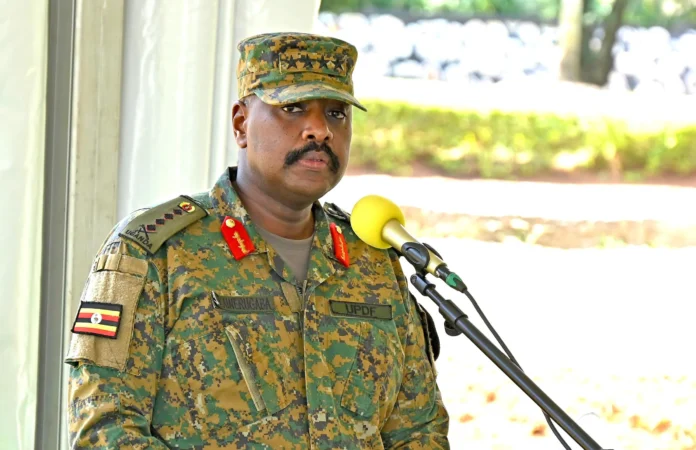
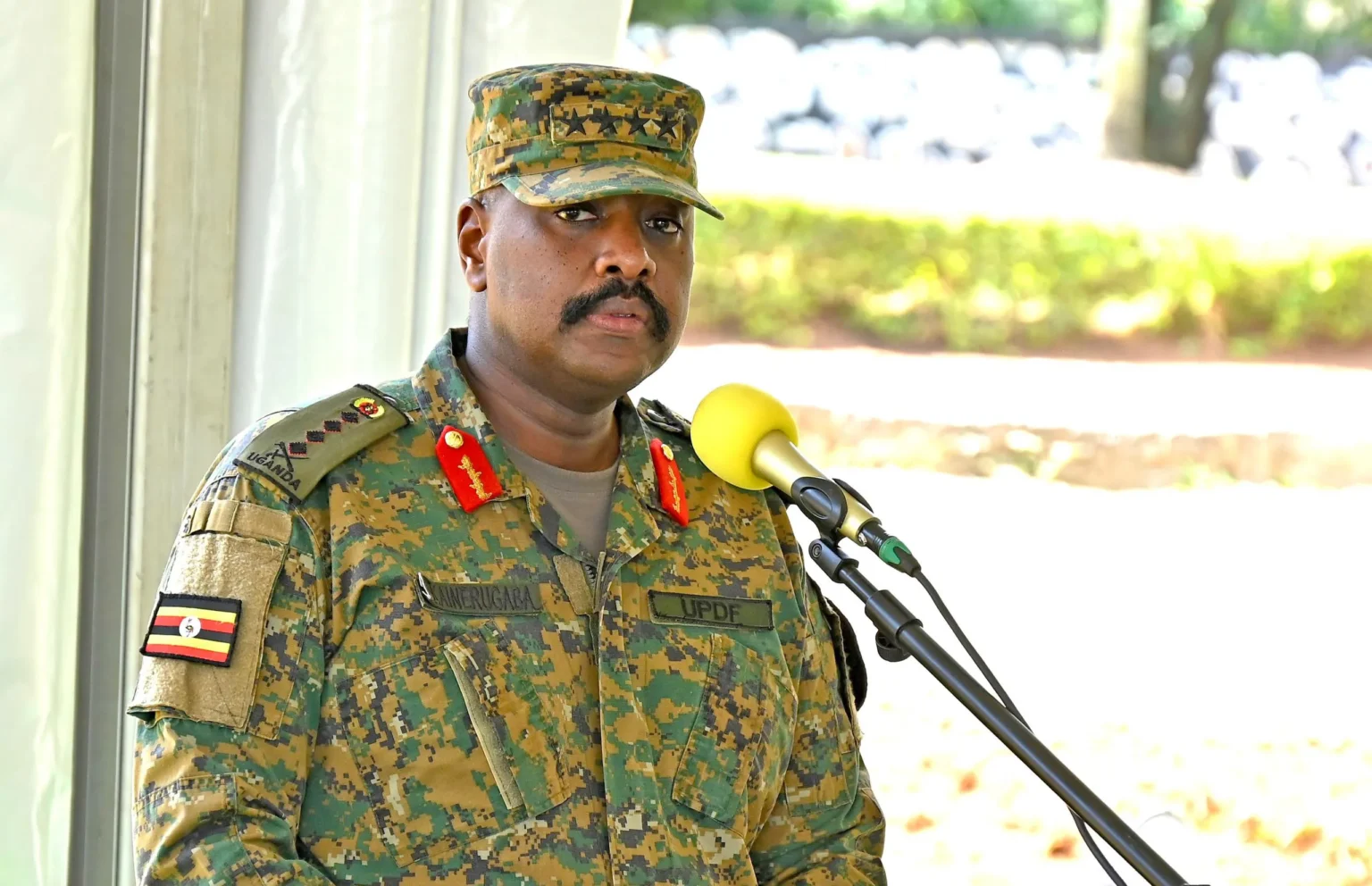
On Tuesday, 15 September, Uganda’s Chief of Defence Forces (CDF) and eldest son of President Yoweri Museveni, Gen Muhoozi Kainerugaba, declared in a series of posts on X that Besigye and Lukwago would never be granted bail.
“Besigye and Lukwago will never get bail. They will pay for their crimes!” he wrote, adding a pointed personal remark: “Besigye used to call me a ‘boy’. Okay. Now the ‘boy’ has power over him. He is going nowhere.”
Under Uganda’s legal framework, bail decisions rest with the courts, not with political or military officials.
Treason is a capital offence carrying the death penalty, though the Constitution allows suspects facing capital charges to apply for bail once they have been remanded for 180 days without trial.
Meeting that threshold does not guarantee release; courts also weigh factors including the severity of the offence, flight risk, and the reliability of proposed sureties.
Dr Besigye’s health has been a growing source of alarm throughout his detention at Luzira Maximum Security Prison.
He has reportedly suffered high fevers, stomach pain, dehydration and suspected bacterial infections, becoming extremely weak, losing significant weight, and, at times, requiring assistance to walk.
Concerns intensified sharply after he collapsed during a High Court appearance in Kampala on 29 July, following a protest before presiding judge Emmanuel Baguma over what he described as unconstitutional conduct in his case.
He was rushed first to a military hospital and later to Mulago National Referral Hospital, and his son, Adam Ampa Besigye, publicly appealed to President Museveni and Kainerugaba to release his father, saying he had watched him lose consciousness in court.
The High Court subsequently proceeded with parts of his treason trial in his absence in August while he remained hospitalised.
Dr Besigye’s wife, Winnie Byanyima, the UNAIDS Executive Director, has repeatedly and publicly pressed for his release on bail, describing him as unable, at his weakest points, to walk, talk or feed himself without assistance.
She has asked that he be allowed to travel to the couple’s home in Geneva, Switzerland, for specialised medical care and rehabilitation, insisting the request is about his right to health rather than an attempt to evade justice.
“Release Dr Besigye on bail and allow me to take him to our home in Geneva so that we, his family, can care for him,” Byanyima has said, adding that he would return to Uganda to face the charges once his health improved.
Byanyima has gone further at times, alleging in February that she feared for her husband’s safety in custody, saying she and her family lived with the fear that Kainerugaba or soldiers under his command could kill him — an allegation Ugandan authorities have not directly addressed.
Kainerugaba has dismissed suggestions that Dr Besigye lacks adequate care in Uganda, warning against those who say otherwise.
“Besigye has the best medical attention in Uganda. I will arrest the next fool who says otherwise,” he wrote.
Uganda Prisons Service spokesperson Frank Baine has separately maintained that Dr Besigye receives appropriate medical attention, saying on one occasion that he had been taken to hospital for a scheduled check-up, found to be in stable condition, and returned to Luzira Prison.
Byanyima has disputed this characterisation, arguing that the facilities available to her husband fall short of the specialist rehabilitation and care he needs.
The dispute over Dr Besigye’s detention has become intertwined with broader tensions between Uganda’s security establishment and the political opposition.
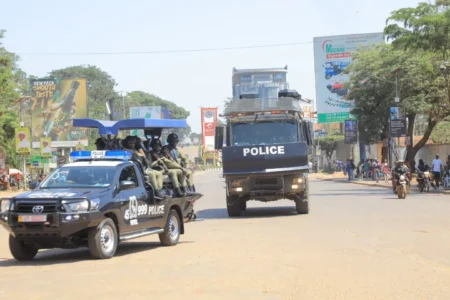
Security forces restricted access to the offices of the People’s Front for Freedom in Kampala on 14 September, a day before Kainerugaba’s latest remarks, as party officials sought to petition the Chief Justice over the continued detention of Dr Besigye and Lukwago.
Also Read: The betrayal of a comrade: Why Museveni must end the ‘endless injustice’ against Besigye
Kenyan activists have also staged demonstrations calling for Dr Besigye’s release, citing both his health and concerns over Kainerugaba’s public statements, which they have characterised as threatening.
Dr Besigye’s legal team and family maintain that the prosecution against him is politically motivated, a charge the Ugandan government has denied.
Byanyima has described the case as part of what she calls 25 years of persecution stretching back to Besigye’s first presidential challenge against Museveni in 2000.
With Kainerugaba’s latest remarks preempting any judicial determination on bail, Dr Besigye’s continued detention — and the state of his health within it — looks set to remain a central and closely watched issue in Uganda’s political landscape.