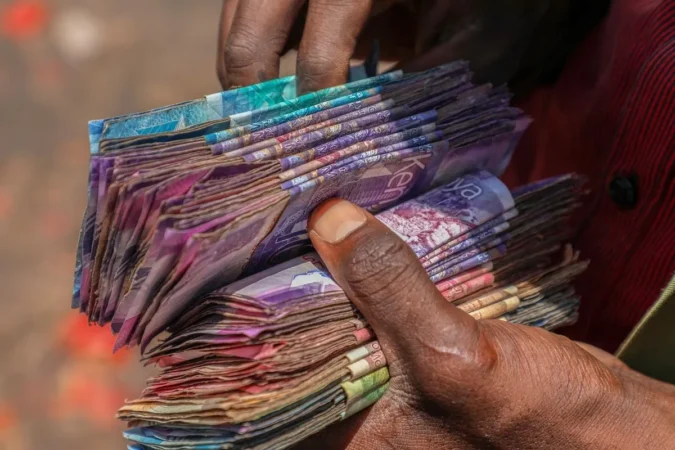


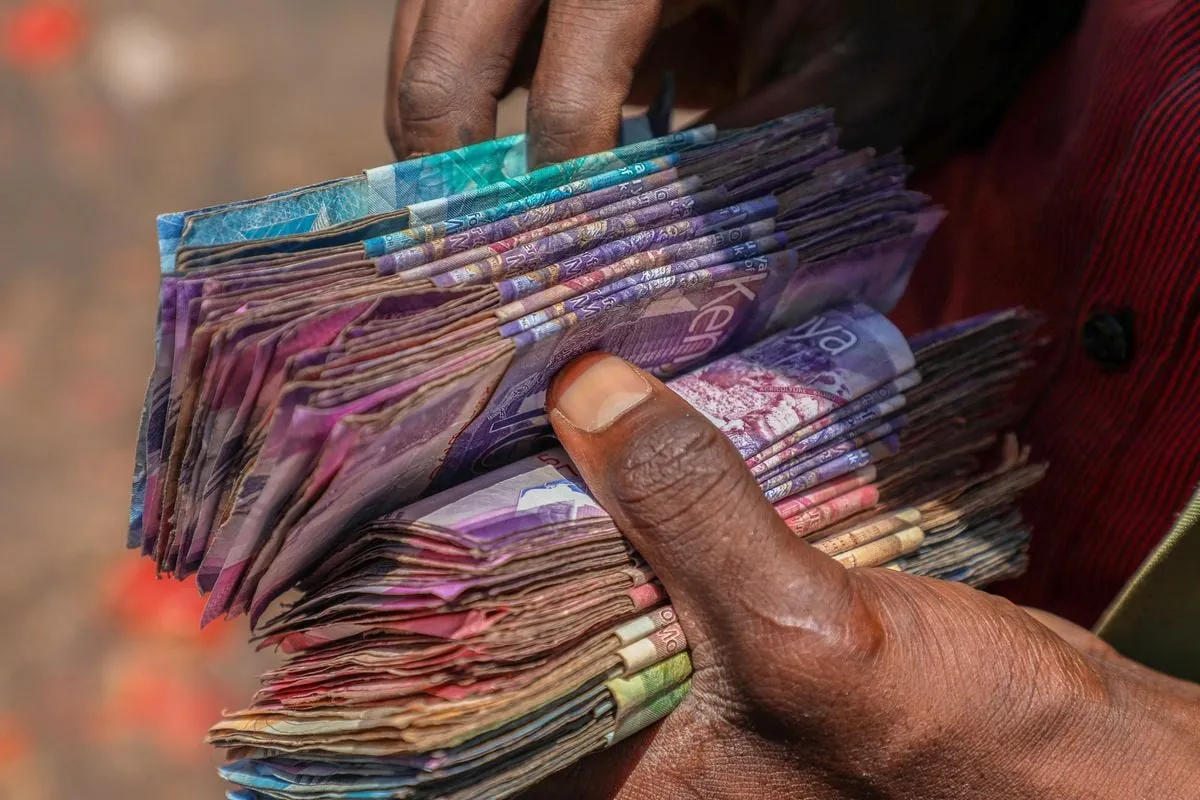
NAIROBI, Kenya — Kenya’s public debt has crossed the Sh13 trillion mark for the first time, according to a full-year budget implementation review by the Office of the Controller of Budget, which has urged the National Treasury to rein in borrowing and adopt a formal debt-reduction strategy.
Controller of Budget Margaret Nyakang’o’s report shows total public debt stood at Sh13.01 trillion as of 30 June 2026, up from Sh11.80 trillion a year earlier — a rise of roughly 10 percent within a single financial year. Of the total, Sh7.32 trillion was domestic debt and Sh5.68 trillion was owed to external creditors.
The report puts Kenya’s debt-to-GDP ratio at 68.5 percent, well above the 55 percent ceiling, in present-value terms, set under the Public Finance Management Act.
While the law gives the Treasury Cabinet Secretary a grace period to bring the ratio back within the statutory limit, Nyakang’o’s office says the widening gap underscores the need for urgent fiscal consolidation, stronger domestic revenue mobilisation and borrowing that is more closely aligned to the country’s actual debt trajectory.
The cost of servicing this debt has also climbed. Kenya spent a combined Sh1.77 trillion on external and domestic debt payments in the 2025/26 financial year, equivalent to roughly 85 percent of the government’s approved debt-service estimates for the year, and a substantial share of ordinary revenue collected — a burden that leaves proportionally less room for spending on public services.
Record Sh72 billion in spending blocked
Alongside the debt figures, Nyakang’o’s report discloses that her office blocked Sh72 billion in Treasury withdrawal requests during the year, a record high, after rejecting attempts by Treasury Cabinet Secretary John Mbadi’s office to release funds without the parliamentary appropriation required by law.
The disputed withdrawals were sought under Article 223 of the Constitution, a provision that allows government agencies to access funds not captured in the approved budget in genuine emergencies or unforeseen circumstances, provided Parliament is notified within two months.
Nyakang’o’s office found that a number of the proposed withdrawals did not meet that threshold, including some tied to foreseeable or long-standing obligations rather than genuine emergencies.
Since July 2022, national government agencies have sought to draw down a combined Sh523 billion under Article 223, of which the Controller of Budget’s office has rejected Sh158.6 billion, according to the report.
The office is now recommending a review of the laws governing Article 223 withdrawals, along with tighter oversight mechanisms, to safeguard fiscal discipline.
Also Read: Inside Kenya’s debt deals: What the public is not being told
Friction between the Controller of Budget’s office and the Treasury over unauthorised spending has been a recurring theme of Nyakang’o’s six-year, non-renewable term.
Her office has separately flagged tens of billions of shillings in Treasury-approved spending in the current 2025/26 financial year that it says breached budget rules, including funds directed toward long-overdue pending bills that predate the fiscal year in which they were paid.
Wider fiscal concerns
The debt milestone comes as Kenya’s public finances face mounting scrutiny, from ratings agencies, multilateral lenders and domestic critics alike, over the sustainability of the country’s borrowing path.
It also lands amid an intensifying political debate over the state of the economy, with President William Ruto’s administration frequently pointing to slower debt growth compared with previous administrations, even as independent fiscal watchdogs flag the debt stock itself as historically high and rising.
The Controller of Budget’s report is expected to feature prominently in ongoing parliamentary scrutiny of government expenditure as the country heads toward the 2027 General Election.