

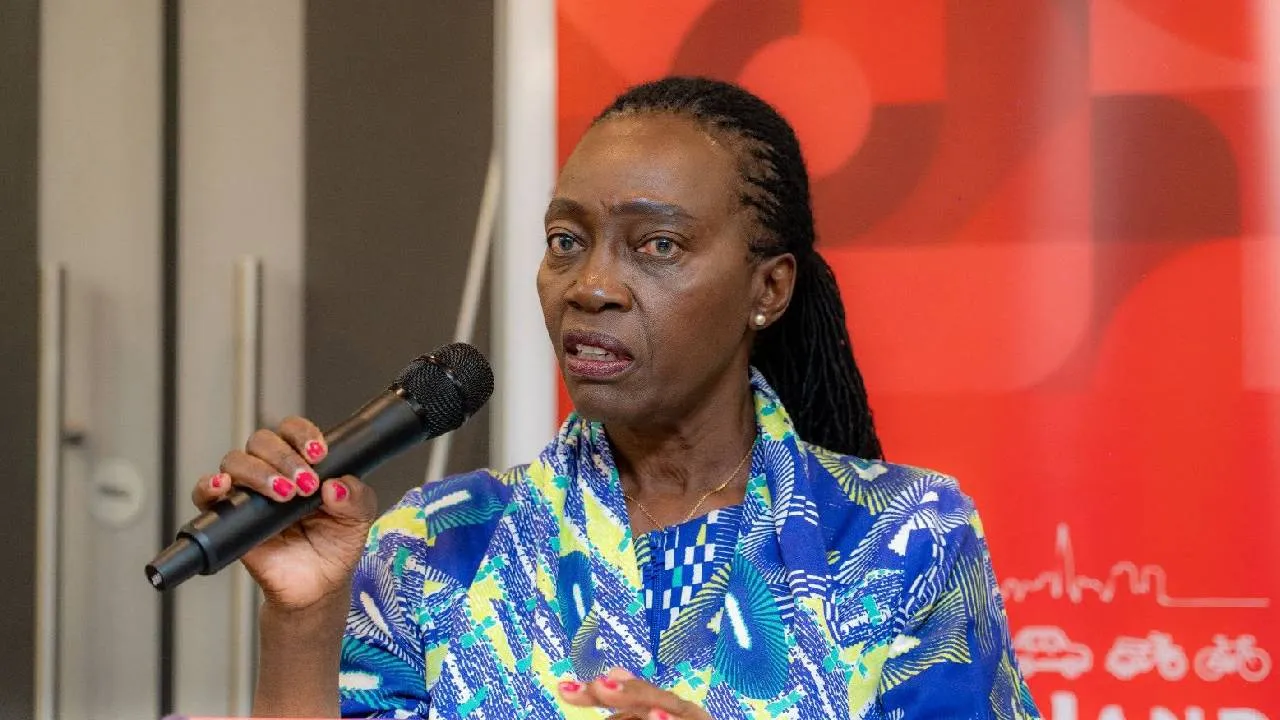
NAIROBI, Kenya — People’s Liberation Party (PLP) leader Martha Karua has accused President William Ruto’s administration of using violence and intimidation to disrupt opposition political activities, following an attack on supporters of former Deputy President Rigathi Gachagua in Nakuru.
Speaking on Saturday, August 15, 2026, Karua condemned the incident, claiming Gachagua’s political meeting had attracted a large crowd before it was disrupted by people she described as goons.
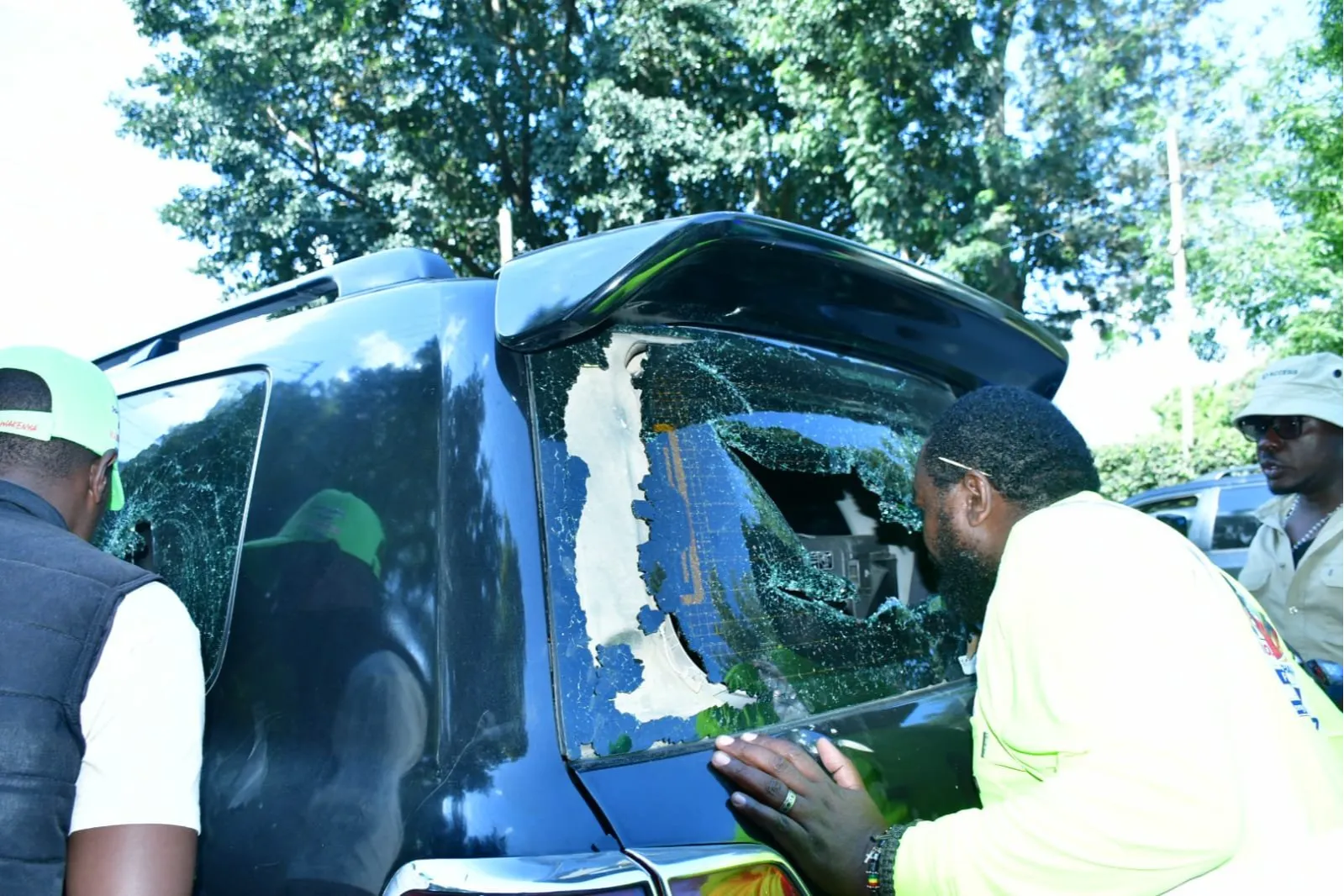
She said vehicles in Gachagua’s convoy were damaged and some supporters were assaulted and dispersed.
“Ndugu yangu Gachagua alikuwa Nakuru juzi juzi. Alikuwa Nakuru jana, mkutano mzuri sana, watu walikuwa wamemjitokeza kabisa. Kabla hawajamaliza, wakaletewa goons, magari yao ikapigwa, watu wakapigwa na wakatawanywa,” Karua said.
Her remarks came a day after Gachagua’s convoy was attacked during his political tour of Nakuru, with images showing several vehicles with shattered windscreens and windows.
The former Deputy President has accused political opponents of orchestrating the attack, while government officials have maintained that security agencies will deal with individuals involved in political violence.
Karua warns against return to violent politics
Karua questioned whether the use of violence against political opponents represented the kind of country Kenyans wanted to build.
She warned Ruto against what she described as a return to violent politics and told the President that political disagreements should not be settled through intimidation.
“Hiyo ndiyo Kenya tunataka? Wewe Kasongo, ukiogopa siasa, rudi Sugoi. Watu hawataki siasa za ghasia,” she said.
Karua also warned against attempts to force political opponents out of the country, saying Kenyans would remain in Kenya regardless of political differences.
Her comments come amid heightened political activity ahead of the 2027 General Election, with opposition parties increasingly challenging the Ruto administration’s record and political strategy.
Karua revisits 2007-2008 violence
Karua also invoked Kenya’s 2007-2008 post-election violence while criticising Ruto, referring to his former case before the International Criminal Court (ICC) in The Hague.
The International Criminal Court’s high-stakes prosecution of Kenya’s “Ocampo Six”—a prominent group including William Ruto, Uhuru Kenyatta, radio journalist Joshua arap Sang, Francis Muthaura, Henry Kosgey, and Mohammed Hussein Ali—ultimately collapsed across all fronts.
While the court declined to confirm charges against Kosgey and Ali in 2012, and prosecutors withdrew charges against Muthaura and Kenyatta by 2014, the final case involving Ruto and Sang dragged on until April 2016.
That remaining trial was ultimately terminated when judges declared a mistrial, citing an insurmountable evidentiary deficit driven by systematic witness intimidation, bribery, and the sudden withdrawal of crucial testimonies.
Karua, however, offered her own interpretation of the case, claiming witnesses had died, been relocated or gone into hiding.
“Wewe ulitajwa kama mhusika mauaji ya 2007, na ndio ukapelekwa The Hague,” she said.
She further warned that any future emergence of evidence could revive international legal scrutiny.
Karua’s comments were political allegations and did not amount to a new ICC finding against the President.
Karua raises Sudan RSF claims
The opposition leader also accused the government of bringing individuals linked to Sudan’s Rapid Support Forces (RSF) into Kenya, comparing the group with the Janjaweed militia associated with atrocities during the Darfur conflict.
“Wacha kutuletea wahuni kutoka Sudan. Ameleta wale watu wanaitwa RSF, wanajiita pia Janjaweed,” Karua said.
She alleged that individuals associated with the group were being brought into Kenya to support political unrest.
Also Read: Gachagua accuses Kihika, Arama over Nakuru convoy attack, vows to return
Karua did not provide evidence publicly to substantiate the claim.
The RSF is a Sudanese paramilitary force that has been accused by international organisations of serious abuses during Sudan’s ongoing conflict.
Opposition-government tensions rise
Karua’s remarks add to mounting tensions between the opposition and the government as political parties begin positioning themselves for the 2027 election.
Gachagua has emerged as one of Ruto’s most vocal political challengers since his removal from the Deputy Presidency in 2024. His political activities in Mt Kenya and other parts of the country have increasingly attracted counter-attacks from government-aligned politicians.
The Nakuru incident has further intensified accusations over political violence, with opposition figures demanding greater protection for their rallies and government officials warning that individuals responsible for disrupting political events will face arrest.
The dispute is likely to remain a major issue as Kenya moves closer to the 2027 election, with questions over political freedoms, security and the use of violence during campaigns expected to feature prominently in the emerging contest.