




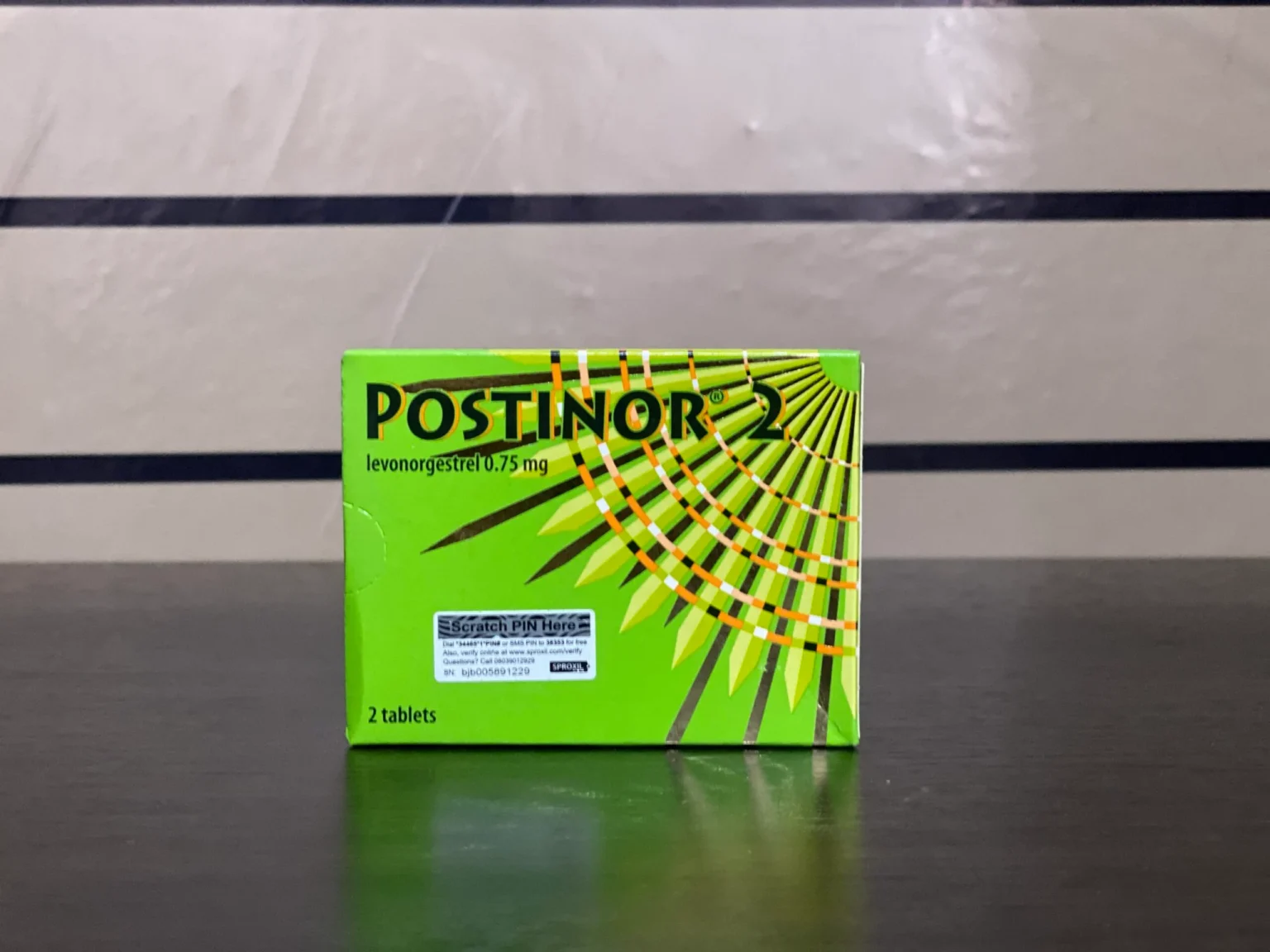
NAIROBI, Kenya — The Pharmacy and Poisons Board (PPB) has warned Kenyans against using a falsified batch of Postinor-2 emergency contraceptive pills circulating in the country after investigators found that the product was misleadingly labelled as having been manufactured by pharmaceutical company Gedeon Richter Plc.
The affected product is Postinor-2 (Levonorgestrel 0.75mg tablets), batch number T34197R.
The regulator said the suspected falsified batch was identified through its post-marketing surveillance activities, which monitor health products circulating in the Kenyan market.
According to PPB Chief Executive Officer Dr Ahmed Mohamed, a comparative assessment of the suspected falsified product against genuine Postinor-2 supplied by Gedeon Richter revealed several significant differences in the packaging and product presentation.
“These observations strongly indicate that the product is falsified and is not manufactured or released by Gedeon Richter,” Mohamed said in a public alert.
PPB identifies differences in fake P2 packaging
The regulator said one of the differences involved the method used to print the batch number.
PPB also identified several printing and typographical errors in the Patient Information Leaflet, which differed from the documentation accompanying genuine Postinor-2.
The carton sealing method was another major discrepancy.
According to the Board, genuine Gedeon Richter packs use a hot-melt closure, while the suspected falsified product did not have the same sealing mechanism.
The colour used on the Postinor-2 brand name and other sections of the packaging was also significantly more intense than that found on genuine packs.
PPB further found that the font of the logo revealed after scratching the authentication panel differed from the one used on genuine packaging.
The regulator said the combination of these discrepancies strongly indicated that the product bearing batch number T34197R was falsified.
Fake pills may fail to prevent pregnancy
PPB warned that the falsified tablets could pose a health risk because their contents may not correspond with those indicated on the packaging.
The Board said the tablets may contain an incorrect amount of levonorgestrel, no active ingredient at all, harmful contaminants or undeclared substances.
As a result, the product may fail to provide the intended therapeutic effect.
The warning is particularly significant because Postinor-2 is an emergency contraceptive containing levonorgestrel, and a falsified product may not provide the expected protection against pregnancy.
The World Health Organization has previously documented falsified Postinor-2 products in Africa and warned that falsified medicines can contain little or no active pharmaceutical ingredient.
Two arrested as investigations continue
PPB said two people had already been arrested after being found in possession of the falsified product.
The arrests form part of a wider multi-agency investigation aimed at establishing how the suspected falsified medicine entered Kenya and how extensively it has been distributed.
Mohamed said investigators were working to establish the source of the product, its point of entry into the country and the extent of its distribution within the pharmaceutical supply chain.
“The Board, in collaboration with the relevant Government investigative and enforcement agencies, has made significant progress in investigations, including the arrest of two individuals found in possession of the falsified product,” Mohamed said.
He added that further investigations were ongoing.
Pharmacies told to check P2 stocks
PPB has urged healthcare professionals to exercise heightened vigilance when handling Postinor-2 stocks.
Pharmacists and other healthcare providers have been advised to verify the authenticity of their stocks before dispensing the medicine and to immediately quarantine any product suspected to be falsified.
Procurement agencies, hospitals, distributors and pharmaceutical technologists have also been instructed to report any encounter with the affected batch.
Members of the public who come across Postinor-2 batch T34197R have similarly been urged to report it to the regulator.
PPB warns against unlicensed suppliers
The regulator has also reminded pharmaceutical stakeholders to obtain health products and technologies only from PPB-licensed manufacturers, importers, distributors and retailers.
PPB warned that purchasing medicines from unlicensed sources puts patients at risk and violates the Pharmacy and Poisons Act, Cap 244 of the Laws of Kenya.
Also Read: Kenya’s Health Ministry warns against using ‘Ozempic’ for weight loss
The warning comes as the regulator steps up efforts to disrupt the circulation of falsified medicines and hold those involved in their manufacture, importation, distribution or supply accountable.
PPB said it would continue taking regulatory and legal action against individuals and businesses found to be involved in the illegal trade.
How to report suspected falsified Postinor-2
Kenyans who encounter the affected batch or suspect that they have obtained a falsified health product have been urged to report it through official PPB channels.
Reports can be made through:
- USSD: *271#
- Telephone: 0795 743 049
- Email: pv@ppb.go.ke
- Email: pms@ppb.go.ke
The regulator’s immediate warning concerns Postinor-2 Levonorgestrel 0.75mg, batch number T34197R.
Consumers and healthcare providers should therefore pay particular attention to the batch number and packaging details identified by PPB rather than assuming that every Postinor-2 product on the market is affected.