



KILIFI, Kenya — The High Court in Malindi has ruled that holding Kenya’s next presidential election in August 2027 would contravene the Constitution, finding that the poll should instead have been held in August 2026.
However, the court has suspended the effect of its declaration until after the next general election, meaning the Independent Electoral and Boundaries Commission (IEBC) will proceed with preparations for the scheduled 2027 polls.
The landmark decision was delivered by Justice Mugure Thande on Friday, August 7, 2026, in a constitutional dispute over the interpretation of the presidential election timetable.
The petitioners argued that Article 136(2)(a) of the Constitution requires a presidential election to be held on the second Tuesday of August in the fifth year following the previous presidential election.
Kenya’s last presidential election was held on August 9, 2022.
Under the petitioners’ interpretation, the fifth year began in August 2026, making Tuesday, August 11, 2026, the constitutionally prescribed date for the next presidential election.
Justice Thande agreed with that interpretation.
“The Court thus finds that the correct interpretation of Article 136(2)(a) of the Constitution is that the second Tuesday in the fifth year before the next presidential election must mean August 11, 2026,” the judge ruled.
The court consequently found that holding the next presidential election on a date other than the second Tuesday of August 2026 would violate the Constitution.
Why the ruling does not cancel the 2027 election
Despite making the finding, the court did not order IEBC to organise an election immediately.
Instead, Justice Thande suspended the effect of the declaration until after the next general election.
“The Declaration of invalidity in respect of holding the next presidential election on any date other than the second Tuesday of August 2026 is hereby suspended until after the next general election,” the court ruled.
The distinction is significant.
It means the judgment establishes the court’s interpretation of the constitutional election timetable but does not, in practical terms, disrupt the electoral process already being prepared for 2027.
The judge cited the potential consequences of attempting to cancel or postpone the scheduled election at this stage, warning that such a move could plunge the country into instability.
The court therefore sought to balance constitutional enforcement with the need to avoid what it considered potentially serious national consequences.
The constitutional dispute
At the centre of the case is Article 136(2)(a), which provides for a presidential election on the second Tuesday in August in every fifth year.
The petitioners argued that the provision fixes the election date according to the electoral cycle rather than requiring the incumbent President to complete a full five-year period from the date of taking office.
Their argument creates a distinction between the length of a presidential term and the constitutional timetable for presidential elections.
Justice Thande accepted that distinction, finding that the Constitution does not necessarily guarantee an incumbent President a full five years in office before the next election is held.
The court considered Articles 136, 142 and 259 in reaching its interpretation.
Article 142 deals with the President’s term of office, while Article 259 sets out principles for interpreting the Constitution.
The ruling therefore turns on how these provisions interact when determining the date of the next presidential election.
What the decision means for 2027
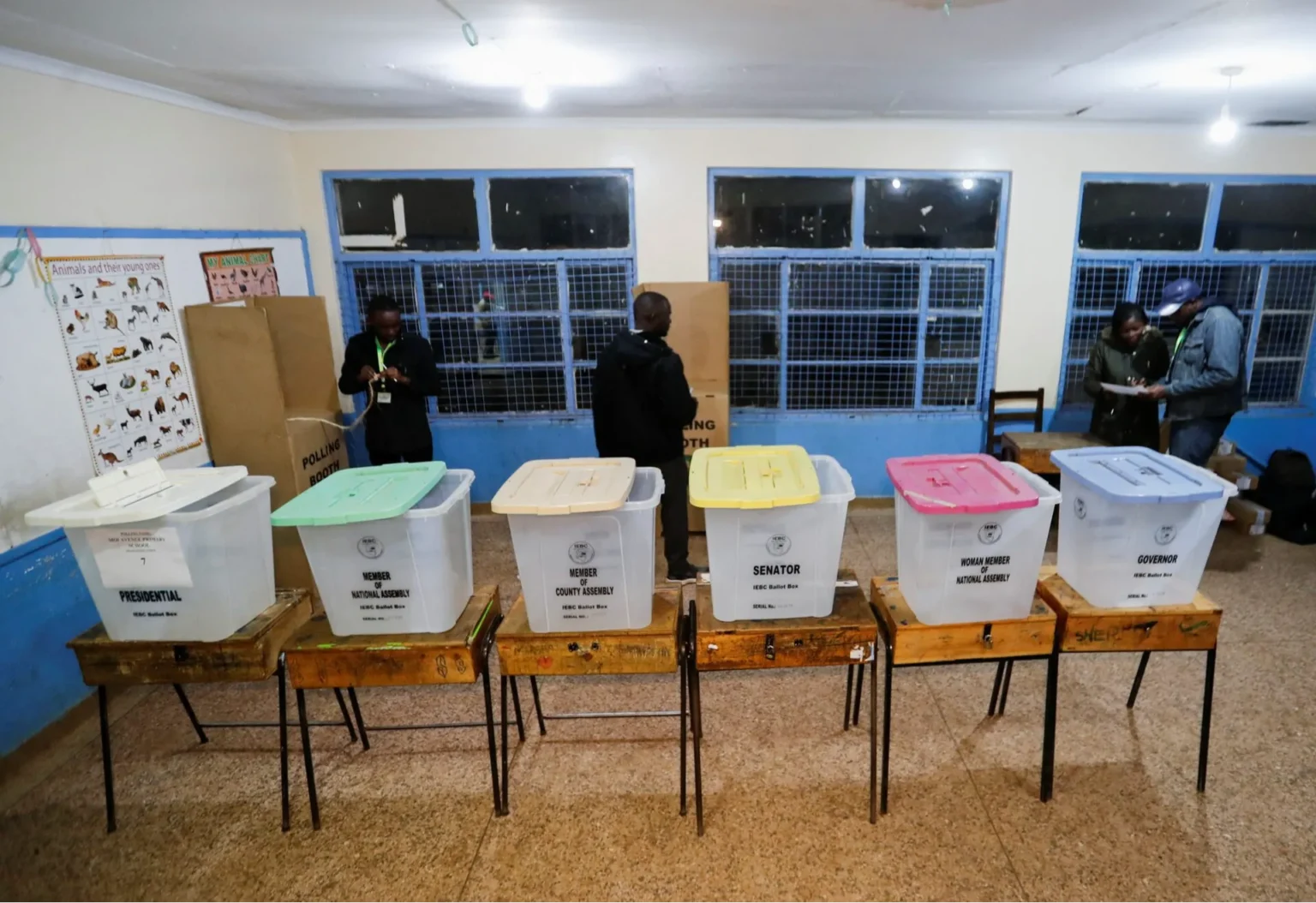
For now, the scheduled 2027 General Election remains in place.
The IEBC can therefore continue with preparations for the election, despite the High Court’s finding that the constitutional timetable points to August 2026.
The immediate practical effect of the judgment is consequently limited by the suspension order.
The ruling could, however, have significant implications for future constitutional interpretation and the way Kenya’s electoral calendar is understood.
It also adds a new dimension to a legal debate that has previously seen petitioners challenge the assumption that Kenya’s next presidential election must be held in 2027.
In earlier proceedings, petitioners similarly relied on Article 136(2)(a) to argue that the next presidential election should have been held on August 11, 2026 rather than in 2027.
The argument has centred on whether the phrase “in the fifth year” means an election must occur during the fifth year following the previous poll, or whether the five-year presidential term under Article 142 effectively places the next election in 2027.
A ruling with implications beyond 2027
Justice Thande said the decision was intended to clarify the constitutional position and remove uncertainty surrounding the timing of future presidential elections.
The ruling therefore goes beyond the immediate question of whether Kenyans should vote in 2026 or 2027.
Also Read: Ruto pledges free and fair 2027 election, warns against tribal politics
At its core is the question of whether Kenya’s electoral calendar is determined primarily by the date of the previous election or by the expiry of the incumbent President’s term.
The court’s interpretation gives greater weight to the constitutional provision specifically prescribing the presidential election date.
However, because the declaration has been suspended until after the next general election, the ruling does not currently alter the political calendar.
Kenya is consequently still on course for the 2027 General Election, even as the judgment raises fresh questions about how the constitutional election cycle should be calculated in future.
The decision could also face further legal scrutiny if challenged, particularly given the constitutional significance of the issues raised and their potential impact on the country’s electoral timetable.