

KAMPALA, Uganda — More than eleven years after Joan Kagezi was gunned down in a Kampala suburb, the courtroom hearing her murder case has once again become a stage for one of Uganda’s most enduring mysteries.
For years, the killing of the former Assistant Director of Public Prosecutions has occupied a unique place in Uganda’s public consciousness. It was not merely the assassination of a senior prosecutor. It was an attack on a woman who had become synonymous with some of the country’s most sensitive criminal cases—terrorism prosecutions, organised crime investigations and politically sensitive trials that placed her at the centre of Uganda’s security landscape.
The questions raised by her death have never fully disappeared.
On Friday 17, July 2026, those questions returned with renewed force.
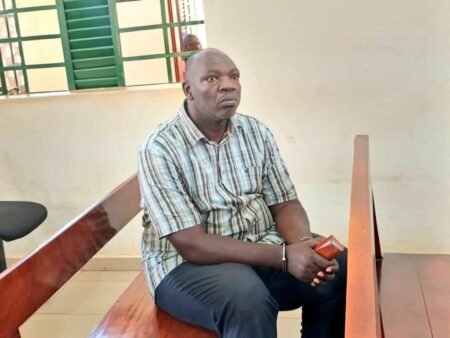
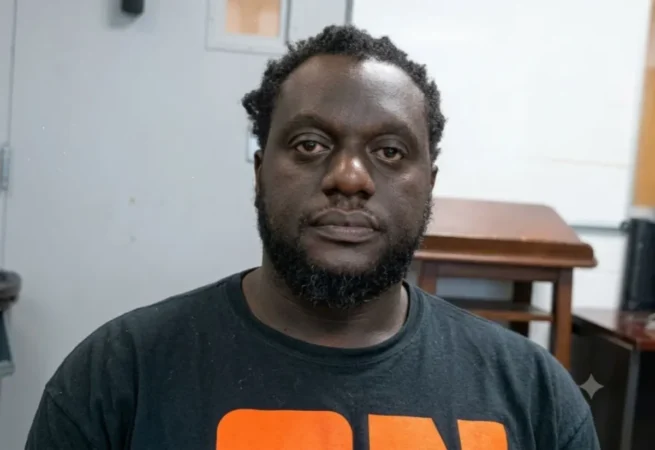
Appearing before the International Crimes Division of the High Court in Kampala, one of the accused men, Nasur Abdallah Mugonole, delivered testimony that sought to place some of Uganda’s former security heavyweights at the centre of the events that led to Kagezi’s killing.
The allegations were sweeping.
They were also explosive.
And for now, they remain allegations.
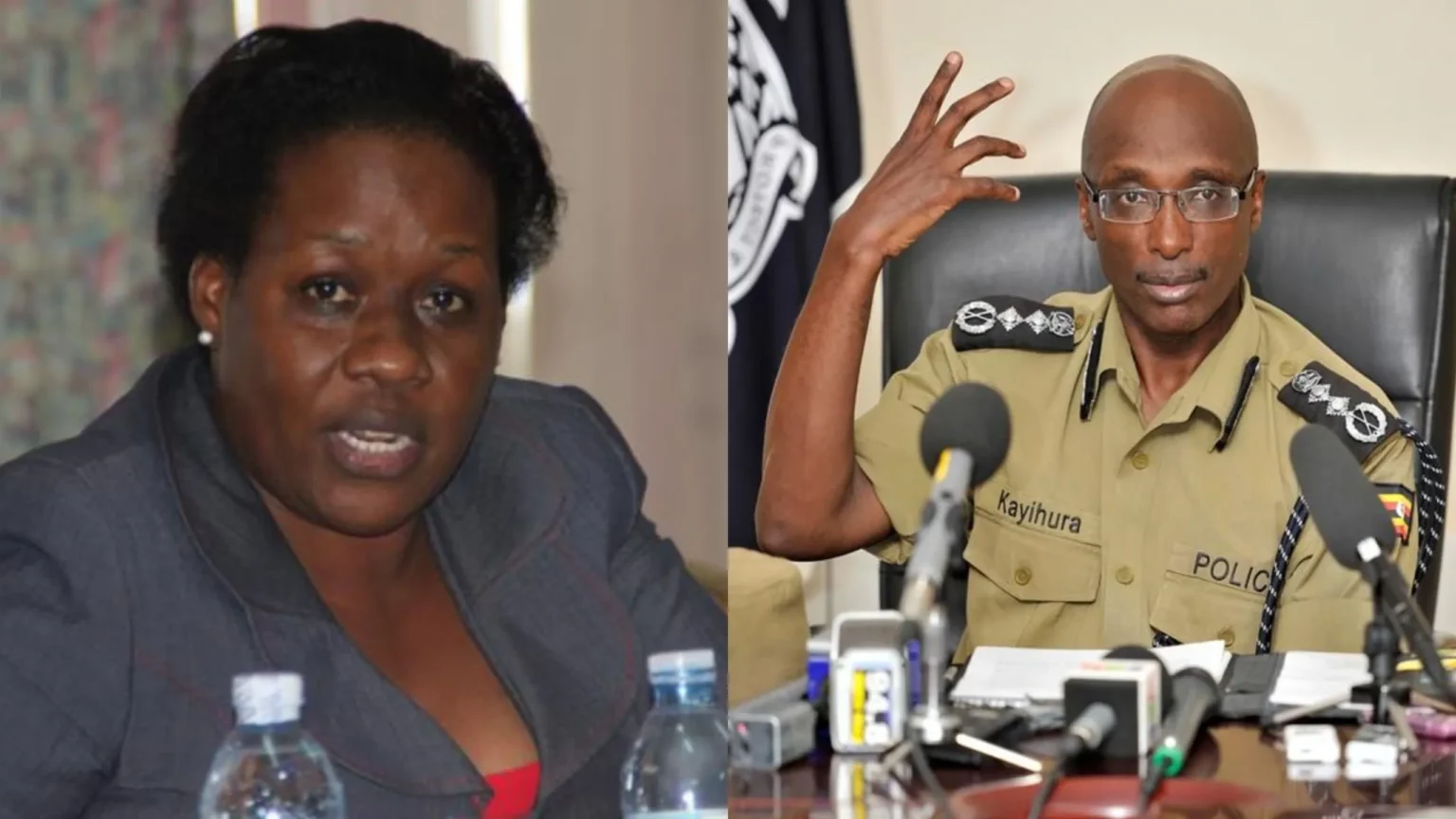
Mugonole, who is among three men currently standing trial over Kagezi’s murder, told the court that former Inspector General of Police Gen Kale Kayihura masterminded the assassination.
The former police chief has not been convicted of any offence related to Kagezi’s death and has previously denied wrongdoing in other cases where allegations have been made against him.
Nevertheless, the claims instantly transformed what had already been one of Uganda’s most closely watched murder trials into a case carrying even broader political and historical significance.
A murder that never stopped raising questions
When Joan Kagezi was shot dead on March 30, 2015, near her home in Kiwatule, the killing shocked the country.
At the time, she was handling several high-profile terrorism-related prosecutions, including cases linked to the 2010 Kampala bombings.
The assassination immediately generated speculation about motive, sponsors and the identities of those behind the operation.
Yet despite years of investigations, arrests and prosecutions, public debate has persisted over whether the full story has ever been told.
That lingering uncertainty forms the backdrop against which Friday’s testimony unfolded.
Mugonole told the court that while he knew about the plot to kill Kagezi, he did not personally participate in the shooting.
Instead, he alleged that police officer Hamisi Kakaire carried out the killing and that the firearm used in the operation had been supplied by former Flying Squad commander Nixon Agasirwe.
Agasirwe is separately charged alongside Abdul Noor Ssemujju, also known as Minana, in a case that remains pending before the High Court.
According to Mugonole, his own role was limited to gathering intelligence and passing information to an individual he identified only as “Green.”
But as his testimony continued, the allegations widened beyond the immediate circumstances of the murder itself.
The alleged motive
One of the most striking claims concerned documents that Mugonole alleged were in Kagezi’s possession.
He told the court that Kagezi knew him personally and possessed documents allegedly linking Gen Kayihura to violent activities and illegal firearms dealings.
According to his testimony, those documents became a source of tension.
Mugonole alleged that Kayihura offered Kagezi Shs1 billion in exchange for the material.
He claimed she rejected the offer, insisting she intended to deliver the documents to President Yoweri Museveni.
The court has not heard independent evidence supporting those claims.
Still, the allegation touches on a recurring theme that has followed discussions of Kagezi’s murder for years: whether her work and the information she possessed made her a target beyond the criminal cases she publicly handled.
Security analysts have long noted that prosecutors involved in terrorism and organised crime investigations often occupy a dangerous position between the worlds of law enforcement, intelligence gathering and political power.
Kagezi was among the most visible figures operating within that space.
Claims of surveillance before the killing
Mugonole also offered a detailed account of what he alleged was a surveillance operation conducted before the assassination.
He claimed Kagezi’s mobile phone had been stolen by a man identified as Calvin Jordan, who allegedly gained access to the family by pretending to pursue a relationship with Kagezi’s daughter.
According to Mugonole, the phone was later delivered to Agasirwe and eventually reached Gen Kayihura’s residence in Ntinda.
He further alleged that a man identified as Lieutenant Francis installed a tracking device bearing serial number 3250 before the phone was returned to Kagezi several days later.
Mugonole claimed similar tracking methods were later used against former Buyende District Police Commander Muhammad Kirumira and former police spokesperson Andrew Felix Kaweesi before their deaths.
Those claims have not been tested in court and remain part of Mugonole’s defence testimony.
A trial built on contrasting narratives
Friday’s testimony added another layer to a trial already shaped by conflicting accounts.
Central to the prosecution’s case has been the evidence of Daniel Kisekka Kiwanuka, a former co-accused who pleaded guilty, entered into a plea bargain and received a 35-year prison sentence after agreeing to testify for the state.
Kisekka previously told the court that he participated in the operation that killed Kagezi.
He testified that the group assembled in Kyebando on the evening of March 30, 2015, before travelling to Kiwatule on motorcycles.
According to his account, the team waited until Kagezi stopped to buy fruit before the attack was carried out.
He told the court that after the shooting, the group fled through Kampala before later seeking the services of a traditional healer in Kayunga.
Also Read: Former police boss Nixon Agasirwe remanded over 2015 murder of prosecutor Joan Kagezi
His testimony formed a crucial part of the prosecution’s effort to reconstruct the events surrounding the assassination.
Now Mugonole’s version seeks to place the operation within a much broader network involving security operatives, intelligence actors and senior figures.
Whether the court ultimately accepts any of those claims remains uncertain.
More than a murder trial
Beyond the fate of the accused, the case continues to resonate because it touches fundamental questions about accountability, security and public trust.
For many Ugandans, Joan Kagezi’s assassination was never simply another murder investigation.
It represented an attack on a senior state prosecutor at a time when she was handling some of the country’s most sensitive cases.
That reality has ensured that every new revelation, allegation or courtroom exchange attracts national attention.
The trial is now entering another critical phase.
Earlier this month, a panel comprising Justices Andrew Bashaija, Duncan Gaswaga, Joyce Kavuma and Richard Wejuli Wabwire ruled that the three remaining accused had a case to answer and ordered them to begin presenting their defence.
Friday’s testimony marked the beginning of that process.
The prosecution is expected to cross-examine Mugonole when proceedings resume.
More than a decade after gunshots rang out in Kiwatule, the search for answers continues.
And with each new witness, Uganda is reminded that the story of Joan Kagezi’s murder remains unfinished.