

KAMPALA, Uganda — What was meant to be a day of learning ended in one of Uganda’s deadliest school transport tragedies in recent years.
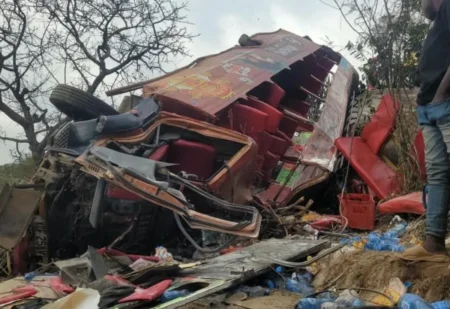
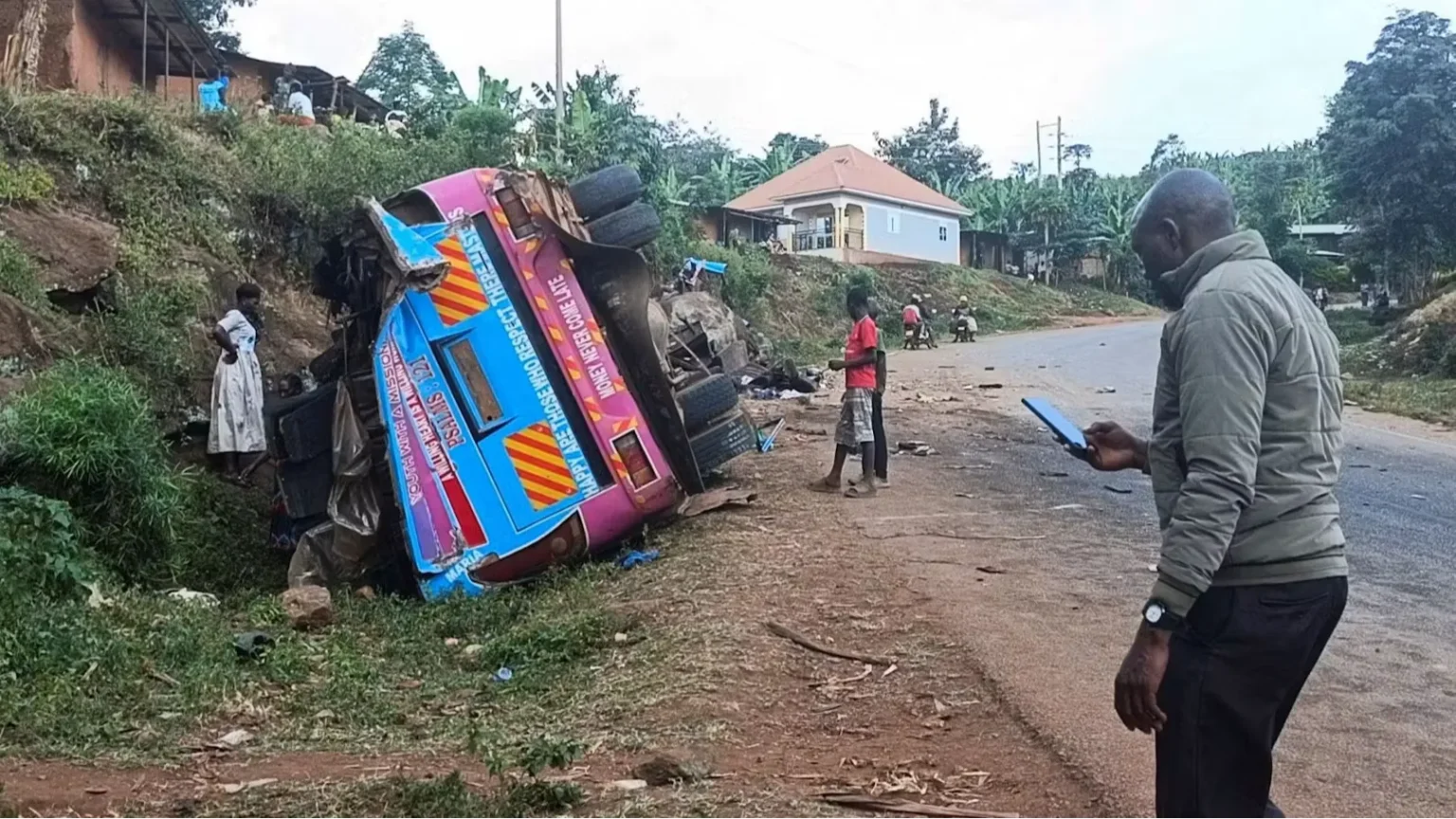
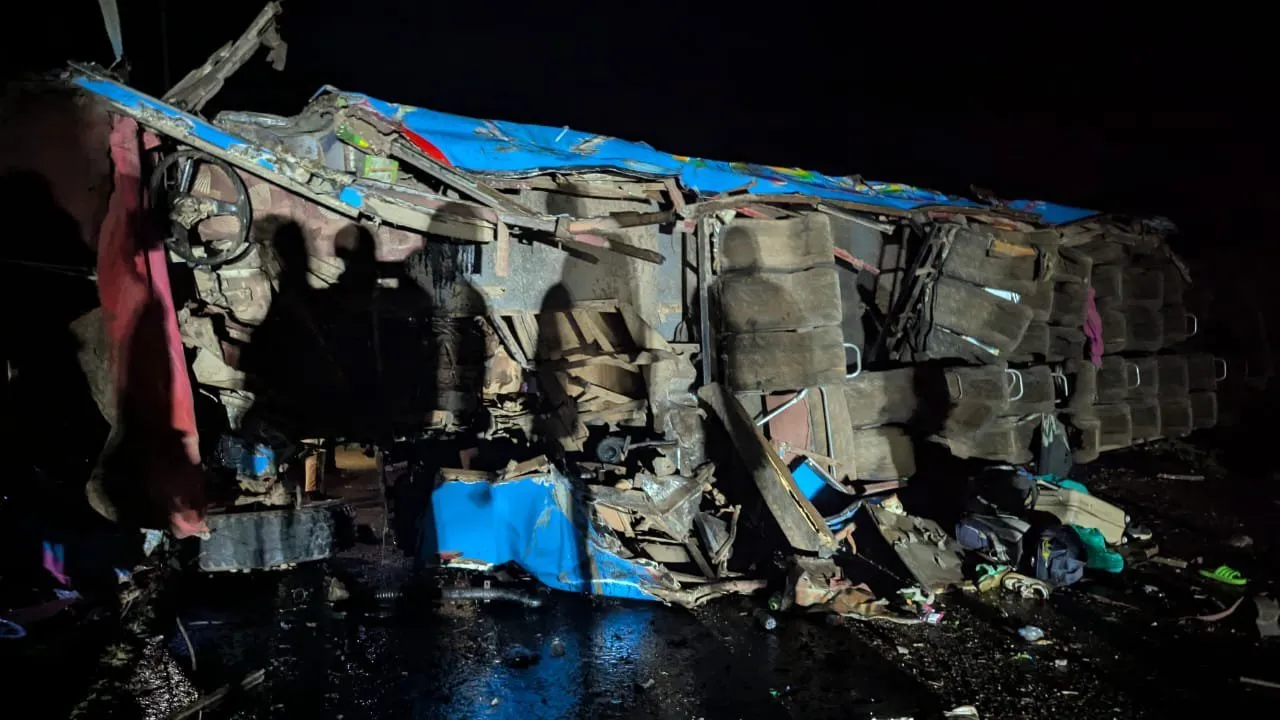
A bus carrying pupils from King David Junior School in Ndejje, registration number UA 108BQ, overturned in Kapchorwa District on Thursday 16, July 2026 evening, killing at least 20 children and the school’s founder and director, Mr Tadeo Ssekade. Dozens of others were injured, some critically, after the vehicle reportedly lost control while descending Chekwatit Hill as the pupils returned from an educational tour.
Within hours of the crash, the government took the extraordinary step of suspending all school trips nationwide.
The decision reflects not only the scale of the tragedy but also a growing concern that school excursions—long regarded as an important extension of classroom learning—may be exposing children to risks that Uganda’s road safety systems have struggled to manage.
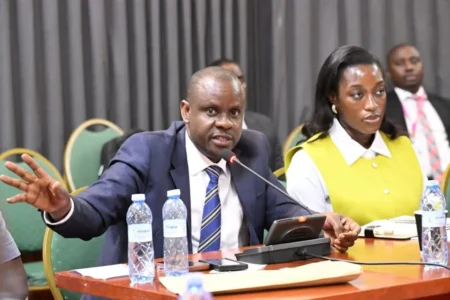
“As an immediate precautionary measure, we must do something about the safety of our children,” Education Minister John Chrysostom Muyingo said while announcing the temporary suspension.
“The nation has suffered a great loss, I would like us to work hand in hand so that those who survived are well taken care of.”
The announcement came as grieving families, government officials and emergency responders continued to piece together the events that turned a school outing into a national tragedy.
According to traffic police, the crash occurred at about 8:00 p.m. in Chekwatit Village.
Traffic Police spokesperson Michael Kananura said preliminary reports indicate the driver lost control of the bus before it veered off the road.
“The driver reportedly lost control of the vehicle, which veered off the road, struck a large stone along the roadside, and overturned,” he said.
Local officials have since indicated that preliminary investigations point to a possible mechanical defect before the crash occurred. The findings remain subject to a full technical investigation.
For many Ugandans, however, the tragedy has already revived a familiar and uncomfortable conversation about the state of road safety.
The stretch of road where the accident occurred is not unknown to authorities.
Chekwatit Hill has witnessed multiple serious crashes over the years, reinforcing concerns about the combination of steep terrain, vehicle condition and driver management on some of the country’s most challenging roads.
Yet the significance of this accident extends beyond a single road or a single bus.
It touches on a broader reality confronting Uganda and many African countries: the tension between expanding educational opportunities and the safety infrastructure required to support them.
School trips have become an increasingly common part of Uganda’s education system.
They offer pupils the chance to experience geography, history, science and culture beyond textbooks. Visits to tourist attractions, historical sites, agricultural projects and industrial facilities are often regarded as valuable learning experiences that help bridge the gap between theory and practice.
For many children, these excursions become some of the most memorable moments of their school years.
That is partly what makes tragedies such as the Kapchorwa crash so devastating.
The pupils aboard the bus were reportedly returning from Sipi Falls, one of Uganda’s best-known tourist destinations, when disaster struck.
Hours earlier, they had likely been taking photographs, asking questions and enjoying a journey designed to enrich their education.
By nightfall, families were receiving news that would change their lives forever.
Local Government Minister Balaam Ateenyi Barugahara, who visited survivors and rescue teams, described the scale of the loss.
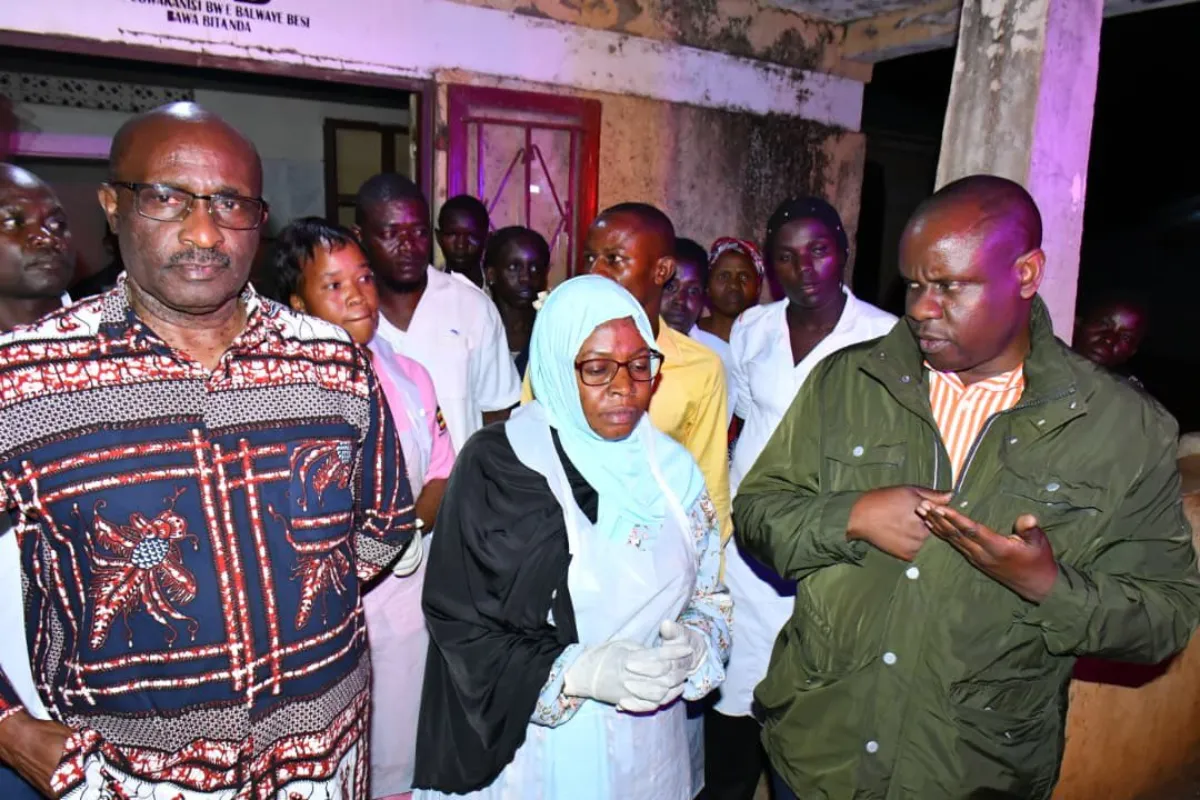
“Sadly, 20 children and one adult, who happens to be the founder and director, Mr Tadeo Ssekade, have gone to be with the Lord,” he said.
Videos circulating on social media showed the aftermath of the crash, with residents rushing to assist injured children before emergency services arrived.
The response highlighted another recurring feature of road disasters in Uganda: the crucial role played by local communities.
In many accidents occurring far from major urban centres, it is often residents, boda boda riders and nearby travellers who become the first responders, providing lifesaving assistance during the critical minutes before ambulances and rescue teams reach the scene.
But while the immediate response has been widely praised, attention is increasingly turning to prevention.
Road safety experts have long argued that major crashes are rarely caused by a single factor.
Instead, they typically emerge from a chain of failures involving vehicle condition, driver behaviour, road design, enforcement gaps and operational oversight.
Uganda’s road safety statistics illustrate the scale of the challenge.
According to the Uganda Police annual crime report, the country recorded 26,044 road crashes in 2025, an increase from 25,107 in 2024.
Of these, 4,602 were fatal, resulting in more than 5,300 deaths.
Police data consistently identifies speeding, reckless overtaking, distracted driving and poor vehicle maintenance among the leading causes of serious accidents.
School transport presents additional risks.
Many educational institutions rely on buses that travel long distances across varying terrain, often carrying large numbers of children. Ensuring the safety of such journeys requires rigorous vehicle inspections, driver training, route planning and adherence to operating standards.
The Kapchorwa crash has intensified scrutiny of whether those safeguards are consistently applied.
It also arrives at a time when concerns about school transport safety were already growing.
Recent weeks have seen several high-profile accidents involving school buses and educational institutions.
Among them was a fatal collision between a school bus and a passenger train in Mukono District, which killed the wife of a school head teacher and left several people injured. Earlier incidents involving school transport have similarly raised questions about safety protocols and enforcement.
Also Read: Bus carrying students hit by train in Mukono, head teacher’s wife killed
Against that backdrop, the government’s decision to suspend school trips appears designed to create space for a comprehensive review.
The temporary ban is unlikely to be popular with schools, tourism operators or parents who value experiential learning.
Yet officials argue that the immediate priority must be ensuring that educational travel can take place safely.
The challenge now facing policymakers is balancing those two objectives.
Closing off learning opportunities indefinitely is not a sustainable solution.
Neither is accepting recurring tragedies as an unavoidable cost of educational travel.
The coming investigation will therefore carry significance beyond establishing what happened on Chekwatit Hill.
It will likely influence how schools organise excursions, how buses are inspected, how drivers are vetted and how risk assessments are conducted before children embark on long-distance journeys.
For the families affected, however, policy debates offer little comfort.
Across Uganda, parents who sent their children on what should have been a routine school trip are now preparing funerals instead of welcoming them home.
The government’s suspension of school trips may be temporary.
The questions raised by the Kapchorwa tragedy are likely to endure much longer.
Because beyond the statistics, beyond the investigations and beyond the policy reviews lies a painful reality: a journey intended to educate a generation of young Ugandans has instead become a national lesson in the consequences of road safety failures.