




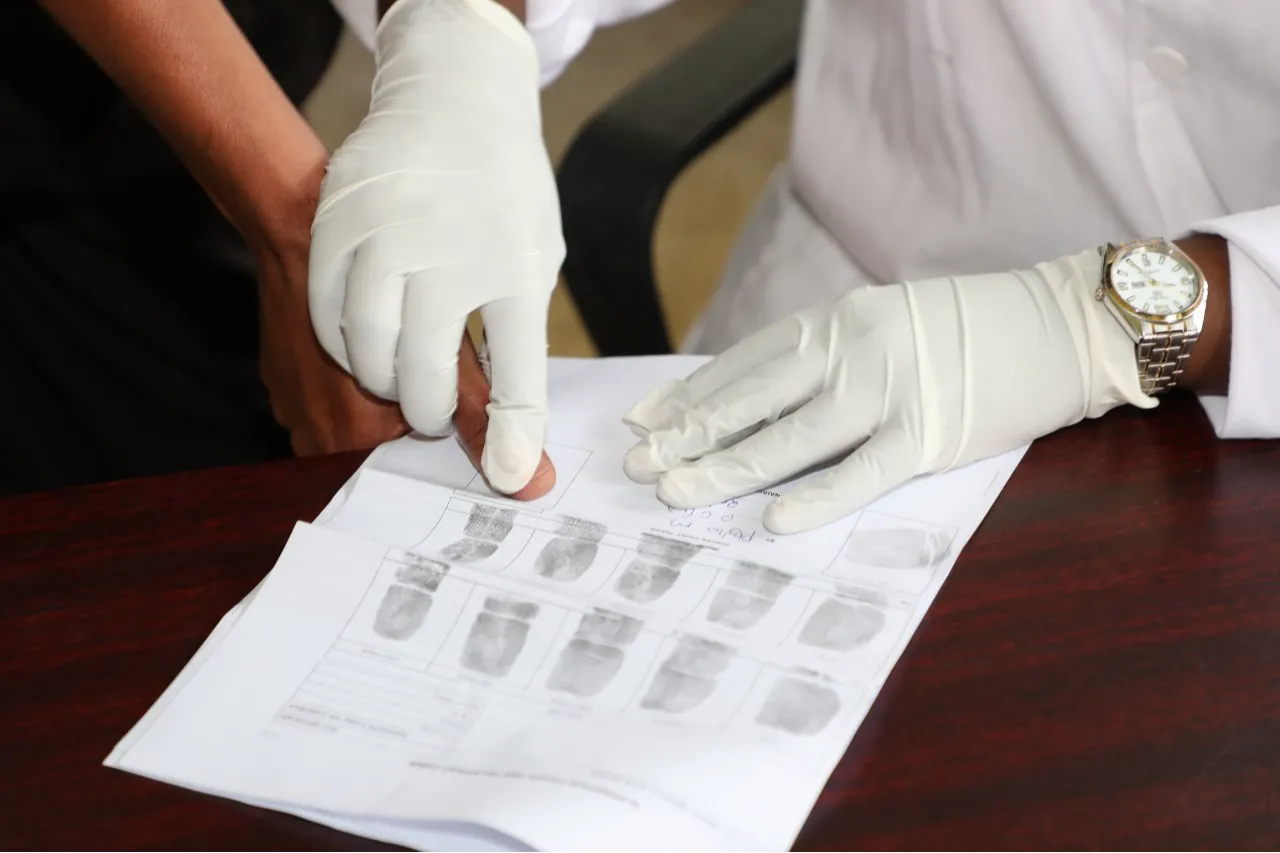
NAIROBI, Kenya — Kenyans applying for Certificates of Good Conduct could soon receive the document within 24 hours, a dramatic reduction from the current waiting period of up to two weeks, after the Directorate of Criminal Investigations (DCI) announced the rollout of a new biometric identification platform.
The agency said it will officially launch the Multi-Biometric Identification System–Automated Biometric Identification System Version 5 (MBIS-ABIS V5) on July 20, describing it as a major upgrade aimed at improving identity verification, accelerating service delivery, and strengthening criminal investigations.
If successfully implemented, the system could significantly reduce delays associated with one of Kenya’s most sought-after government documents, which is commonly required for employment, visa applications, higher education admissions, licensing, and other official processes.
Faster processing
The DCI says the new platform replaces an older fingerprint identification system that has served the agency for years but is increasingly constrained by growing demand and expanding databases.
Under the upgraded system, biometric information submitted by applicants will be processed faster, allowing investigators and verification officers to conduct background checks more efficiently.
Officials believe the technology will drastically reduce turnaround times, with some applications potentially being processed within a single day.
The Certificate of Good Conduct, officially known as a Police Clearance Certificate, confirms whether an individual has a criminal record in Kenya and remains a key requirement for both local and international opportunities.
More than just Good Conduct Certificates
While faster issuance of certificates is expected to attract the most public attention, the DCI says the platform’s benefits extend far beyond public service delivery.
The agency expects the system to improve criminal investigations through more accurate biometric matching and advanced forensic capabilities.
Detectives will be able to compare fingerprints and other biometric records against larger databases more quickly, helping identify suspects, eliminate duplicate records, and strengthen investigative accuracy.
The upgrade comes at a time when law enforcement agencies worldwide are increasingly relying on biometric technologies to support criminal investigations and enhance identity management systems.
Part of Kenya’s digital transformation agenda
The launch aligns with the government’s broader push to digitise public services and reduce bureaucracy through technology-driven solutions.
Recent reforms have included the introduction of digital birth registration systems and plans to roll out a new generation of digital national identity cards.
Government officials have argued that integrating digital identity systems across agencies can improve efficiency, reduce fraud, and make public services more accessible.
The DCI’s biometric platform is expected to complement these initiatives by creating a more seamless identity verification framework across government institutions.
Experts say integrated biometric systems can help eliminate duplicate identities, improve records management, and strengthen the security of government databases.
Years in development
The MBIS-ABIS project has been under development for several years as part of efforts to modernise the DCI’s forensic and identification infrastructure.
The agency has been seeking to replace ageing systems with technology capable of handling millions of biometric records while supporting increasingly sophisticated investigative needs.
Also Read: Kenya plans to link national ID database with facial recognition CCTV system
The new platform is expected to offer enhanced storage capacity, improved search capabilities, and faster processing speeds than previous systems.
Although the DCI has not announced any changes to application fees or submission procedures, officials say additional details will be provided during the official launch.
What it means for applicants
For thousands of Kenyans who apply for Certificates of Good Conduct every year, the upgrade could translate into shorter waiting times and quicker access to employment, travel, and educational opportunities.
Many applicants have long complained about delays that can affect job applications and other time-sensitive processes.
If the promised improvements are realised, the new biometric system could mark one of the most significant reforms to police clearance services in recent years.
The rollout will also serve as a major test of Kenya’s wider digital transformation efforts as government agencies increasingly turn to technology to improve efficiency, strengthen security, and enhance public service delivery.