



NAIROBI, Kenya — Kenyans could face higher fuel prices in the coming months as renewed conflict in the Middle East drives up global crude oil prices, prompting the government to warn that the impact is likely to be reflected in future fuel pricing reviews.
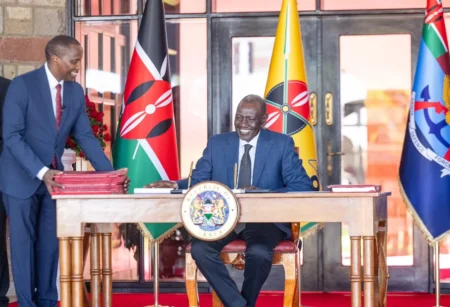
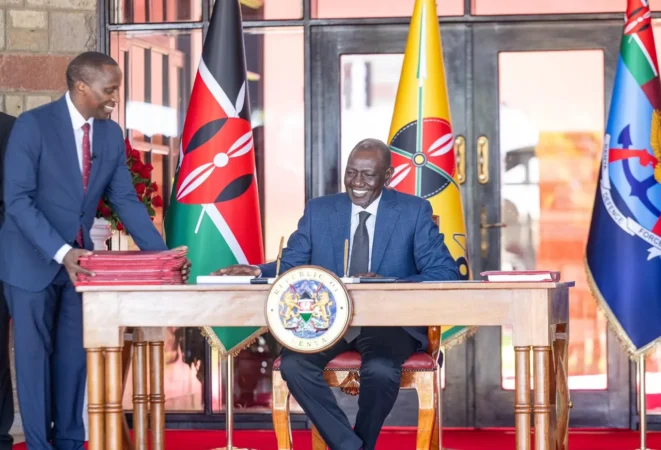
The warning came on Tuesday 14, July 2026 as the government announced fresh measures aimed at cushioning consumers, including extending the reduced 8% Value Added Tax (VAT) on petroleum products for another three months and deploying a KSh945 million subsidy to keep pump prices stable during the July–August pricing cycle.
Energy and Petroleum Cabinet Secretary Opiyo Wandayi said renewed military tensions around the Strait of Hormuz—one of the world’s busiest oil shipping routes—have begun pushing international oil benchmark prices higher after a period of relative stability.
“With the restart of the Middle East crisis, international benchmarks have now begun to climb again, and this renewed pressure will be reflected in the pricing cycles that follow,” Wandayi said.
Government moves to cushion consumers
To soften the impact of rising global oil prices, the government, in consultation with the National Treasury, extended the reduced 8% VAT on petroleum products until October 14, 2026.
The lower tax rate, introduced earlier this year after oil prices surged, was due to expire this month. Keeping it in place is intended to reduce the pressure on households, transport operators and businesses that depend on fuel.
The government will also inject KSh945 million from the Petroleum Development Levy (PDL) into the July–August fuel pricing cycle to maintain current pump prices.
“These interventions reflect our broader commitment to protecting consumers, supporting businesses and safeguarding the economy from external shocks while ensuring that petroleum products remain as affordable as possible under prevailing global market conditions,” Wandayi said.
Why the Middle East matters to Kenya
Kenya imports virtually all of its refined petroleum products, making local fuel prices highly sensitive to developments in global energy markets.
The Strait of Hormuz, located between Iran and Oman, carries a substantial share of the world’s seaborne crude oil and liquefied natural gas exports. Any disruption to shipping through the narrow waterway can increase crude oil prices, freight charges and marine insurance costs, ultimately affecting fuel-importing countries such as Kenya.
According to the Energy Ministry, commercial shipping traffic through the Strait has declined amid renewed attacks on vessels, contributing to heightened volatility in international oil markets.
No fuel shortages expected
Despite concerns over global supply disruptions, Wandayi assured Kenyans that the country has adequate petroleum stocks and that fuel remains available nationwide.
He said Kenya’s Government-to-Government (G2G) fuel import arrangement has continued to ensure scheduled fuel cargoes arrive on time despite instability in the Gulf region.
The ministry said cargoes are now being sourced from a broader range of loading locations beyond the Gulf, helping maintain uninterrupted supplies.
Also Read: US-Iran strikes intensify as shipping through Strait of Hormuz collapses
According to Wandayi, the G2G arrangement has also insulated Kenya from higher freight and insurance costs affecting importers that rely on spot market purchases.
“Kenya has continued to pay the same fixed freight and premium,” he said, describing the programme as delivering the stability it was designed to provide during periods of global market uncertainty.
What motorists should expect
The government’s announcement does not mean fuel prices will increase immediately.
Instead, it signals that if international crude oil prices continue rising, the Energy and Petroleum Regulatory Authority (EPRA) could face upward pressure when determining pump prices in subsequent monthly reviews.
For now, the VAT extension and subsidy are expected to cushion motorists and businesses by limiting the immediate impact of higher international oil costs. However, analysts note that prolonged instability in the Middle East could eventually outweigh those interventions if global crude prices continue climbing.