

KAMPALA, Uganda — The Uganda Communications Commission (UCC) has said discussions are ongoing among government agencies and stakeholders aimed at resolving the shutdown of Nation Media Group Uganda (NMG-U) outlets, offering the strongest indication yet that authorities are seeking a way out of a dispute that has disrupted some of the country’s most influential media platforms.
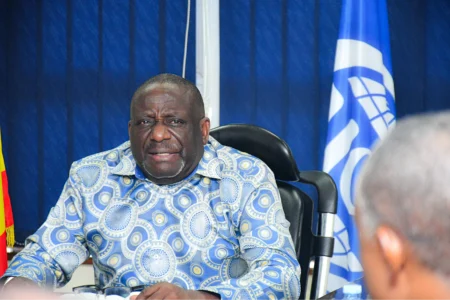
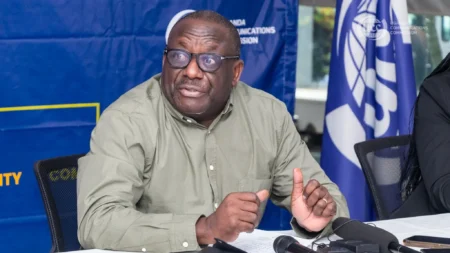
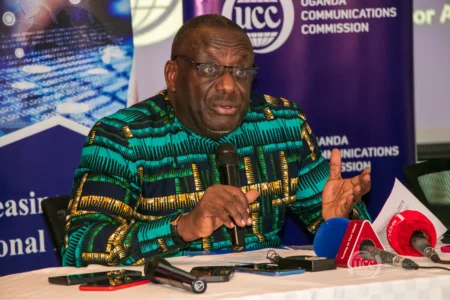
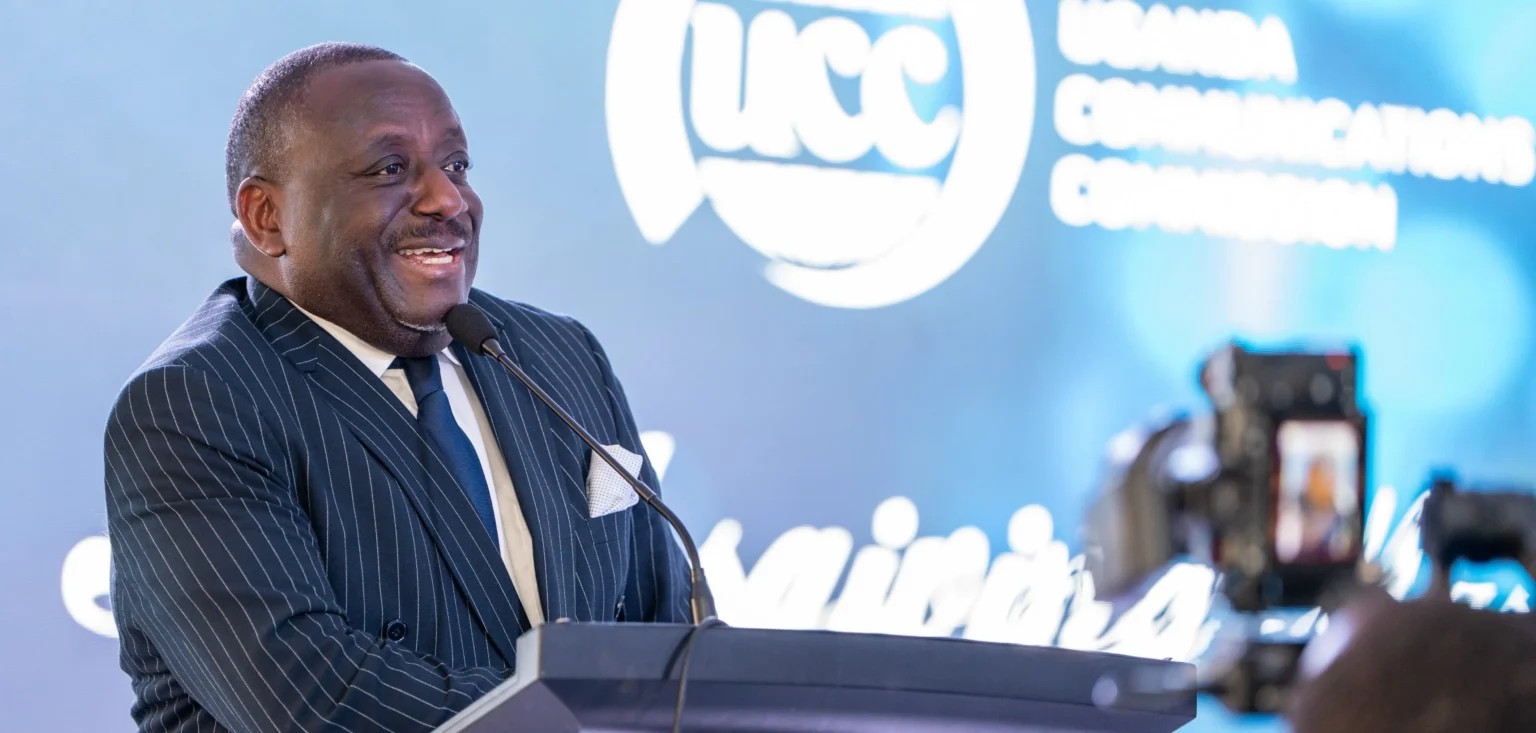
In a formal response to the National Association of Broadcasters (NAB), UCC Executive Director Nyombi Thembo said consultations involving relevant government stakeholders were continuing and that updates would be provided once the engagements are concluded.
“As communicated in my statement of 30 June 2026, consultations are ongoing among the relevant government stakeholders with a view to resolving issues related to the disruption of broadcasting services at the Nation Media Group outlets,” Nyombi said in a letter dated July 2.
The letter was addressed to NAB Chairperson Innocent Nahabwe.
The UCC response followed a June 28 appeal by the National Association of Broadcasters (NAB), which questioned the legality of the actions that led to the closure of NMG outlets and called on the regulator to intervene.
NAB argued that while broadcasters support lawful enforcement of media regulations, the actions taken against Nation Media Group appeared to have occurred outside the established communications regulatory framework.
The association reminded UCC of its statutory role under the Uganda Communications Act, 2013, which mandates the commission to license, regulate and facilitate communications services across Uganda.
“As the regulator of the communications sector, your commission is mandated under Section 5 of the Uganda Communications Act, 2013 to license, regulate and facilitate the provision of communication services,” NAB said in its letter.
The association further warned that prolonged disruption of media operations could negatively affect Uganda’s investment climate, media freedom credentials and international reputation.
The shutdown followed an overnight security operation on June 28 that blocked access to Nation Media Group facilities in Namuwongo and at the Kampala Serena International Conference Centre.
The operation effectively halted operations at several of Uganda’s most prominent media brands.
Among the affected outlets were:
- NTV Uganda
- Spark TV
- KFM
- Dembe FM
- Daily Monitor
- The EastAfrican
The disruption forced NTV Uganda and Spark TV off-air, while KFM and Dembe FM ceased broadcasting. Printing and distribution of the Daily Monitor newspaper were also interrupted.
The closure affected journalists, editors, technicians, presenters, administrative staff and contractors whose work depends on the media group’s operations.
In its response, the communications regulator referred NAB to an earlier statement by ICT and National Guidance Minister Justine Kasule Lumumba, who said the shutdown was linked to a security investigation.
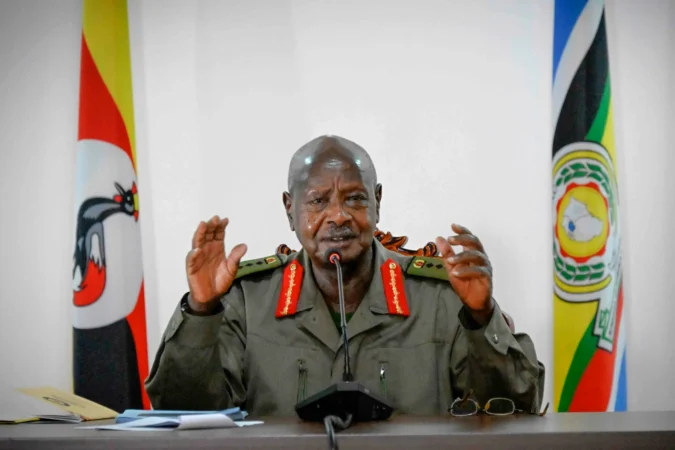
According to Lumumba, the actions taken against Nation Media Group were part of a broader security-led inquiry initiated by President Yoweri Museveni.
“The disruption of operations at Nation Media Group arose from a security-led inquiry instituted by H.E. Yoweri Kaguta Museveni, President of the Republic of Uganda,” the minister said.
Neither the minister nor security agencies have publicly released detailed findings explaining the specific allegations that prompted the operation.
The shutdown has generated concern among journalists, media rights organisations and civil society groups, many of whom argue that restrictions on media operations should be handled through transparent legal and regulatory procedures.
Uganda’s media sector has experienced periodic tensions with authorities over coverage of political developments, elections and national security matters.
Also Read: East African Press Councils warn against media crackdown in Kenya and Uganda
Press freedom advocates argue that media houses play a critical role in informing the public and ensuring accountability, particularly during periods of heightened political activity.
The temporary closure of one of East Africa’s largest independent media groups has therefore attracted significant attention both within Uganda and across the region.
For now, UCC says discussions remain ongoing and has asked stakeholders to remain patient as engagements continue.
“The Commission appreciates your patience as consultations continue with the affected media organisation and relevant stakeholders,” Nyombi said.
The outcome of those consultations could determine when, and under what conditions, Nation Media Group’s television, radio and newspaper operations fully resume.
For hundreds of employees and millions of consumers who rely on the group’s media platforms, the resolution of the dispute remains closely watched.