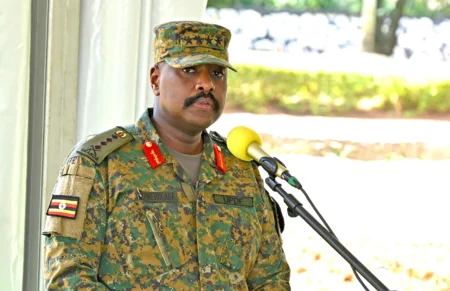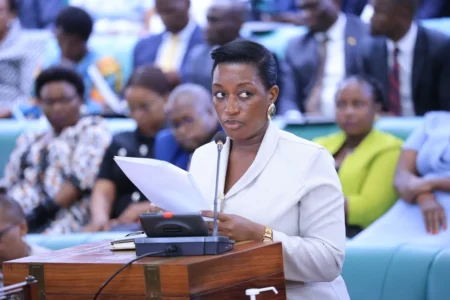

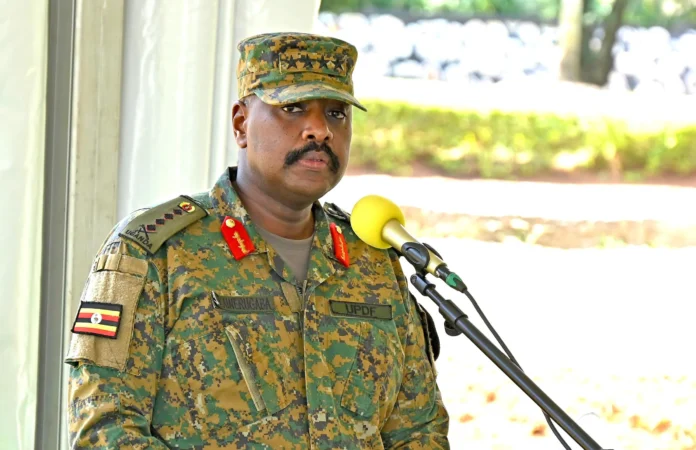


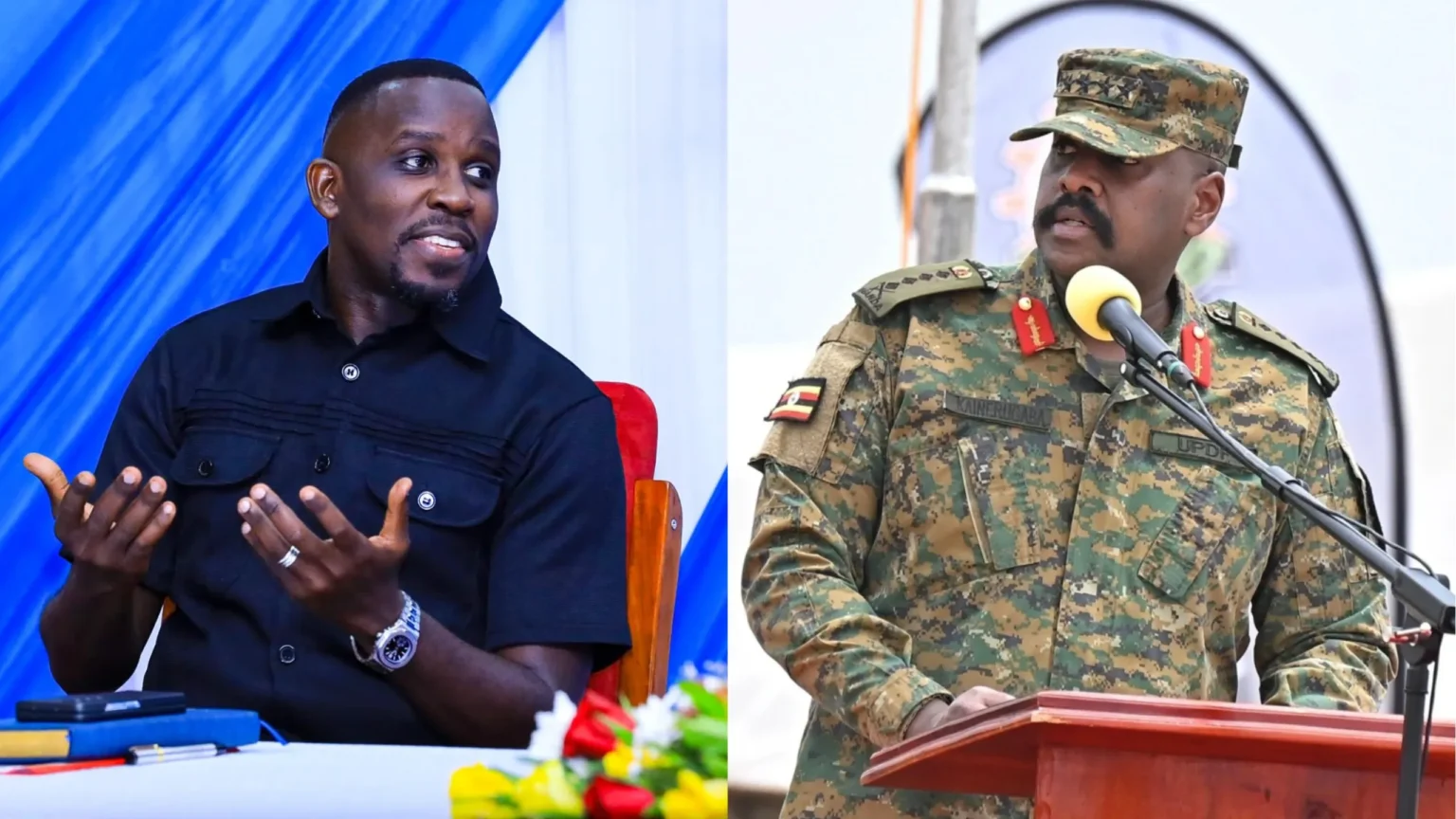
KAMPALA, Uganda — A section of Members of Parliament (MPs) linked to the Patriotic League of Uganda (PLU) are reportedly exploring political options to remove Leader of the Opposition (LoP) Joel Ssenyonyi from office, following renewed calls by Chief of Defence Forces (CDF) Gen. Muhoozi Kainerugaba for a change in opposition leadership.
Gen Muhoozi, who also chairs PLU, has publicly directed the group to look into replacing Ssenyonyi, signalling what appears to be an escalating political confrontation between the military leadership and Uganda’s main opposition structures.
“I want a new leader of the opposition in Parliament. And I will get him. He will be endorsed by me,” Gen Muhoozi posted on X.
He later added that he had instructed PLU to “study how to remove @JoelSsenyonyi from being leader of the opposition as soon as possible.”
Kasambya County MP David Kabanda, a PLU-aligned legislator, responded enthusiastically, suggesting the process could be completed within two weeks.
“Count it done Sir. Two weeks are enough!,” Kabanda wrote.
However, despite the political momentum within PLU ranks, Uganda’s parliamentary legal framework places firm restrictions on how, and by whom, the Leader of the Opposition (LoP) can be removed.
Legal structure shields opposition leadership role
Under the Administration of Parliament (Amendment) Act, 2006, the Leader of the Opposition is not elected or removed by the entire House, but is instead selected internally by the opposition party with the largest number of seats in Parliament.
At present, that party is the National Unity Platform (NUP), which appointed Ssenyonyi to the position following internal party processes. The Speaker of Parliament merely formalises the appointment after receiving notification from the party.
This structure effectively places the office outside the reach of parliamentary censure motions or general House votes, distinguishing it from positions such as the Speaker, Deputy Speaker, ministers, or parliamentary commissioners.
As a result, PLU — and even the wider Parliament — has no direct legal mechanism to remove Ssenyonyi through a vote of no confidence or censure.
How the Leader of the Opposition can be removed
The law provides only a limited set of circumstances under which a Leader of the Opposition can cease to hold office.
These include removal by the appointing party, resignation, loss of parliamentary seat, leaving the party that appointed them, or if the party itself ceases to be the largest opposition group in Parliament.
In Ssenyonyi’s case, this means only NUP holds the authority to withdraw his mandate. Alternatively, he would have to resign or lose his parliamentary seat for the office to fall vacant.
None of these conditions grants PLU, the ruling NRM establishment, or the full House unilateral power to force removal through parliamentary procedure.
Why a parliamentary censure route is unavailable
Unlike ministers, who serve in the executive and can be censured under constitutional provisions, or parliamentary officers such as the Speaker and Deputy Speaker who are elected by MPs, the Leader of the Opposition derives authority from party structure rather than the plenary.
Legal experts note that this design was intended to protect opposition independence and prevent the executive or parliamentary majority from directly influencing opposition leadership.
As such, any attempt to remove the holder outside party structures lacks legal backing under current law.
Removal procedures for other parliamentary offices
By contrast, removal of the Speaker or Deputy Speaker follows a strict parliamentary procedure requiring notice signed by at least one-third of MPs, tabling within 14 days, and approval by a two-thirds majority vote.
The affected officer is entitled to appear or be represented during the proceedings but cannot preside over the session debating their removal.
This legal clarity does not extend to the Leader of the Opposition, further limiting PLU’s options.
Failed attempt to reform the system
The current legal framework was recently challenged by Mityana South MP Richard Lumu through the Administration of Parliament (Amendment) Bill, 2024.
The proposed legislation sought to broaden participation in selecting the Leader of the Opposition, allowing all opposition MPs, rather than only the largest opposition party, to vote in the decision.
It also proposed introducing additional grounds for removal, effectively weakening the exclusive authority of the dominant opposition party.
However, the Bill faced strong resistance from opposition legislators and was widely criticised as an attempt to interfere with party autonomy. It was eventually withdrawn in March 2026, leaving the existing legal structure intact.
Political pressure remains the only viable route
With legal pathways effectively closed, PLU’s strategy would likely depend on political mobilisation within Parliament and the opposition bloc.
This could include lobbying individual MPs, building internal opposition pressure against Ssenyonyi’s leadership, or attempting to influence NUP’s internal decision-making processes.
Also Read: Uganda tensions rise as Gen Muhoozi targets opposition leaders
However, without action from NUP itself, or a loss of parliamentary seat or party status, Ssenyonyi remains legally secure in his position.
Broader implications for Uganda’s opposition politics
The renewed push against Ssenyonyi highlights deeper tensions between Uganda’s formal parliamentary rules and the country’s increasingly personalised political dynamics.
While PLU’s campaign reflects growing political assertiveness from figures aligned with Gen Kainerugaba, the legal framework continues to place decisive authority over opposition leadership within party structures rather than state institutions.
For now, the debate underscores a central reality: the fate of the Leader of the Opposition (LoP) in Uganda is determined less by Parliament, and more by the internal politics of the opposition party itself.