



KAMPALA, Uganda — Ugandans are set to feel the impact of a raft of new tax measures approved for the 2026/27 financial year, with economists and businesses warning that higher levies on fuel, sugar, motorcycles and other goods could ripple through household budgets and the wider economy.
The new tax package, which takes effect on July 1, forms part of the government’s efforts to raise more domestic revenue as external financing becomes increasingly constrained and pressure mounts to fund public expenditure locally.
While some measures offer relief to low-income earners and small businesses, others are expected to increase the cost of living and the cost of doing business.
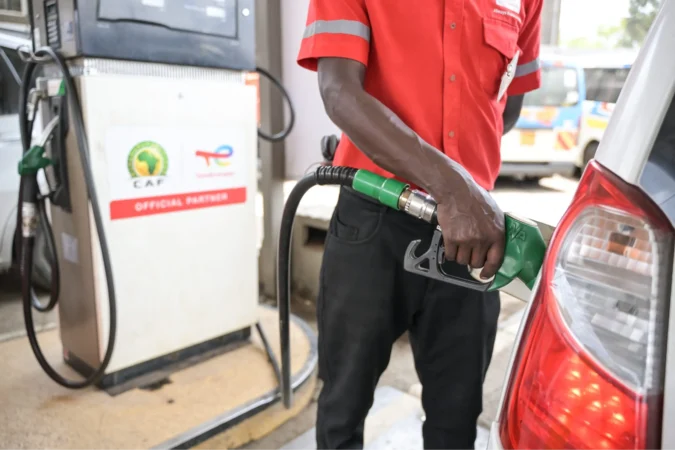
At the centre of public debate is a new Shs200 levy on every litre of fuel.
The government has described the charge as modest, but analysts warn that fuel taxes often have effects far beyond petrol stations because transport costs influence the prices of goods and services across the economy.
A motorist filling a 40-litre fuel tank would pay an additional Shs8,000 under the levy, while transport operators, logistics companies and boda boda riders could face significantly higher operating costs.
Finance State Minister Henry Musasizi told Parliament that the levy is unlikely to substantially affect pump prices. However, economists argue that even relatively small increases in fuel costs can trigger inflationary pressure through supply chains.
In a country where transportation plays a critical role in food distribution, commuting and business operations, any increase in fuel costs is likely to be closely watched.
The excise duty on sugar will triple from Shs100 to Shs300.
Although the final impact on retail prices will depend on manufacturers and traders, consumers may eventually face higher prices for one of the country’s most commonly used household products.
Construction costs could also rise following the introduction of a Shs750 tax on every 50-kilogram bag of cement.
The measure is expected to affect individual home builders, property developers and infrastructure projects, particularly in a market where many families construct homes gradually over several years.
The motorcycle sector, a major source of employment across Uganda, will also be affected.
Registration fees for motorcycles at first registration will increase from Shs200,000 to Shs500,000.
The higher charge raises the cost of entering the boda boda business and could affect fleet expansion, financing arrangements and future transport pricing.
Industry players warn that increased registration costs may ultimately be passed on to passengers through higher fares.
Not all changes involve higher taxes.
Under amendments to the Value Added Tax (VAT) law, the registration threshold has been increased from Shs150 million to Shs300 million in annual turnover.
The move means some small and medium-sized enterprises (SMEs) will no longer be required to register for VAT, potentially reducing compliance costs and administrative burdens.
The government has also exempted individuals earning up to Shs335,000 per month from Pay As You Earn (PAYE), a measure intended to protect lower-income workers.
At the same time, higher earners will continue paying the 40 per cent PAYE rate on monthly incomes exceeding Shs10 million, while a new 10 per cent annual surcharge will apply to earnings above Shs120 million.
The changes reflect the government’s attempt to strengthen progressive taxation by increasing contributions from wealthier taxpayers.
The tax net is also expanding into sectors that have historically generated limited revenue for government.
Public entertainers will now be subject to a six per cent withholding tax, while the withholding tax on betting and gaming winnings will rise from 20 per cent to 30 per cent.
Parliament has also approved a 30 per cent tax on imported second-hand clothes, commonly known as mivumba.
Government officials say the measure is designed to support Uganda’s textile and manufacturing industries by encouraging local production.
However, critics argue that second-hand clothing remains the most affordable option for many households and that higher taxes could disproportionately affect low-income consumers.
In a move aimed at attracting investment, Parliament reduced the minimum investment threshold for hotel developers from US$5 million to US$1.5 million.
The government hopes the lower requirement will encourage greater investment in tourism infrastructure and support growth in one of Uganda’s key economic sectors.
The new tax measures highlight a broader challenge facing Uganda’s economy: how to generate sufficient domestic revenue without placing excessive pressure on households and businesses.
Also Read: Uganda passes new fuel tax as excise duty hike raises cost-of-living concerns
With public debt obligations rising and external financing becoming more difficult to access, government has increasingly turned to taxation as a source of funding.
Whether the strategy succeeds will largely depend on how effectively the additional revenue is translated into public services, infrastructure development and economic opportunities.
For many Ugandans, the real impact of the tax changes will not be measured in parliamentary debates or budget documents, but in everyday expenses—from fuel bills and transport fares to food prices and business operating costs.
As the new financial year begins, households and businesses alike will be watching closely to see how quickly those changes are reflected in their daily lives.