



OTTAWA, Canada — Canada has become the first G7 nation to approve generic versions of semaglutide injections, a development expected to significantly reduce the cost of popular diabetes and weight-loss medications and improve access for millions of patients.
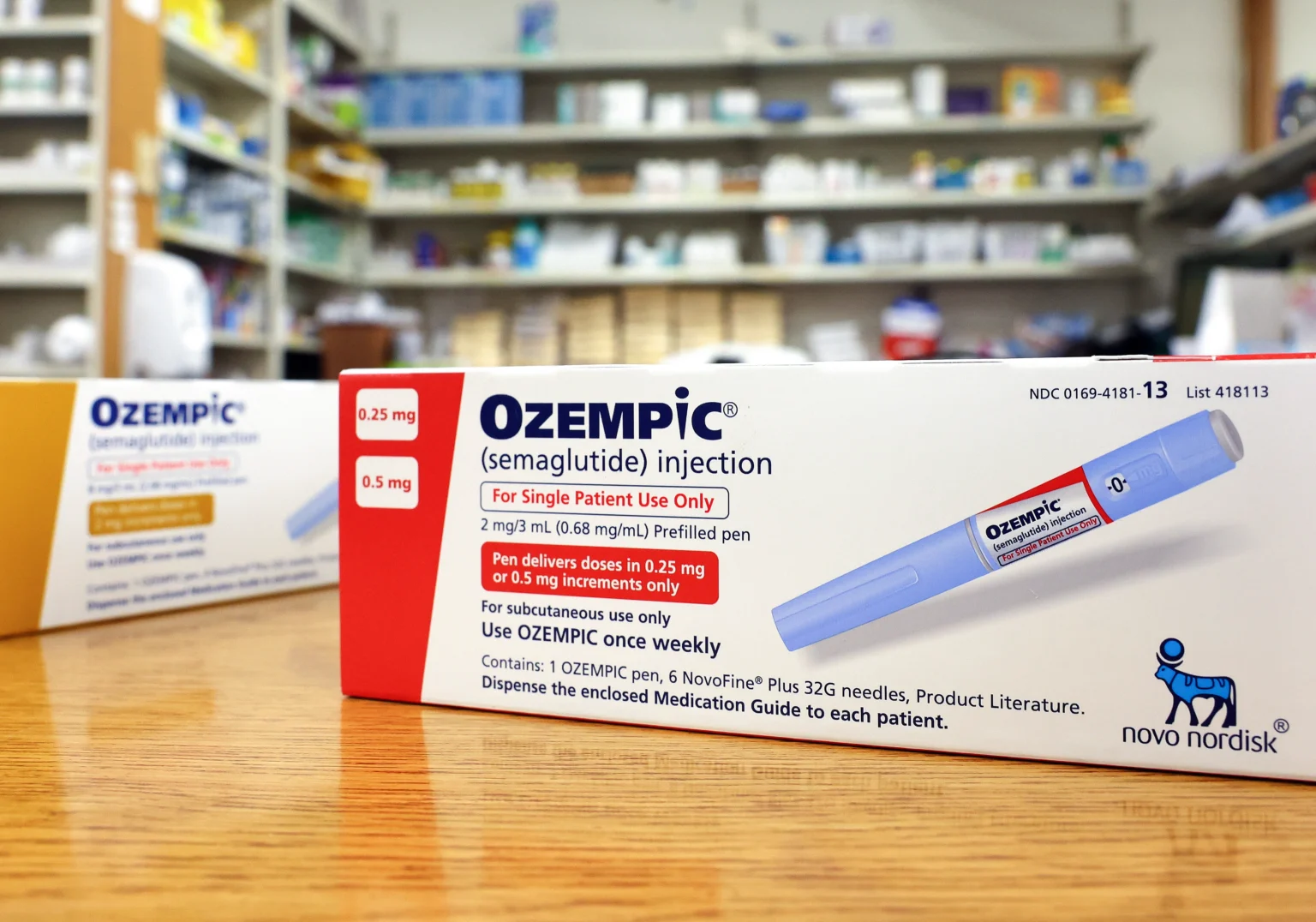
The approval marks a major shift in the rapidly growing market for GLP-1 drugs, which include blockbuster medications such as Ozempic and Wegovy. Health experts say the move could increase affordability for patients struggling with obesity, type 2 diabetes, and related health conditions while intensifying pressure on pharmaceutical manufacturers to lower prices.
The generic products, approved by Health Canada, are expected to be available in pharmacies from June and could cost less than one-third of the price of branded alternatives.
Relief for patients facing high costs
For many Canadians, the arrival of generic semaglutide offers relief from the financial burden associated with long-term treatment.
Elizabeth Doran, a 69-year-old retiree from Ottawa, began taking Wegovy nearly a year ago to lose weight and reverse prediabetes and high blood pressure. Because she was prescribed the medication for weight management rather than diabetes treatment, she did not qualify for Ontario’s public drug coverage programme for seniors.
As a result, Doran said she had been spending between CAD 350 and CAD 500 every month on the medication.
“I was one decimal point away from being diabetic,” she said.
To afford the treatment, Doran took occasional substitute teaching jobs and relied on discount programmes offered by the manufacturer, Novo Nordisk.
The introduction of lower-cost generic alternatives is expected to ease that burden and make continued treatment more sustainable for many patients.
Generic competition reshapes the market
Health Canada has approved generic semaglutide products from Indian pharmaceutical giant Dr Reddy’s Laboratories and Canadian drug manufacturer Apotex.
The approvals follow similar developments in India, where dozens of generic versions have entered the market this year, triggering intense price competition and forcing Novo Nordisk to reduce the prices of Ozempic and Wegovy by nearly 50 per cent.
Industry analysts say Canada’s decision could become a model for other countries seeking to improve access to high-demand medications while reducing healthcare costs.
Dr Reddy’s Chief Executive Officer Erez Israeli said the company has applied for approval in more than 80 countries and expects its generic semaglutide products to become available across Africa, South America and much of Asia in the near future.
Why Canada got generics before the United States
One of the most significant aspects of Canada’s approval is that it comes years before similar products are expected to reach the United States.
According to patent experts, Novo Nordisk’s protection on semaglutide remains stronger in the United States due to patent extensions and regulatory exclusivity provisions that can prolong market monopolies.
Tahir Amin, founder of the Initiative for Medicines, Access & Knowledge (I-MAK), said generic semaglutide products are unlikely to become widely available in the United States until around 2032.
He noted that Novo Nordisk could have maintained patent protection in Canada for a longer period but failed to renew a key patent, opening the door for generic competition earlier than anticipated.
Novo Nordisk has described the Canadian situation as unique to the country’s patent and regulatory framework and said it does not reflect the status of semaglutide exclusivity in the United States.
Growing demand for GLP-1 medications
GLP-1 drugs have transformed treatment options for obesity and type 2 diabetes by helping patients control blood sugar levels while also promoting significant weight loss.
The medications have gained global popularity in recent years, with millions of people seeking prescriptions amid growing evidence that they may also reduce risks associated with heart disease and other obesity-related conditions.
More than three million Canadians are estimated to use GLP-1 medications, while in the United States the figure exceeds 15 million adults.
However, high prices have remained a major barrier.
Some uninsured Americans pay more than US$1,000 per month for branded semaglutide products, prompting many patients to seek cheaper alternatives through online pharmacies, compounded medications, or cross-border purchases.
Potential implications beyond Canada
The approval of generic semaglutide in Canada is likely to attract international attention, particularly from patients in countries where access remains limited by cost.
Experts caution, however, that regulatory restrictions and export controls may limit large-scale cross-border purchasing.
British Columbia previously introduced restrictions on Ozempic sales to non-residents after authorities found that a significant proportion of prescriptions were being filled for American customers through online pharmacies.
Despite those challenges, healthcare analysts say Canada’s decision could intensify pressure on regulators and pharmaceutical companies worldwide to address concerns over affordability and access.
Patients hope for long-term savings
For patients such as Doran and fellow Canadian Esther Linetsky, lower-cost alternatives represent more than financial savings.
Linetsky said she previously had to discontinue treatment temporarily because she could not afford higher doses as her therapy progressed.
“My doctor wanted me to go up to the next dose, but going up to the next dose meant increasing my cost, and I couldn’t afford to do it,” she said.
Also Read: Kenya’s Health Ministry warns against using ‘Ozempic’ for weight loss
With generic versions now entering the market, many patients hope they will be able to maintain treatment without sacrificing affordability.
Healthcare advocates argue that broader access to these medicines could ultimately reduce long-term healthcare spending by preventing diabetes, cardiovascular disease and other chronic illnesses associated with obesity.
As generic competition expands globally, Canada’s decision may mark a turning point in the accessibility of one of the world’s most sought-after classes of medicines.