

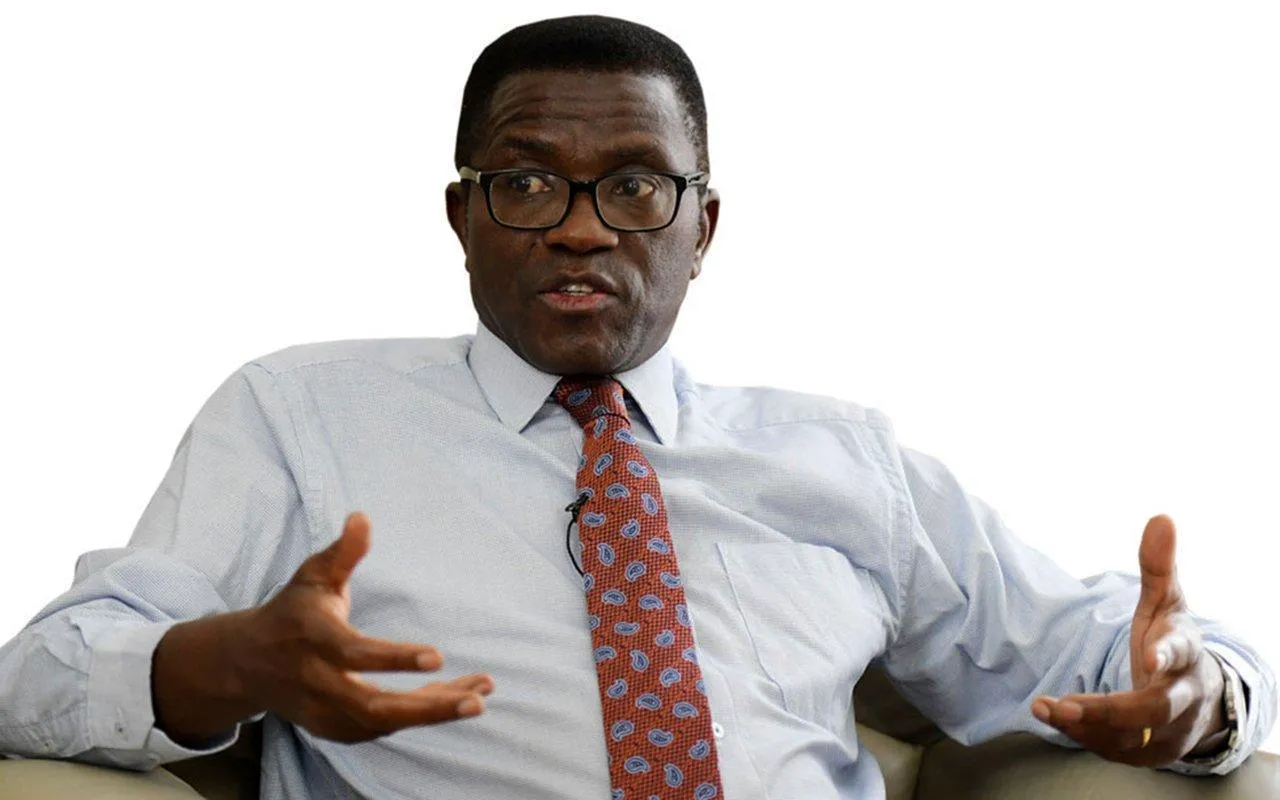
KAMPALA, Uganda — A statement by Buganda Kingdom Prime Minister (Katikkiro) Charles Peter Mayiga describing the Uganda Martyrs as “traitors” from the perspective of the Buganda Kingdom has ignited a heated national debate, reopening historical questions about faith, political authority and how Uganda interprets one of the most significant chapters in its history.
The remarks, reportedly made during an interview with local media ahead of this year’s Martyrs Day commemorations, have drawn strong reactions from religious leaders, historians, cultural commentators and members of the public, many of whom argue that the language used risks undermining the legacy of figures widely revered as symbols of faith and sacrifice.
At the centre of the controversy is the complex historical relationship between the Uganda Martyrs and the Buganda Kingdom during the reign of Kabaka Mwanga II.
Mayiga reportedly argued that while the martyrs are celebrated today as heroes of the Christian faith, the political leadership of Buganda at the time may have viewed them differently.
According to his interpretation, some of the young converts had rejected royal directives and increasingly aligned themselves with foreign religious influences, creating tensions within the kingdom during a period of significant political uncertainty.
His comments quickly sparked debate across social media platforms, radio talk shows and religious forums, with many Ugandans questioning whether it was appropriate to characterise the martyrs as traitors, particularly during a period dedicated to honouring their sacrifice.
For millions of Christians in Uganda and beyond, the Uganda Martyrs occupy a sacred place in religious history. The group of Catholic and Anglican converts were executed between 1885 and 1887 after refusing to renounce their faith under the rule of Kabaka Mwanga II.
Their deaths have become one of the defining narratives of Christianity in Africa, symbolising unwavering commitment to religious conviction in the face of persecution.
Every year, millions of pilgrims converge on Namugongo Martyrs Shrine to commemorate their sacrifice during Uganda Martyrs Day celebrations, making the event one of the largest religious gatherings on the continent.
Yet historians note that the story of the martyrs cannot be separated from the broader political realities of late 19th-century Buganda.
The period coincided with the arrival of European Christian missionaries and Arab traders, whose growing influence introduced new religious, political and cultural dynamics into the kingdom.
The emergence of competing centres of loyalty within the royal court created tensions between traditional authority structures and newly adopted faiths.
Some historical scholars argue that Kabaka Mwanga II perceived Christianity not merely as a religious movement but also as a political challenge that threatened the authority of the monarchy.
As more royal pages and court officials converted to Christianity, concerns reportedly grew within the kingdom that allegiance to foreign religious teachings could weaken traditional governance structures and undermine the Kabaka’s control.
It is within this historical context that supporters of Mayiga’s remarks say they should be understood.
According to some cultural analysts, the Katikkiro was not seeking to diminish the martyrs’ religious significance but rather to explain how their actions may have been interpreted by the Buganda state at the time.
They argue that historical events can be viewed through multiple lenses and that individuals celebrated as heroes in one context may be perceived differently when examined from the standpoint of political authority.
However, critics contend that while historical interpretation is important, the use of the term “traitors” carries powerful negative connotations that many believers find offensive when applied to figures who are recognised as saints and national heroes.
Several commentators have argued that the timing of the remarks, coinciding with Martyrs Day commemorations, has amplified public sensitivity and contributed to the intensity of the backlash.
Religious leaders have largely responded cautiously, with many preferring to emphasise the spiritual significance of the martyrs rather than engage directly in the political controversy.
Nonetheless, discussions within church circles and academic forums continue to reflect broader questions about how Uganda balances historical scholarship with deeply held religious beliefs.
The Uganda Martyrs’ place in Christian history was further cemented in 1964 when Pope Paul VI canonised the Catholic martyrs, elevating their story to global significance within the Catholic Church.
Today, Uganda Martyrs Day represents more than a religious observance. It serves as a national occasion for reflection, unity and remembrance, drawing pilgrims, tourists and dignitaries from across Africa and beyond.
Also Read: Jamaican dancehall star Spice visits Buganda Kingdom to celebrate Ugandan cultural tourism
The controversy surrounding Mayiga’s remarks has once again highlighted the enduring complexity of Uganda’s historical memory.
While religious communities continue to honour the martyrs as symbols of courage and faith, historians and cultural scholars increasingly point to the importance of understanding the political realities that shaped the events leading to their deaths.
Ultimately, the debate reflects a broader challenge faced by many societies: how to reconcile revered national narratives with evolving historical interpretations.
As Uganda commemorates the martyrs this year, the discussion sparked by Mayiga’s comments underscores the continuing relevance of a story that remains central to the country’s religious, cultural and historical identity.